Dental Chair Repair: 5 Common Problems and How to Fix Them

Progreso en la lectura
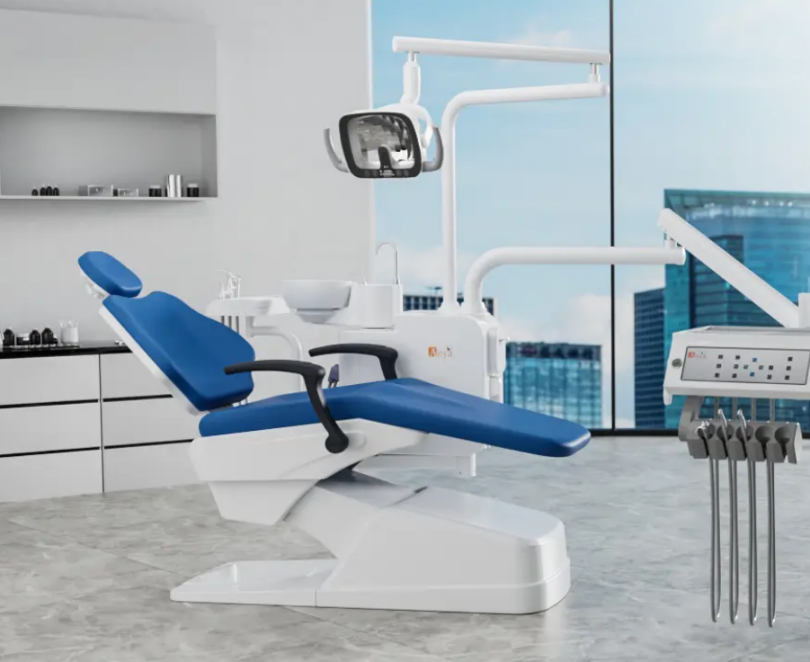
Blue dental chair unit in a clinic operatory

Dental chair problems can interrupt a clinic day, but not every symptom should be treated as a do-it-yourself repair. This guide explains the safe observations a clinic team can make before requesting service. For cleaning products, maintenance intervals, fluid systems, electrical work, parts, and adjustment procedures, always follow the manual and service instructions for the exact chair model in use.

Stop using the chair and arrange qualified service when there is uncontrolled movement, visible fluid leakage, a burning smell, exposed wiring, repeated power loss, or a problem that could affect patient safety or infection-control procedures.

Dental Chair Systems to Review Before Calling for Service

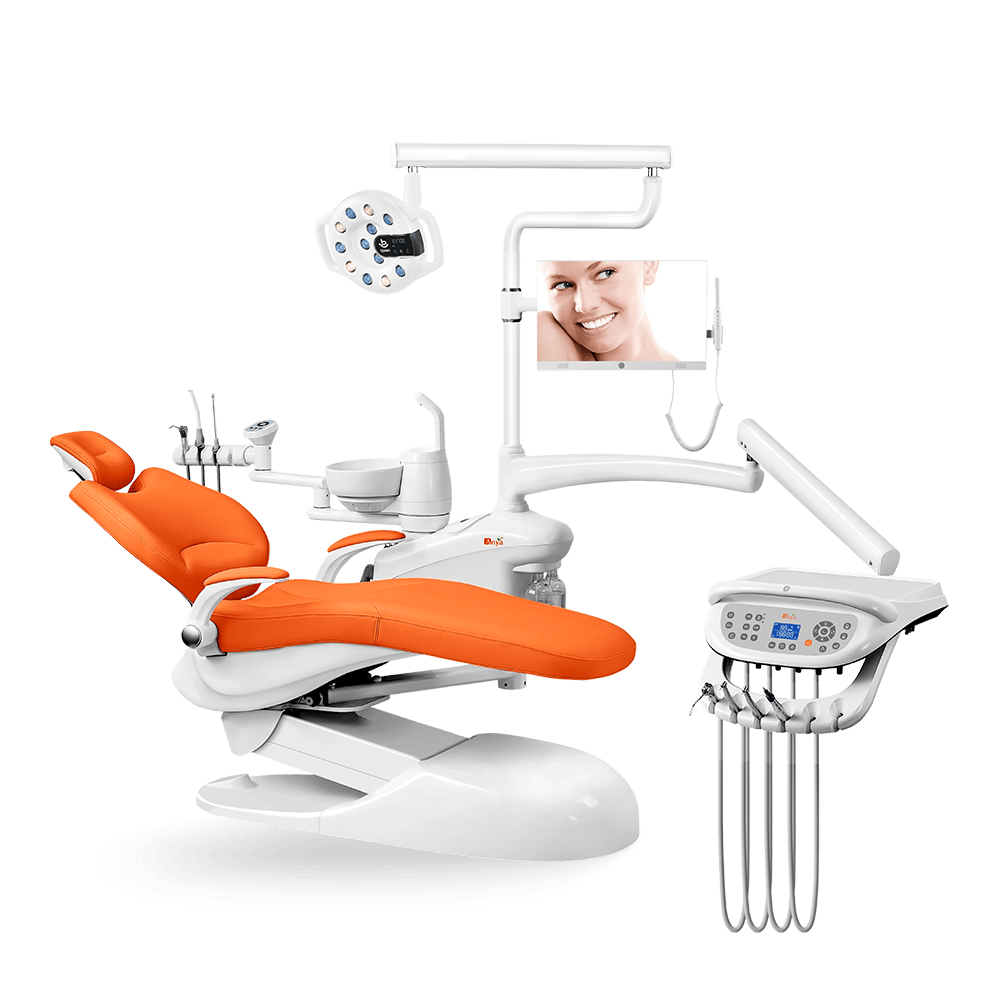
Dental chair components used for a maintenance review

A dental chair combines patient positioning, controls, water and air delivery, suction, lighting, and patient-contact surfaces. A symptom in one area can affect another, so a useful service request records when the issue began, which control was used, whether the chair was occupied, and any visible warning or abnormal sound.

  • Chair movement: note whether the chair, backrest, headrest, or delivery arm moves inconsistently, stops, or makes an unusual noise.
  • Controls: record whether the foot control, keypad, emergency stop, or display responds as expected. Do not open control housings or reset internal electronics.
  • Water, air, and suction: identify whether the concern is loss of flow, an external blockage, a visible leak, unusual odour, or an issue confined to one handpiece or line.
  • Surfaces and upholstery: check for tears, damaged seams, loose covers, or surfaces that can no longer be cleaned according to the applicable instructions.

Five Common Dental Chair Problems and Safe First Checks

1. The chair does not move or stops unexpectedly

Confirm that the clinic power supply is available, the emergency stop is released, and the intended foot control or keypad command is being used. Record any display message, intermittent response, visible leak, or unusual sound. Do not add hydraulic fluid, bleed lines, test lift capacity, or remove covers unless the model manual assigns that work to trained service personnel.

2. The foot control or control panel is not responding

Check the external control for obvious damage, confirm the emergency stop condition, and note whether the issue affects every function or only one movement. If the chair loses power repeatedly, smells hot or burnt, or shows an electrical fault, stop using it. Electrical measurements, internal board work, firmware changes, and service-menu resets should be handled through the manufacturer-approved service process.

3. Suction performance has dropped

Use the chair and suction-unit instructions to check any user-serviceable filter, collection container, or visible external obstruction. Document whether reduced suction affects one line or the full system. Do not assume a universal flushing chemical, concentration, filter interval, flow target, or replacement part: these depend on the selected equipment, local plumbing, and the product instructions for use.

4. Water or air delivery is inconsistent

Record whether there is no flow, intermittent flow, an unusual odour or colour, visible moisture outside the intended path, or a concern limited to one instrument. Follow the model-specific waterline, air-line, and infection-control instructions. Do not use a disinfectant, descaler, or sterilizer procedure unless the chair manual and product label explicitly allow that method and contact time.

5. Upholstery or patient-contact surfaces are damaged

Clean surfaces only with products and contact times approved for the installed material. A tear, open seam, or damaged surface that cannot be cleaned effectively should be assessed for repair or replacement. Avoid unapproved adhesive, coating, conditioner, or alcohol guidance because compatibility, cleaning performance, and warranty terms vary by material and model.

Dental chair positioned for a clinic equipment inspection

Preventive Maintenance That Starts with the Model Manual

Preventive care reduces uncertainty when it is based on the documentation supplied for the installed chair, delivery system, suction equipment, and waterline components. Clinic teams should keep the applicable manuals, warranty information, service contacts, and maintenance records with the equipment file.

WhenClinic team responsibilityService or documentation check
After patient useFollow the approved surface-cleaning and line-maintenance procedure for the installed equipment.Keep the product instructions and local infection-control process available at the operatory.
Daily operationCheck for visible damage, leaks, unusual noise, loose external controls, or changes in normal function.Record the symptom, chair model, and operating condition before service is requested.
Scheduled maintenanceUse only the interval and consumables named in the model manual.Confirm the supplier’s service scope, parts availability, and warranty conditions.
Qualified serviceRemove the chair from routine use when a fault affects safe operation.Leave electrical, hydraulic, internal fluid-path, calibration, and firmware work to qualified personnel.

When to Stop Using the Chair and Request Service

Dental chair maintenance planning for clinic equipment

Request qualified repair promptly when the chair moves unpredictably, a fluid system leaks, an electrical component smells burnt, a protective function does not work, wiring is damaged, waterline hygiene cannot be maintained, or suction remains inadequate after the user-serviceable checks in the relevant manual. Do not rely on a generic pressure, temperature, flow, or time threshold to decide whether to continue treatment.

Prepare a Useful Service Request

  • Record the chair model, serial number, installed configuration, and approximate installation date.
  • Describe the symptom, when it occurs, the affected function, and any visible message, leak, noise, or odour.
  • Keep photos of visible external damage and the maintenance log, but do not dismantle equipment to obtain them.
  • Ask the supplier to confirm the service scope, replacement parts, documentation, warranty treatment, and estimated downtime for the exact model.

Repair or Replacement: Questions for a Clinic Review

A repair-or-replacement decision should be based on the documented fault, parts availability, service history, safety requirements, support coverage, and clinic-specific cost of downtime. Ask for a written scope of work and compare it with the current model documentation and warranty position. A universal repair percentage, trade-in amount, or payback calculation cannot replace this model-specific review.

Preguntas frecuentes

What should I check before calling a dental chair repair technician?

Before calling a technician, check whether the chair has power, whether the foot control or control panel responds, whether suction and water lines are blocked, and whether any hydraulic leak, unusual noise, or error signal is visible.

Why is my dental chair not moving up and down?

A dental chair that will not move may have a power supply issue, faulty foot control, control board problem, hydraulic leak, motor fault, or safety lock condition. If basic power and control checks do not resolve it, stop using the chair and request professional service.

When should a clinic stop troubleshooting and request dental chair repair?

Request professional dental chair repair when there is electrical failure, fluid leakage, burning smell, repeated movement failure, weak suction that cleaning does not fix, waterline failure, or any issue that affects patient safety.

Conclusión

Good maintenance starts with a reliable record, the right model manual, approved cleaning methods, and clear escalation to qualified service. For help comparing a current dental chair configuration, service documentation, and support scope, contact Anya Medical with the model and clinic requirements.

Deja una respuesta

Tu dirección de correo electrónico no será publicada. Los campos obligatorios están marcados con *

es_ESSpanish
Contacto

Rellene el siguiente formulario y un representante se pondrá en contacto con usted lo antes posible.

Nombre(Obligatorio)
Díganos qué le preocupa. ¿Tienes alguna pregunta? Pregúntanos.
Contacto

Rellene el siguiente formulario y un representante se pondrá en contacto con usted lo antes posible.

Nombre(Obligatorio)
Díganos qué le preocupa. ¿Tienes alguna pregunta? Pregúntanos.