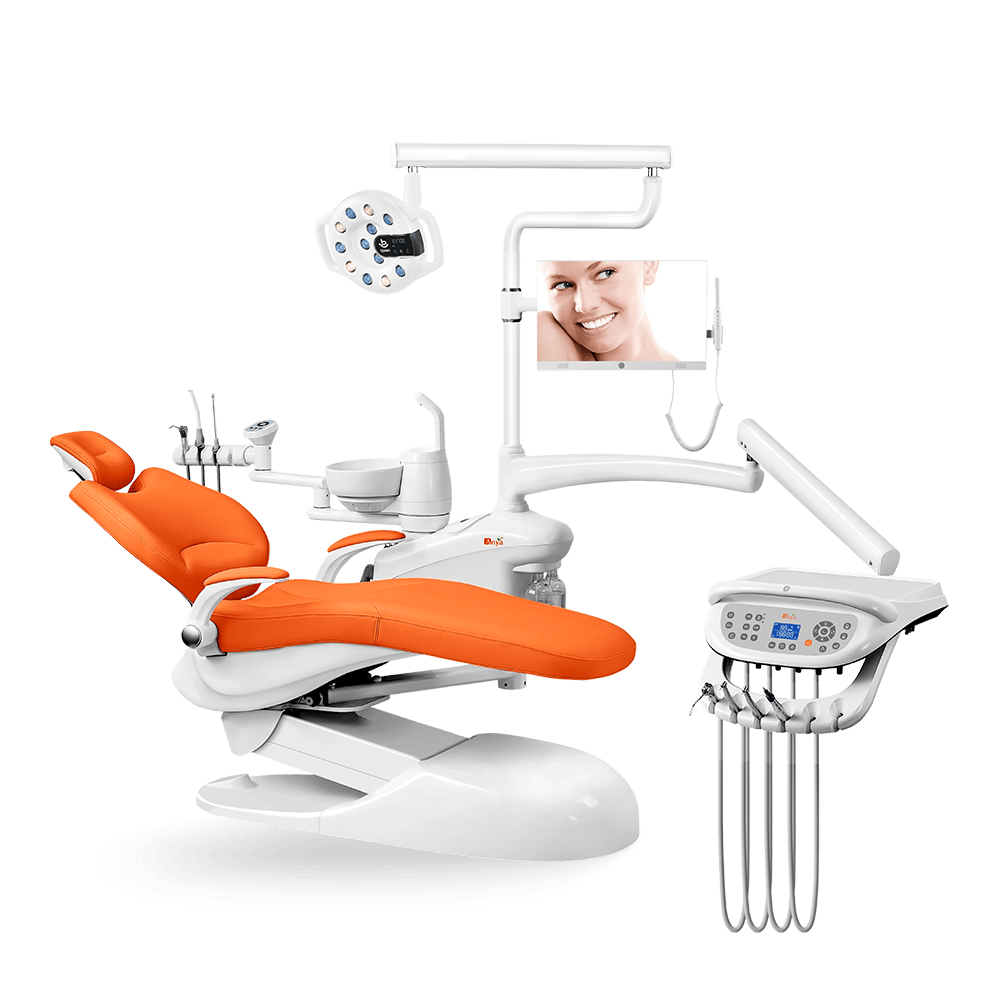


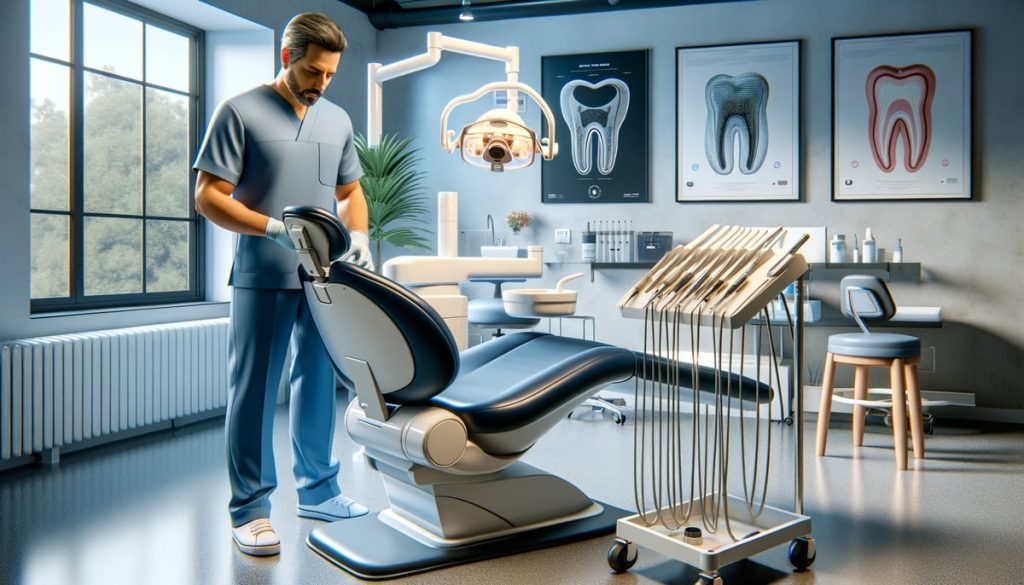
Dental chair reliability is an important part of patient safety, infection control, staff workflow, and clinic scheduling. A practical maintenance plan should focus on inspection routines, suction performance, upholstery condition, waterline care, hydraulic movement, and clear service records.
Anya Medical recommends proactive maintenance because planned checks can reduce avoidable downtime, help teams document equipment condition, and make repair-or-replacement decisions easier. The guidance below focuses on practical checks that clinics can adapt to their chair model, usage level, and local service requirements.
1. Optimización del sistema de aspiración: Lucha contra los atascos y la pérdida de presión
El alto coste de descuidar el mantenimiento de la aspiración
Dental suction systems are essential for clinical workflow, yet performance can decline when filters, valves, hoses, and collection components are not checked regularly. Clinics should follow the chair manufacturer’s maintenance schedule and document pressure checks, filter cleaning, and line flushing in a consistent service log.
Common Suction Failure Points
- O-rings and seals: check for swelling, cracks, or chemical damage
- Filters: clean or replace them according to the service schedule
- Motor wear: watch for unusual sound, heat, vibration, or reduced airflow
Suction Maintenance Routine
Suction performance depends on consistent cleaning, filter care, line flushing, and early attention to reduced vacuum pressure or unusual sound.
Routine Checks
- A diario: flush lines according to the disinfectant and chair instructions
- Semanal: inspect filters, traps, tubing, and connectors for buildup or wear
- Mensual: review service notes and recurring pressure-loss symptoms
- Escalate: call service support for persistent low suction, leaks, heat, or motor noise
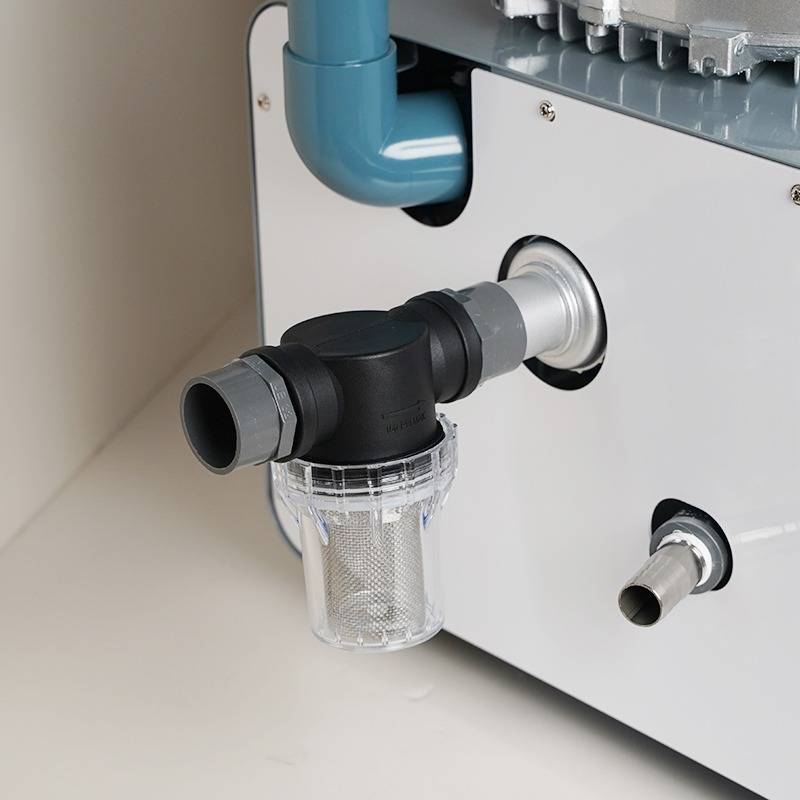
Selecting Suction Equipment for Easier Maintenance
When reviewing suction equipment, compare filter access, line-cleaning steps, noise, service documentation, spare-part availability, and whether staff can complete routine care without interrupting appointments.
- Cleaning access: confirm how filters, traps, and collection parts are removed
- Service indicators: check whether the model provides useful alerts or simple troubleshooting guidance
- Support: verify technician coverage, replacement parts, and warranty terms before purchase
2. Gestión de fluidos hidráulicos: Prevención de los costosos fallos de los componentes
Los riesgos ocultos de los fluidos contaminados
Hydraulic Movement and Fluid Checks
Hydraulic chair issues often appear as slow lifting, drifting, unusual noise, visible leakage, or inconsistent recline movement. Clinics should record these symptoms early and schedule service before chair movement becomes unreliable.
What Staff Can Observe
- Leaks: inspect under the chair and around cylinders for visible fluid
- Movement: note slow lift, uneven recline, jerks, drift, or delayed response
- Noise and heat: record unusual pump sound, vibration, or overheating
- Service history: check whether the same component has been repaired repeatedly
When to Call a Technician
Hydraulic fluid replacement, seal work, pump repair, valve replacement, and pressure testing should follow the model manual and be handled by qualified service support.
Silla AY-A3000 de Anya: Redefinición de la fiabilidad hidráulica
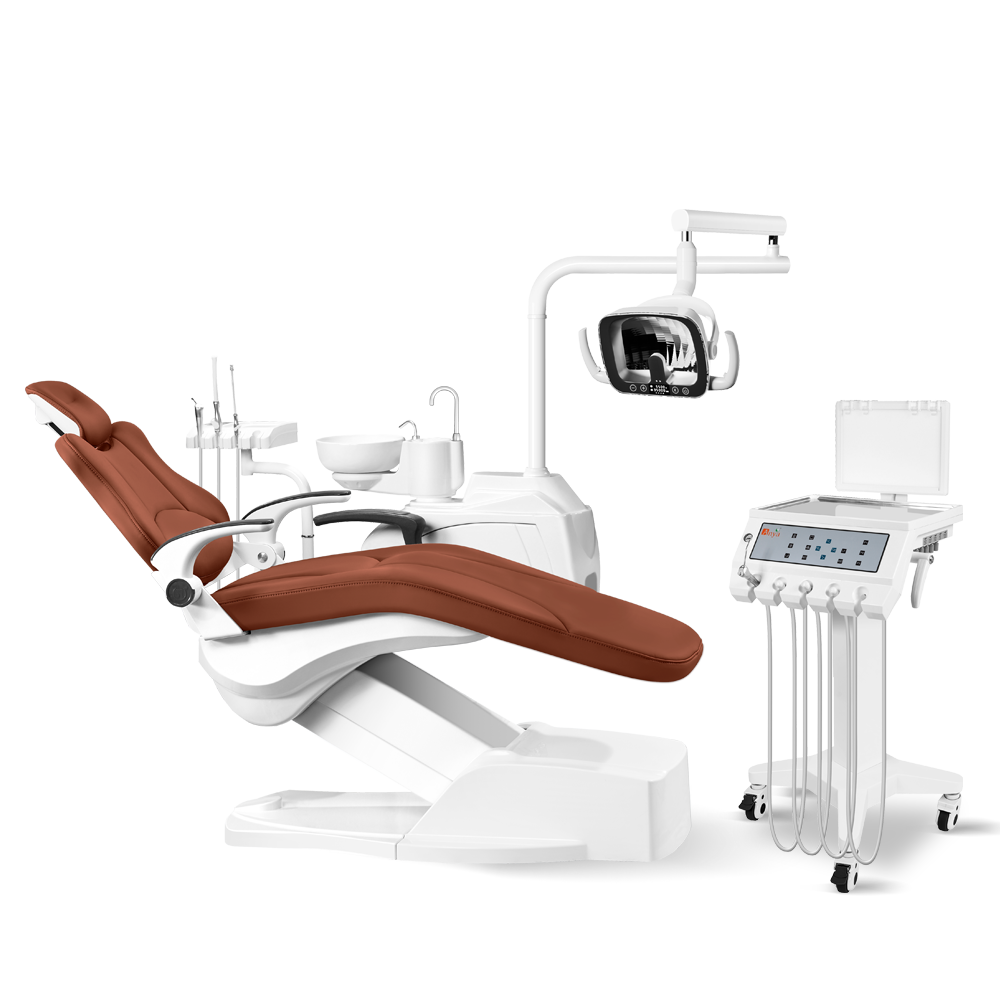
El modelo AY-A3000 cuenta con juntas de calidad militar probadas para 500.000 ciclos de movimiento, el triple de la media del sector. Su diseño modular permite sustituir los componentes hidráulicos en menos de 20 minutos, lo que supone una mejora de 63% con respecto a los sistemas tradicionales. Las clínicas que utilizan este sillón informan de una reducción de 59% en los costes anuales de reparación hidráulica, como valida la Encuesta de Costes de Economía Dental 2024.
Electrical Safety Checks and Service Escalation
Electrical symptoms should be handled conservatively. Staff can record faults, unplug equipment when instructed by the manual, and call qualified service support for testing or repairs.
Common Electrical Symptoms
| Síntoma | Possible area to inspect | Recommended action |
|---|---|---|
| Potencia intermitente | Power supply, switch, cord, or control connection | Stop using the chair if safety is uncertain and request technician inspection |
| Foot control issue | Pedal, cable, switch, or control board | Record the condition and verify whether the part is user-serviceable |
| Movimiento errático | Control module, wiring, motor, or hydraulic interface | Schedule qualified service before the issue affects treatment |
Documentation to Keep
Keep service dates, fault descriptions, technician notes, replaced parts, warranty correspondence, and any required safety-test records in one maintenance log.
4. Longevidad de la tapicería: Equilibrio entre durabilidad y esterilización
La ciencia de los materiales se une al control de infecciones
Upholstery Wear and Cleaning Checks
Upholstery condition affects patient comfort, cleanability, and the appearance of the treatment room. Evaluate chair surfaces by material compatibility, visible wear, seam condition, and replacement availability.
Material Review Points
| Area | What to check | Action |
|---|---|---|
| Surface finish | Cracks, peeling, discoloration, or tacky areas | Replace damaged upholstery when cleaning is no longer reliable |
| Cleaning compatibility | Approved disinfectants and contact time | Use the chair or upholstery supplier’s instructions |
| Seams and edges | Open seams, exposed foam, or fluid traps | Escalate structural wear to service |
Cleaning Routine
Use approved products, avoid harsh abrasives unless the material allows them, and document repeated damage so purchasing teams can compare upholstery options during future chair replacement.
Waterline Biofilm Control: Practical Checks
Dental unit waterlines need a documented cleaning and flushing routine because biofilm can build up when chairs sit idle or treatment products are not used correctly.
Daily and Weekly Checks
- Flush lines: follow the chair manual and water-treatment product instructions
- Check bottles and tubing: look for discoloration, odor, residue, or loose fittings
- Document treatment: record date, product, contact time, and staff initials
- Schedule service: escalate recurring odor, low flow, or suspected contamination to a technician
Waterline Review Questions
| Question | Why it matters |
|---|---|
| Which disinfectants are compatible with the chair? | Avoids material damage and warranty problems |
| How are idle periods handled? | Supports predictable startup routines |
| What records are required? | Helps the clinic prove that routines were followed |
Comparing Waterline-Control Methods
| Método | What to review | Decision point |
|---|---|---|
| Manual flushing | Staff time, consistency, and documentation | Works only when the protocol is followed and recorded |
| Scheduled treatment | Chemical compatibility and contact time | Confirm with the chair and treatment-product instructions |
| Automated functions | What the system actually monitors or cleans | Request model-specific documentation before relying on the feature |
Do not assume any waterline method replaces local infection-control requirements. Keep logs and verify procedures with the supplier, technician, or local advisor when needed.
Financial Planning: Tracking Maintenance Costs
Maintenance cost planning should use the clinic’s own service invoices, chair age, chair count, labor rates, downtime records, and replacement-parts history.
Variables That Affect Budget
- Chair age and usage: older or high-use chairs may need more frequent inspection
- Local service access: technician travel, response time, and parts availability can affect total cost
- Procedure mix: surgical, pediatric, and hygiene rooms may stress different chair components
- Documentation: clear logs make recurring faults easier to diagnose
Replacement Planning
When repair frequency rises, compare the cost of continued service with a planned chair replacement, warranty coverage, and the operational value of newer controls or easier cleanability.
Preguntas frecuentes
How often should dental chairs be professionally serviced?
Follow the chair manual and local service requirements. Many clinics review chair condition at least annually, with more frequent checks for high-use rooms, implant rooms, or chairs showing repeated faults.
Which fixes can clinic staff handle?
Staff can usually document symptoms, clean surfaces, flush lines, check visible wear, and replace user-serviceable filters when the manual allows it. Electrical, hydraulic, structural, or warranty-sensitive repairs should be handled by qualified technicians.
How should clinics compare maintenance plans?
Compare response time, covered parts, exclusions, emergency support, technician availability, chair count, and the clinic’s repair history. Avoid using generic savings percentages as the main decision factor.
Conclusion: Build a Practical Maintenance Routine
Dental chair fixes work best when clinics combine staff observations, documented cleaning routines, technician support, and timely replacement planning. Keep the maintenance plan specific to the chair model, local rules, disinfectants, and actual clinic workload.
For purchasing or service planning, review model manuals, warranty terms, spare-parts availability, and the supplier’s service process before committing to a chair fleet.