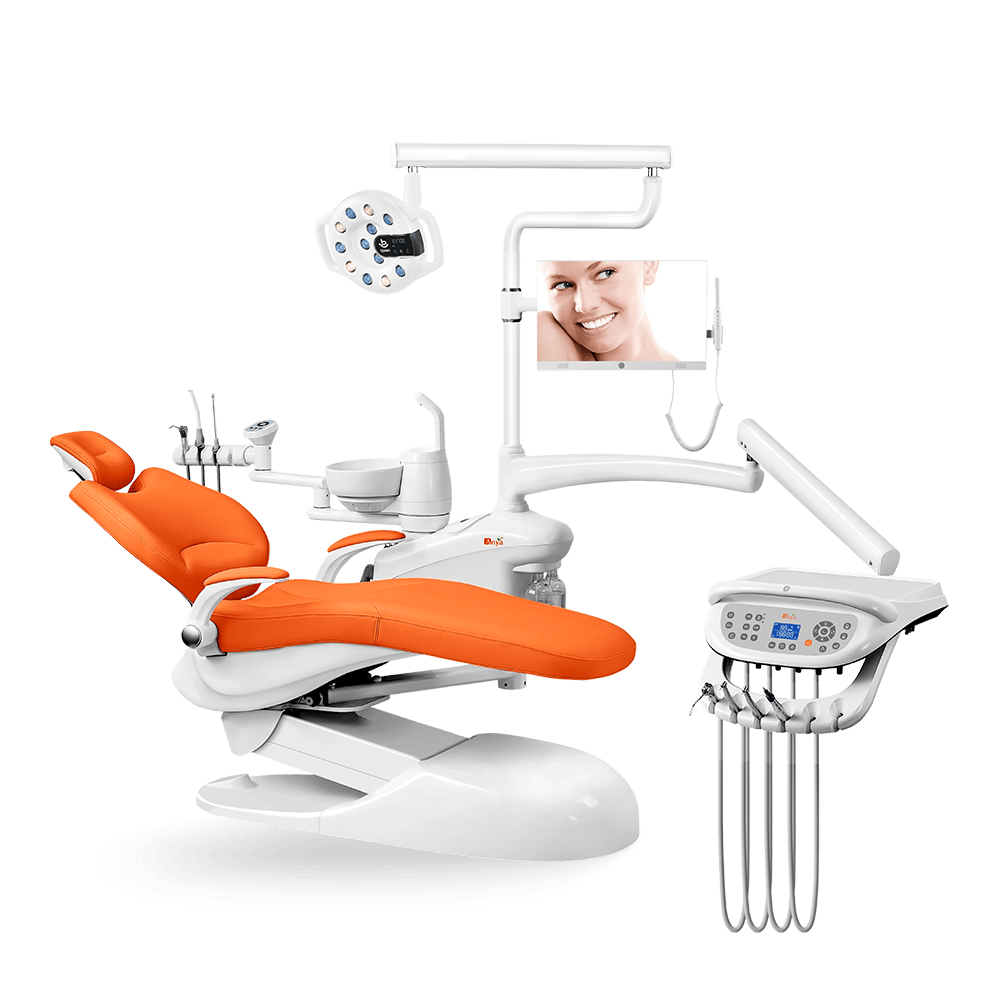
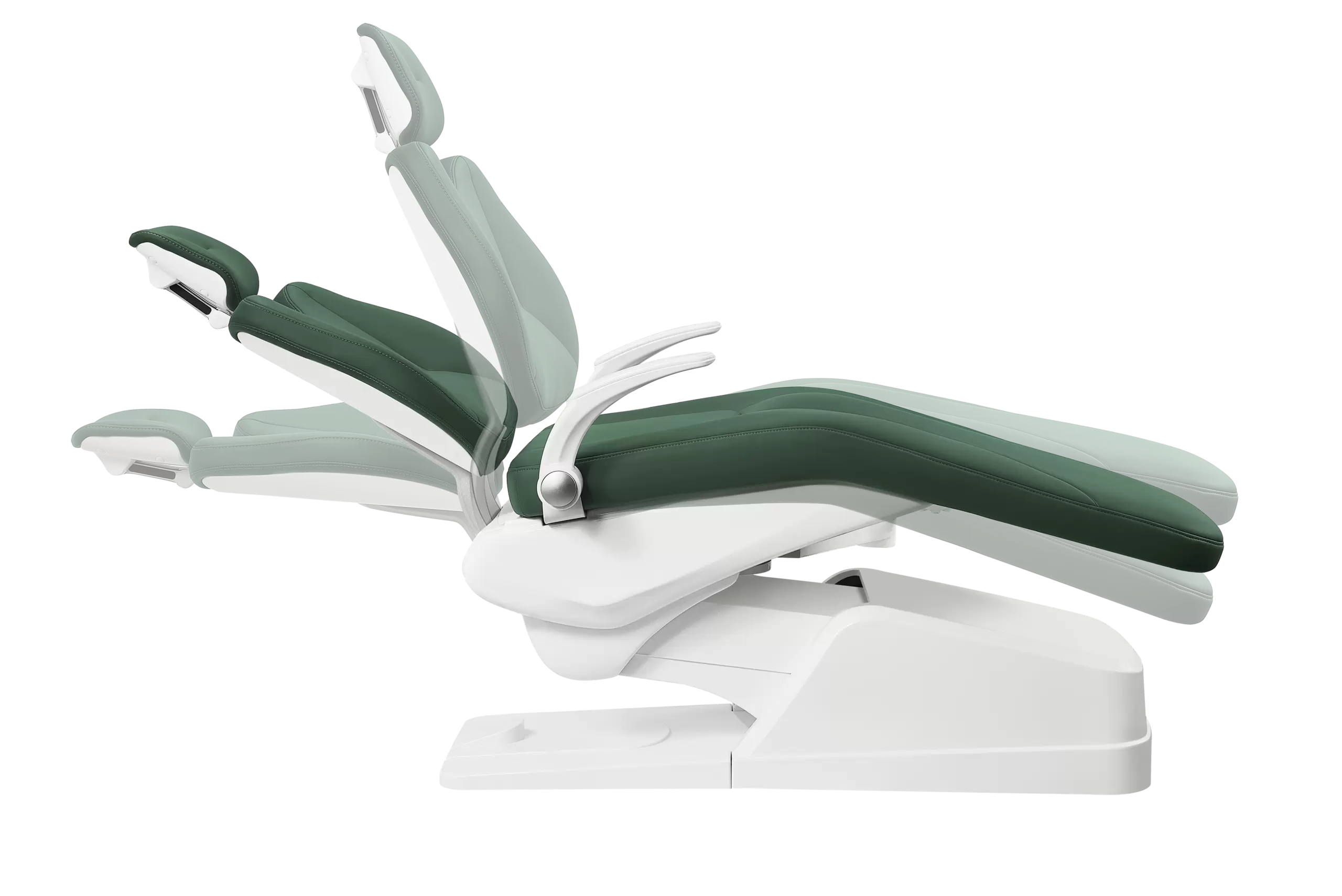
Buyers asking about a dental chair stability test usually want a simple answer: does the chair stay balanced, move smoothly, and remain steady when patients and clinicians use it day after day? The short answer is that manufacturers should be able to show how they check frame stability, lift and tilt movement, joint fit, base behavior, noise, and the quality of the motion system before shipment. Buyers should not rely on a general promise that the chair is “strong” or “stable”; they should ask for visible evidence, test records, and model-specific explanations.
This matters most for distributors, dealers, and clinic groups comparing suppliers before a dental chair trial order. A chair can look fine in photos but still feel shaky, noisy, or uneven in use. That is why stability testing belongs alongside the broader dental chair quality control testsEl factory audit checklist, and the product review process for the dental chair unit category.

What A Stability Test Should Prove
A useful dental chair stability test should answer practical buyer questions. Does the chair rise and lower without jerking? Does it hold position evenly? Does the base stay planted during motion? Do moving joints feel consistent? Does the structure remain quiet enough for a clinic environment? These are the checks that tell a buyer whether the chair is suitable for real use, not only for display.
The test does not need to reveal a factory’s private methods in detail. But the manufacturer should be able to explain what is checked, what is recorded, and what happens if a unit does not move as expected. Buyers should ask for model-specific proof, not vague assurances.
What Manufacturers Usually Check
Most manufacturers evaluate the chair as a moving structure, not as a single static object. They look at the base, frame, actuator or drive system, joints, backrest movement, seat movement, arm support behavior, and the way the unit settles after position changes. In practice, the buyer is trying to confirm that the chair is stable during the full operating range, not just in one fixed position.
| Test area | What it checks | What buyers should ask for |
|---|---|---|
| Base stability | Whether the chair remains planted while moving through normal positions. | Photos or video of the chair moving on level floor with no visible rocking. |
| Frame movement | How the linkage and support structure behave during lifting and lowering. | A short video showing the full motion path and the frame in motion. |
| Joint fit | Whether connected parts feel loose, uneven, or inconsistent during movement. | An explanation of how joint play or fit is checked before shipment. |
| Position holding | Whether the chair stays where it is set without drifting or settling oddly. | Test notes showing the chair was kept in several positions and observed. |
| Noise and vibration | Whether the motion system produces distracting sound or vibration. | A description of the normal sound level and what is considered abnormal. |
Movement Testing Is Not Just A Load Question
Buyers sometimes ask only about load rating, but that is not enough to evaluate motion quality. A chair can be technically capable of carrying weight and still feel unstable, uneven, or loud. For procurement teams, the better question is how the motion system behaves under normal operating conditions and whether the structure feels controlled throughout the full range of movement.
That is why buyers should ask suppliers to separate structural stability, motion smoothness, and serviceability. A chair that moves smoothly on the line should also be easy to explain during installation and after-sales support. If a supplier cannot explain how movement is verified, the buyer may have trouble later when a clinic reports noise, drift, or uneven motion.
What “smooth” should mean to a buyer
Smooth movement means the chair changes position without obvious jolts, delay, or uneven travel. It also means the movement feels repeatable from one unit to the next. Buyers do not need a laboratory lecture; they need enough evidence to know whether the chair will feel professional in a clinic and whether a technician can notice when a unit is outside the normal range.

What Buyers Should Ask The Manufacturer To Show
Do not stop at “the chair is tested.” Ask the manufacturer to show the exact model, the test setup, and the observed result. If the supplier is comfortable with the product, it should be able to show a live video, a recorded clip, or at least clear process photos that match the model being offered. This is especially useful during a factory audit or when comparing several offers side by side.
- The actual chair model or an identical production unit.
- Movement through the main positions used in a clinic.
- The base and frame from a side view and front view.
- Any visible checks for looseness, uneven motion, or abnormal sound.
- The final inspection record or internal checklist for the sample.
- The answer to what happens if movement is not acceptable.
If the supplier only shows a polished showroom unit, ask for production evidence instead. A showroom image can help identify the model, but it does not replace a movement test. For that reason, buyers should pair visual review with the relevant process evidence and the broader supplier questions in the quality control guide.
Buyer Evidence Checklist
The table below helps buyers separate useful evidence from generic sales talk. Use it when you review a quotation, a sample video, or a factory walkthrough.
| Evidence | What it tells you | Buyer follow-up |
|---|---|---|
| Live movement video | Whether the chair moves evenly and without visible instability. | Ask whether the video shows the exact production model. |
| Final inspection note | Whether movement, noise, and position holding were reviewed before packing. | Ask what is considered a fail and who signs off the unit. |
| Factory walkthrough | Whether the supplier can point to the real test area and process. | Ask to see how stability is checked on more than one unit. |
| Issue response | Whether the supplier can explain correction steps if movement is abnormal. | Ask for the service path and replacement-part process in writing. |
| Model reference page | Whether the tested chair matches the product offered to buyers. | Cross-check against the product listing and configuration sheet. |
How Stability Testing Fits Into Procurement
For importers and dealers, stability testing is part of supplier due diligence. It helps confirm whether the manufacturer understands clinic use, packaging behavior, and the kind of movement complaints that create service work later. That is why this topic sits naturally next to the trial order guide and the factory audit process rather than being treated as an isolated technical detail.
In a buying decision, a chair that feels solid and predictable is easier to sell, install, and support. A chair with uncertain motion may create extra installation calls, customer complaints, and after-sales questions. The goal is not to demand perfect language from the supplier. The goal is to get enough proof to know whether the chair behaves like a reliable clinic product.

What A Buyer Should Reject
Buyers should be cautious when the supplier gives only broad claims such as “very stable,” “very quiet,” or “tested many times” without showing the actual model or the test method. Be careful if the supplier avoids questions about video evidence, will not explain what is checked, or gives different answers for the same model. Those signs do not prove a bad chair, but they do make the purchasing risk harder to judge.
If a manufacturer cannot discuss movement, balance, or noise in a clear model-specific way, the buyer should slow down and request more evidence. For higher-risk purchases, that can mean a sample review, a formal factory audit, or a trial order before larger volume.
PREGUNTAS FRECUENTES
What is a dental chair stability test?
It is a check that looks at how the chair behaves as a structure during movement, positioning, and use. The buyer wants to know whether the chair stays balanced, moves smoothly, and avoids obvious rocking, drift, or abnormal noise.
Is load testing the same as stability testing?
No. Load testing is only one part of the picture. Stability testing also includes movement quality, frame behavior, joint fit, sound, and whether the chair holds position in a controlled way.
What should manufacturers show buyers?
They should show the actual model, a movement video or equivalent process evidence, the final inspection record if available, and a clear explanation of how they handle abnormal movement or noise.
Why does noise matter in a dental chair?
Noise can be a sign of poor fit, uneven motion, or a motion system that needs adjustment. It also affects how professional the chair feels in a clinic setting.
Can buyers ask for a factory video instead of a test report?
Yes. A clear factory video is often useful, especially when it shows the exact model and the movement under review. A report, video, or inspection note can all help if they are specific and model-matched.
Should this test be part of a trial order?
Yes. A trial order is a practical way to confirm whether the chair feels stable in real handling and whether the supplier can support the model after delivery.
Need help reviewing a dental chair stability test for your next order? Contact Anya Medical through the contact page to discuss model details, movement evidence, and buyer questions before you buy.