

A cast aluminum base dental chair and a steel base dental chair should not be compared by material name alone. Buyers need to inspect the real base structure, surface finish, mounting points, stability, service access, packaging protection, and supplier documentation. Cast aluminum and steel can both work well when the design and finish are appropriate, and both can disappoint if buyers only look at catalog photos.
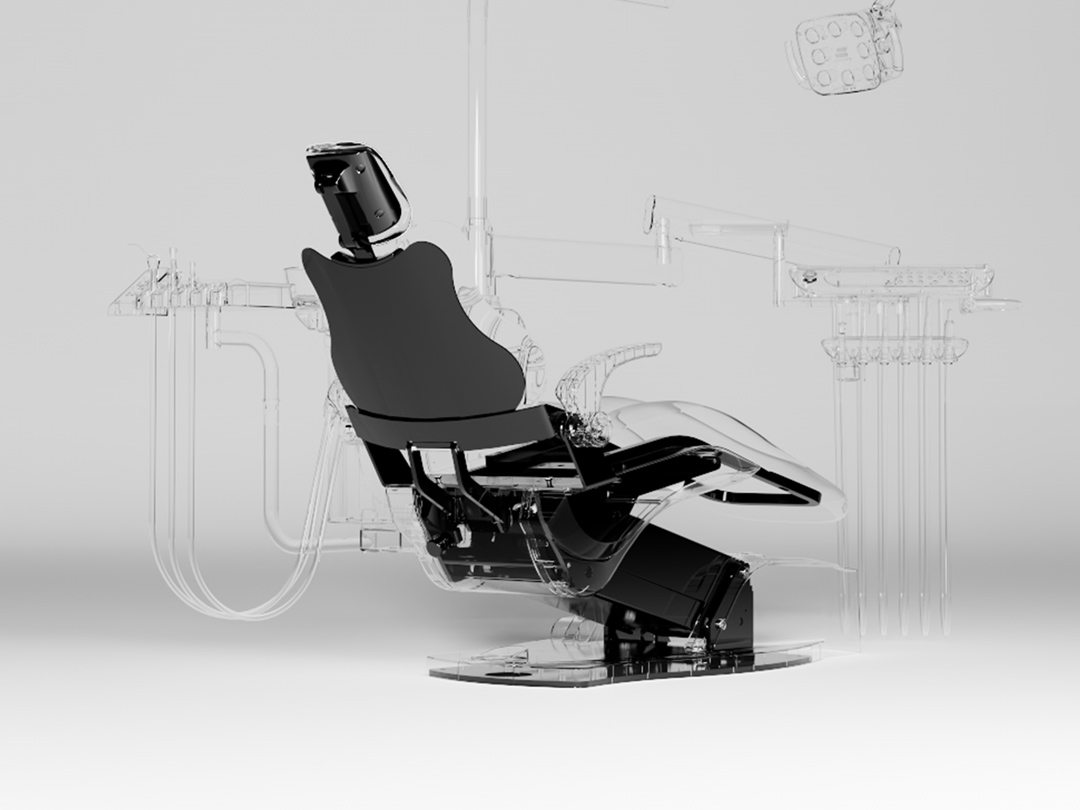
This article is for clinic owners, dealers, and equipment buyers comparing base construction as part of a dental chair purchase. It builds on the guía de materiales para unidades dentales, dental chair stability testy pruebas de control de calidad de unidades dentales. Buyers can also review Anyamedical unidades dentales before asking for model-specific base information.
Why the Dental Chair Base Matters
The chair base supports patient positioning, operator access, cleaning workflow, installation, and long-term service. It is part of the complete structure, not a decorative piece buyers should ignore. A good base design should be reviewed with the lift system, frame, upholstery support, delivery system, and controls.
Base material is only one part of the decision. Buyers should ask whether the visible base is structural, a cover, or part of a combined base assembly. They should also ask for close-up photos or documentation when material claims affect the purchase decision.
For dealers, this distinction is important because a buyer may ask a simple material question while actually worrying about stability, cleaning, or long-term service. A good answer should connect material to construction evidence, not just repeat a label from a catalog.
Cast Aluminum Base Dental Chair: What Buyers Should Know
A cast aluminum base dental chair may be attractive to buyers who want a smooth exterior form, clean appearance, and fewer visible seams. But buyers should not assume performance from the material name alone. Casting quality, thickness, surface finish, mounting design, and connection to the lift structure all matter.
Ask whether the base is truly cast aluminum or whether a visible cover is aluminum while other parts carry the main load. Ask what surface finish is used and how the base should be cleaned. If replacement covers or related service parts may be needed, confirm availability before ordering.
Also ask how the base is connected to the lift column and floor-contact structure. The visible surface may look smooth, but the connection points decide how the chair base works with the rest of the chair. A buyer should inspect the base as part of a complete system.
Steel Base Dental Chair: What Buyers Should Know
Steel bases are often discussed in terms of strength, but strength depends on design, thickness, weld quality, coating, mounting layout, and how the base connects to the chair structure. A steel base with poor finish or exposed vulnerable areas can create problems, while a well-designed steel base can be practical for many buyers.
Ask whether the steel is painted, powder-coated, plated, or otherwise finished. Inspect welds, edges, mounting points, and hidden areas that may be exposed to moisture or cleaning procedures. Service access around the base should be part of the review.
Steel construction can vary widely. Buyers should not treat every steel base as the same category. Ask for close-up images, surface finish information, and details about how the base area is protected during packing and installation.
Cast Aluminum vs Steel Base Dental Chair Comparison
| Factor | Cast aluminum base dental chair | Steel base dental chair |
|---|---|---|
| Buyer focus | Smooth form, finish quality, integrated structure. | Structural build, welds, coating, mounting design. |
| Durability depends on | Casting quality, thickness, finish, and mounting design. | Steel grade, thickness, weld quality, coating, and design. |
| Cleaning review | Check surface smoothness, edges, and finish instructions. | Check seams, coating, hidden areas, and edge finish. |
| Stability review | Depends on base geometry and chair engineering. | Depends on weight distribution, structure, and installation. |
| Service access | Inspect panels, covers, and mounting points. | Inspect access around bolts, welds, and covered areas. |
| Best buyer question | Can you verify the base material and show the underside? | How is the steel finished and protected? |
How to Inspect a Dental Chair Base Before Purchase
Start with stability. Ask how the chair behaves during normal positioning and whether the base sits flat and stable on the floor. If a sample unit is available, observe movement and positioning rather than judging the base from a single photo.

Next, review the surface. Look for chips, rough edges, uneven coating, exposed seams, sharp corners, and hard-to-clean areas. Ask how the base should be cleaned and what chemicals should be avoided according to the supplier’s instructions.
Finally, consider service and shipping. Ask how the base is protected during transport, whether replacement covers or hardware are available, and how technicians access the base area after installation.
Which Base Type Is Better?
There is no universal answer. A cast aluminum base may fit buyers who prioritize smooth exterior form and appearance, while a steel base may fit buyers who value a familiar structural approach and a specific design. In both cases, construction, finish, stability, service access, and supplier support matter more than the material label.
Dealers should compare repeatable production quality, packaging protection, spare parts support, and the supplier’s ability to explain the real base structure. Clinics should compare cleaning workflow, patient confidence, installation needs, and service access.
Dealer and Clinic Perspectives
Clinics usually care about how the base feels in daily use: whether the chair sits confidently, whether surfaces are easy to clean according to supplier instructions, and whether the base area interferes with patient entry or stool movement. Dealers often care about repeat consistency, packaging protection, replacement parts, and whether the supplier can explain construction details clearly.
Both perspectives matter. A base that looks good but is hard to document may create sales and service questions. A base that is structurally sensible but poorly finished may create cleaning and appearance concerns. The purchase decision should consider both the user experience and the support chain.
Lista de verificación del comprador
- Confirm whether the base is cast aluminum, steel, or a covered assembly.
- Ask for photos of the underside, mounting points, and base-to-lift connection.
- Check surface finish, seams, edges, and hard-to-clean areas.
- Ask how the base should be cleaned and maintained.
- Review stability during chair movement and patient positioning.
- Confirm service access around panels, bolts, covers, and mounting hardware.
- Ask how the base is protected during shipping.
- Compare base design with frame, lift system, upholstery, controls, and delivery style.
Common Mistakes
One mistake is assuming cast aluminum is always better than steel. Another is assuming steel is always stronger without checking design, thickness, welds, finish, and installation. Buyers also confuse decorative covers with the load-bearing structure.
A second mistake is ignoring cleaning and moisture exposure. Dental chair bases sit near daily cleaning routines, foot traffic, hoses, and service work. Surface finish and access are practical concerns, not cosmetic details.
PREGUNTAS FRECUENTES
Is a cast aluminum base dental chair better than a steel base dental chair?
Not automatically. The better choice depends on full chair design, base geometry, finish quality, installation, and service support.
Does a cast aluminum base prevent corrosion?
Do not assume that without product data. Buyers should ask about exact material, surface finish, and cleaning instructions.
Is a steel base dental chair stronger?
Steel can be strong, but strength depends on design, thickness, weld quality, coating, and how the base connects to the chair structure.
How can I confirm the real base material?
Ask for product documentation, close-up photos, underside images, and clarification on whether the visible base is structural or a cover.
Should base material be the main buying factor?
No. It should be reviewed with stability, lift system, frame, control layout, delivery system, installation needs, and support.
Comparing dental chair base options? Contacte a Anya Medical a través de la página de contacto with your target chair model, base questions, and inspection priorities.