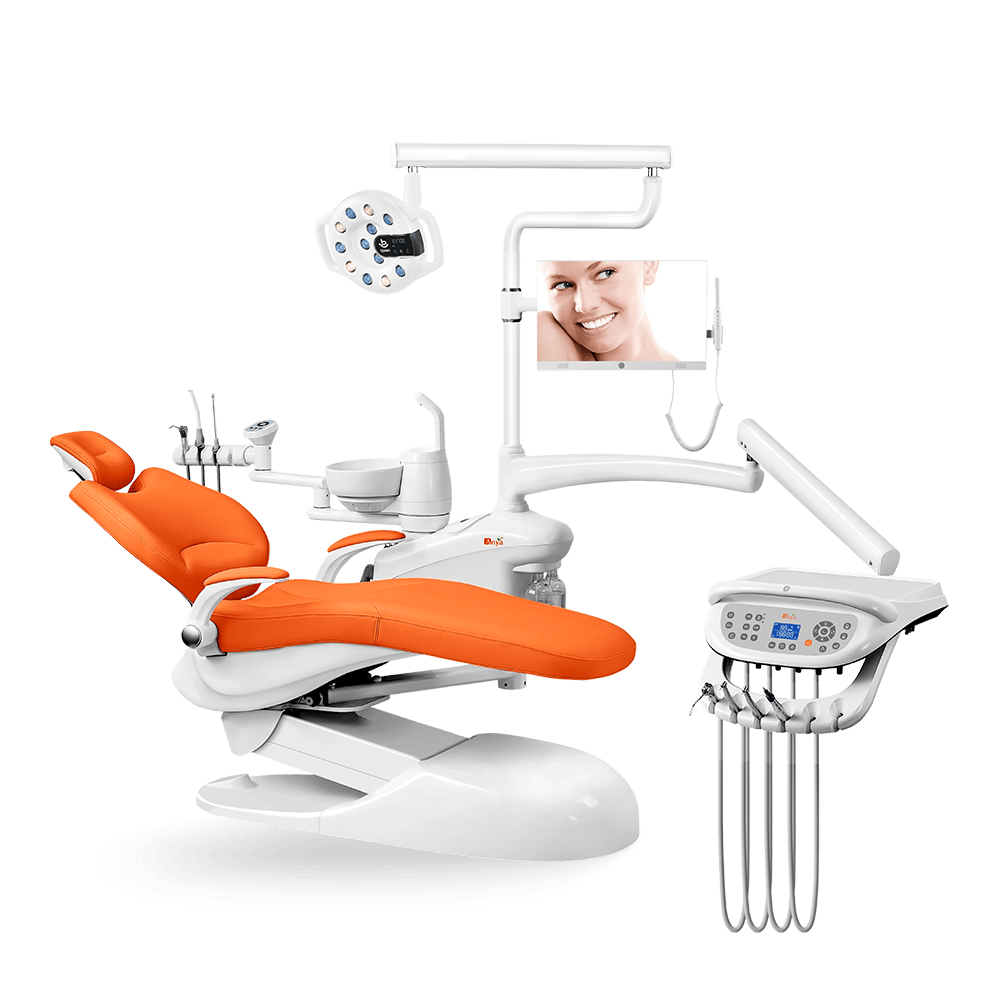
Esta guía ayuda a clínicas, odontólogos, equipos de compras y distribuidores de India a comparar unidades dentales antes de solicitar ofertas. La decisión debe partir del uso clínico y de la sala, no solo del precio: confirme configuración, servicios de agua y aire, documentos de importación, instalación, soporte local y disponibilidad de repuestos.
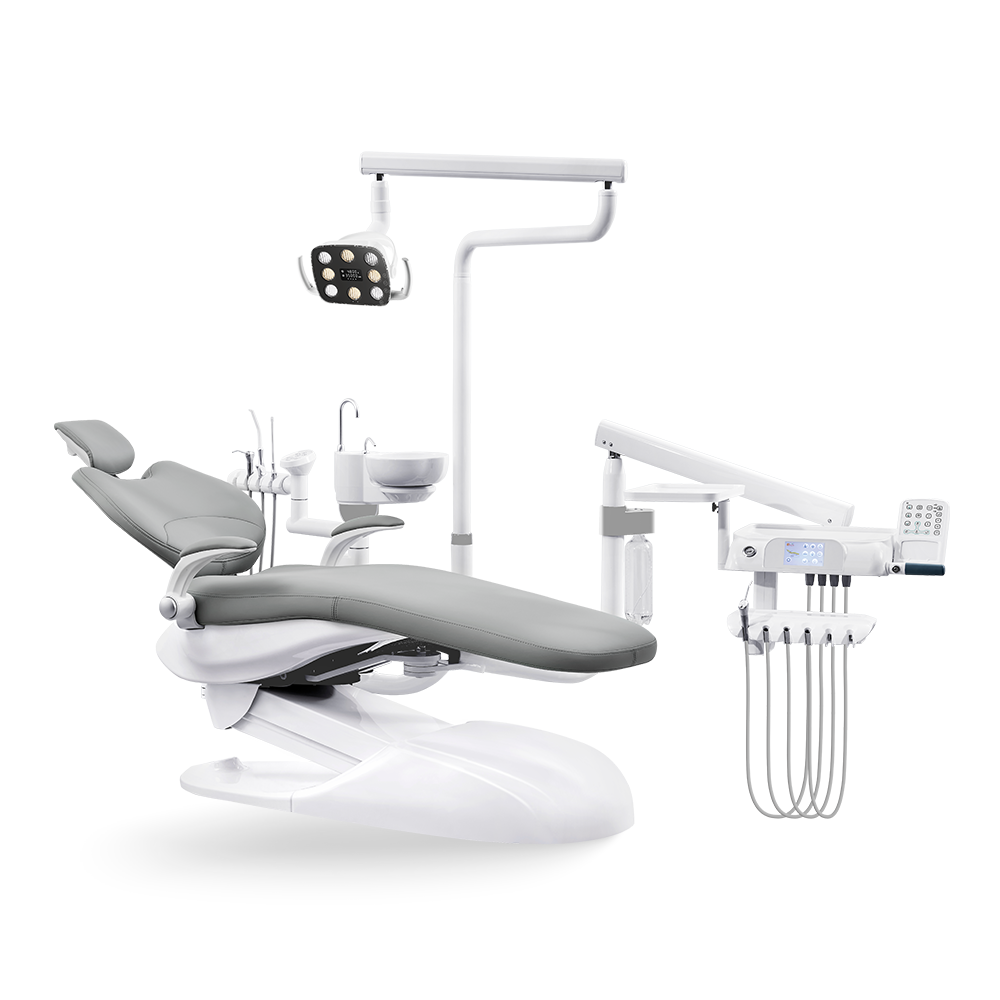
El contenido es una guía de planificación B2B. No sustituye asesoría legal, fiscal, aduanal ni regulatoria. Confirme cada requisito con el importador, agente aduanal, consultor cualificado y autoridad local correspondiente. Para revisar modelos, consulte las unidades dentales y envíe sus requisitos desde la página de contacto.
Empiece por el uso de la clínica
Una clínica general nueva, una sala de reemplazo, una clínica con varias unidades y un consultorio de implantología pueden necesitar configuraciones distintas. Antes de pedir una cotización, documente procedimientos, número de salas, flujo entre odontólogo y asistente, volumen previsto, espacio disponible, servicios existentes y si la compra será directa o mediante un distribuidor local.
La ficha interna debe indicar sistema de entrega, lámpara, escupidera, control de pie, unidad auxiliar, tapicería, voltaje, accesorios, acceso para limpieza y acceso para servicio. Si una foto muestra accesorios, pida que la cotización confirme si están incluidos.
Confirme la sala y los servicios antes de hacer el pedido
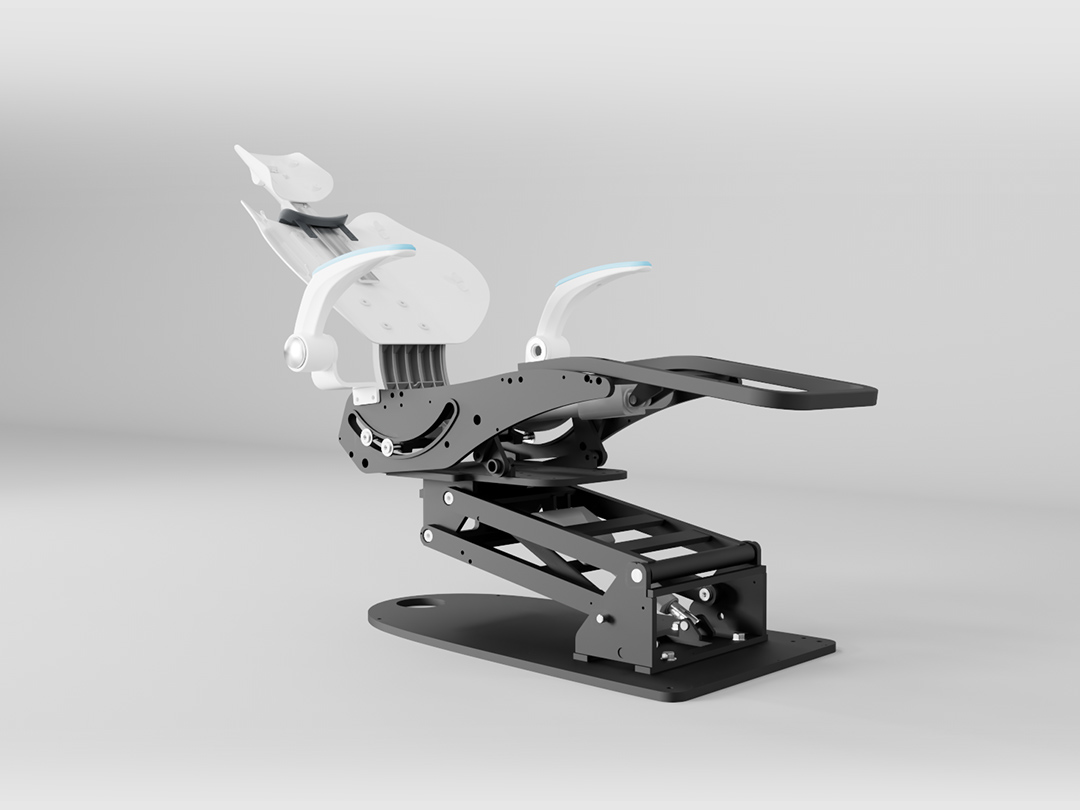
Revise huella del equipo, espacio de reclinación, posición del gabinete, drenaje, puntos de cierre, electricidad, puesta a tierra, circuito, frecuencia y voltaje locales, ruta de aire, agua y succión, además del espacio para mantenimiento. La revisión final de la instalación debe realizarla personal local cualificado.
Lista de verificación para compradores de India
| Área | Qué confirmar | Siguiente paso |
|---|---|---|
| Uso clínico | Odontología general, especialidad, reemplazo, clínica nueva o expansión. | Prepare una ficha de sala y procedimientos. |
| Configuración | Modelo, entrega, unidad auxiliar, lámpara, escupidera, controles, taburetes y accesorios. | Compare la cotización escrita con fotos y ficha técnica. |
| Servicios | Electricidad, tierra, agua, aire, succión, drenaje, cierres y acceso de servicio. | Revise la sala con el instalador antes del pago. |
| Documentos | Factura comercial, lista de empaque, documento de transporte, manuales y certificados disponibles cuando correspondan. | Prepare el expediente antes del embarque. |
| Importación | Importador, consignatario, agente aduanal, ruta DGFT IEC y revisión de clasificación. | Asigne responsabilidades por escrito. |
| Regulación | Preguntas sobre CDSCO, SUGAM y Medical Devices Rules según el producto y la situación del importador. | Confirme localmente; no se autoclasifique con un artículo. |
| Instalación | Descarga, conexión, pruebas, entrega al usuario y registro de aceptación. | Incluya alcance y exclusiones en la orden. |
| Posventa | Identificación de piezas, canal de soporte, diagnóstico, garantía y reposición. | Revise repuestos antes de comprar varias unidades. |
Organice documentos y rutas de confirmación
Si la clínica importa directamente, coordine factura comercial, lista de empaque, documento de transporte, descripción del modelo, configuración, manuales, datos del consignatario y certificados disponibles cuando correspondan. La guía de documentos de importación ayuda a ordenar el expediente.
Las preguntas sobre aranceles y clasificación deben confirmarse con el importador o agente aduanal. ICEGATE y CBIC pueden servir como rutas de consulta, pero no conviene copiar un código o tasa de otro embarque. Si cambian modelo, accesorios, país o consignatario, la revisión puede cambiar.
Asigne también quién gestiona la ruta relacionada con DGFT IEC y quién responde las preguntas de CDSCO, SUGAM o Medical Devices Rules cuando correspondan. Estas decisiones dependen del producto exacto, el importador y el uso previsto.
Compare compra directa, distribuidor y compra por fases
| Ruta | Puede encajar con | Verificaciones |
|---|---|---|
| Importación directa | Clínicas con importador, agente, instalador y soporte organizados. | Documentos, clasificación, instalación, repuestos y servicio local. |
| Distribuidor o importador local | Clínicas que prefieren coordinación local. | Modelo exacto, accesorios, garantía, alcance de servicio y documentos. |
| Compra por fases | Clínicas con varias salas o renovación escalonada. | Consistencia de modelo, servicios, capacitación y piezas compatibles. |
Instalación, aceptación y soporte
Antes del embarque, confirme quién descarga, instala, conecta y prueba la unidad dental. El registro de aceptación puede incluir movimiento, lámpara, succión, líneas de instrumentos, fugas, accesorios, capacitación y pendientes. Consulte también el costo de instalación para separar equipo, preparación de sala, mano de obra, pruebas y entrega.
Para posventa, pregunte cómo se identifican las piezas por modelo y versión, cómo se reportan fallas, quién recibe la solicitud y qué repuestos conviene mantener. Revise la disponibilidad de repuestos y las preguntas para proveedores antes de pagar un depósito.
Preguntas antes de pagar
- ¿Qué modelo y configuración exactos incluye la cotización?
- ¿Qué accesorios son estándar, opcionales o excluidos?
- ¿Qué servicios de la sala debe confirmar localmente la clínica?
- ¿Qué documentos puede entregar el proveedor antes del embarque?
- ¿Quién gestiona importación, agente aduanal, instalación y aceptación?
- ¿Cómo se identifican y solicitan los repuestos después de la compra?
Errores frecuentes
- Comparar precios antes de igualar la configuración.
- Suponer que los accesorios de la foto están incluidos.
- Dejar servicios, instalación y descarga para el día de entrega.
- Copiar códigos, tasas o conclusiones regulatorias de otro caso.
- Comprar varios modelos sin plan de capacitación y repuestos.
¿Está planificando una compra en India? Revise las unidades dentales Anya y contacte a Anya Medical con el tipo de clínica, plano de sala, configuración y preguntas documentales.