How to Evaluate Dental Chair Technical Support Across Time Zones

Progreso en la lectura
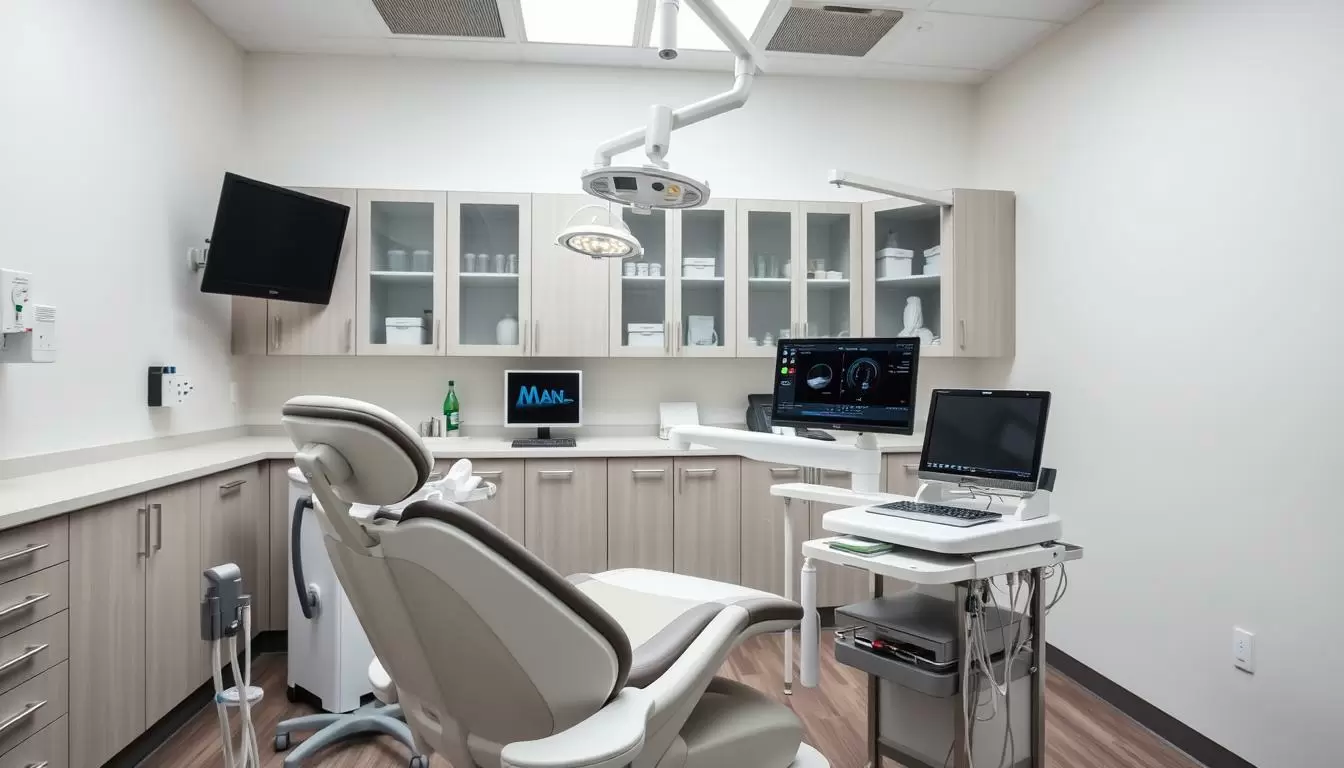
Integrated dental operatory workflow

Dental chair technical support is part of product-line risk for distributors, dealers, importers, and multi-country buyers. A chair can look strong in a catalog, but after-sales results depend on how support cases are reported, documented, triaged, escalated, and connected to spare parts. Across time zones, a structured support workflow matters more than scattered chat messages or vague promises.

Dealer reviewing dental chair technical support information for an installed unit
Dealers should evaluate dental chair technical support as a process: channels, evidence, triage, spare parts, manuals, and records.

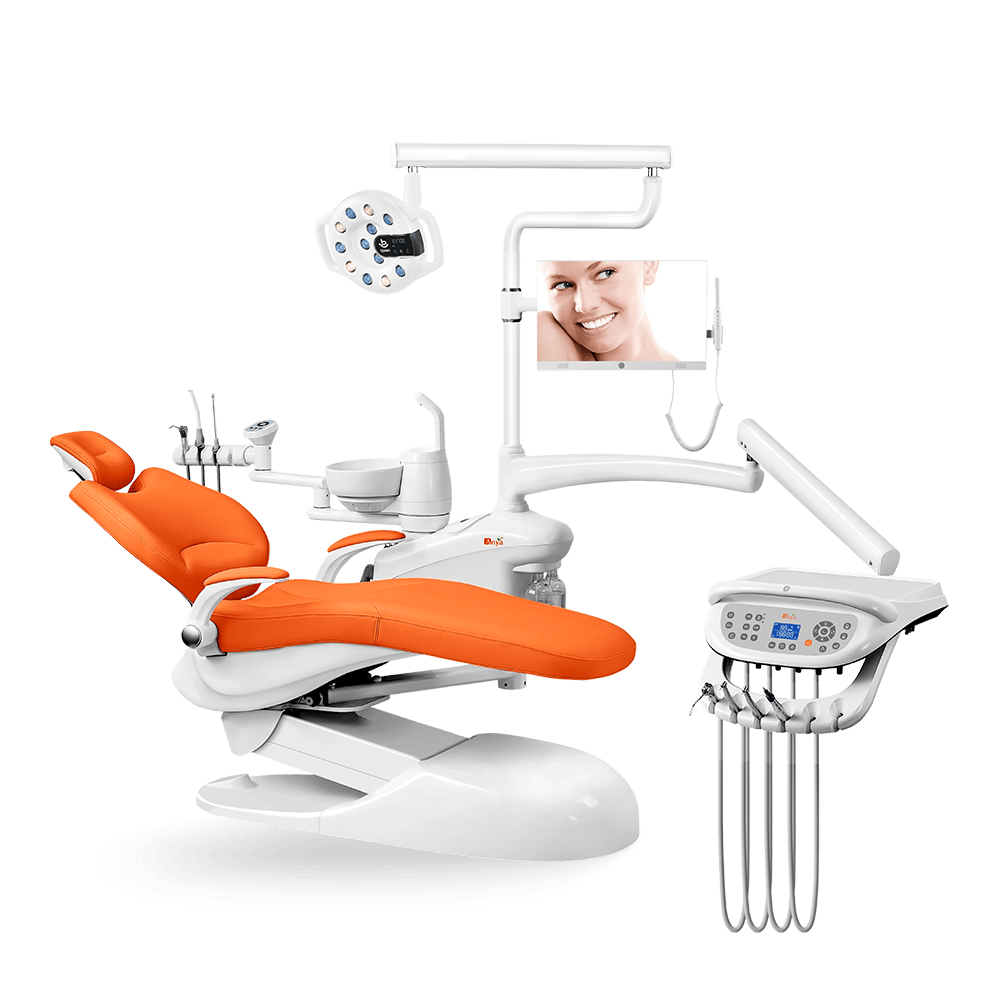
This guide helps buyers evaluate supplier support readiness before trial orders, dealer launches, and installed-base expansion. It does not claim reply windows, warranty terms, part supply, certifications, or service outcomes. For product context, review Anya’s dental chair unit category, then use the dental chair supplier questions guide to turn support expectations into written buying questions.

Why Technical Support Matters for Dealers

For a distributor, a dental chair is not only an equipment sale. It becomes an installed product that clinics may call about for setup, operation, parts identification, handover questions, and service records. If the dealer cannot collect useful evidence or explain the case clearly, the supplier may need repeated clarification before giving practical guidance.

Time zones add another layer. When one team is offline, the next team needs model details, photos, video, previous notes, and the requested next step. A support process should help people continue the case without starting over every time the conversation crosses markets or working hours.

What Good Support Should Mean Before You Buy

Good support should mean a defined process, not a vague statement that support is available. Buyers should ask which channel is used for technical cases, what evidence should be sent, how the supplier separates installation questions from user questions or part questions, and when a case should be escalated beyond first-contact support.

Support also depends on documentation and parts identification. A dealer should know how to confirm the chair model, serial number or order reference, configuration, production version where relevant, and compatible replacement part. Review spare parts availability before scaling a dealer line, because technical support and parts planning work together.

Evaluate Support Channels Across Time Zones

A practical support system usually needs more than one communication path. A written email or ticket path keeps the official case record. Messaging tools can help with quick clarification. Photos and short videos help technicians show movement, sounds, leakage, display behavior, installation context, or component location. Handoff notes keep the case clear when teams are in different time zones.

Do not assume any specific coverage schedule unless it is confirmed in writing. Instead, ask how the supplier wants cases documented so their team can continue review when they are online. A simple case ID, model reference, evidence folder, and next-step summary can reduce repeated back-and-forth.

Support Evaluation Checklist

Area What to evaluate Evidence to request Safe buyer question
Support channels Whether technical support requests have a clear route. Email, ticket process, contact roles, or messaging path. Which channel should dealers use for technical support cases?
Time-zone handoff How cases continue when teams are offline. Written handoff notes, case IDs, and next-step summaries. How should we document a case so your team can continue review across time zones?
Triage process How issues are classified. Triage categories, escalation path, and technician checklist. How do you separate installation issues, user issues, spare-parts issues, and possible defects?
Evidence requirements What photos, videos, and notes are needed. Sample evidence list or case template. What should our technicians send before your team recommends a next step?
Spare-parts identification How parts are matched to a chair. Part list, diagrams, photos, and compatibility notes. How do you confirm the correct replacement part for a specific model and configuration?
Escalation When complex cases move beyond first-contact support. Escalation roles and manufacturer review process where available. When does a case need manufacturer technical review rather than dealer-side troubleshooting?
Installation feedback How post-install questions are captured. Installation checklist, test notes, and photos. What installation notes help your team diagnose early service issues?
Training and manuals What guidance dealers can receive. Manuals, videos, service guidance, and training topics. What service manuals or training materials are available for dealer technicians?
Record keeping Whether support history becomes reusable. Case log, service records, and replacement history. What information should dealers keep for each installed chair?

Build a Support Triage Workflow

A dealer should first identify the case category. Is it an installation issue, normal-use question, spare-parts request, possible shipping damage, utility-related problem, or possible product defect? This classification does not solve the case by itself, but it helps the team collect the right evidence and involve the right people.

Installation-related questions may require local technician notes, site photos, electrical or utility context, and handover records. Quality-related questions may need order references, serial details, photos, video, and previous service notes. Use dental chair installation cost to understand site responsibility boundaries and dental chair quality control tests to frame factory-side evidence discussions without making unsupported claims.

Dental chair spare parts identified for dealer technical support
Support cases often depend on clear part identification, model matching, and documentation rather than visual guesses.

Support Ticket Evidence Table

Evidence item Why it matters Example format
Buyer or dealer name and market Clarifies who owns local follow-up. Dealer name, country, and city.
Chair model and configuration Prevents generic troubleshooting. Model name, delivery type, accessories, and option list.
Serial number or order reference Links the case to the correct unit. Label photo, invoice number, or order number.
Installation date and installer notes Separates early setup questions from later service issues. Installation checklist or handover note.
Clear symptom description Reduces repeated clarification. Specific symptom wording rather than only saying the chair is broken.
Photos of the issue area Helps identify part location and condition. Wide shot plus close-up.
Short video Shows movement, sound, leakage, display behavior, or sequence when useful. Short clip focused on the symptom.
Utility context Helps review water, air, suction, drainage, or electrical questions. Photos or notes from a local technician.
Parts already checked or replaced Avoids repeating the same review. Service note with date and part reference.
Requested next step Keeps the case actionable. Diagnose, identify part, confirm manual, or escalate.

Spare Parts and Support Must Work Together

Technical support is much weaker when parts are identified by visual similarity alone. Ask how the supplier confirms part number, compatible version, model coverage, voltage or configuration relevance, and replacement notes. If the dealer stocks parts locally, the inventory file should connect to installed models and support cases.

Use dealer spare parts stock to plan inventory categories and spare parts availability to ask what should be confirmed before scaling. Do not promise clinics that every part or outcome is covered unless the written agreement supports it.

Training, Manuals, and Installation Feedback

Support also depends on training. Dealers should ask what manuals, service guidance, training topics, and installation feedback processes are available for the specific model. Training should teach the dealer how to collect evidence, identify parts, document cases, and escalate safely. It should not encourage unqualified repair of electrical, movement, utility, or structural issues.

Read the sibling guide on Manuales y capacitación para unidades dentales to build the documentation side of the support process. Then link each support case back to manual version, model, configuration, installation record, and service notes.

Record Keeping for Multi-Country Buyers

Multi-country buyers need consistent support records. Use the same case format across markets, even if local teams add language-specific notes. Keep model, serial number, configuration, market, installer, symptom, evidence, part reference, supplier response, and final outcome together. Over time, these records help the distributor decide which models, parts, and training topics need more attention.

For dealer strategy, connect support history to the Línea de unidades dentales para distribuidores guide. A product line should be evaluated not only by purchase price and catalog appeal, but also by documentation, support workflow, parts planning, and service learnings from the installed base.

Common Mistakes When Evaluating Support

  • Treating support availability as enough without asking for the actual process.
  • Asking for help without model, serial number, photos, or configuration details.
  • Expecting cross-time-zone support to work through chat messages with no written handoff.
  • Confusing warranty approval with technical diagnosis.
  • Ordering spare parts by visual similarity instead of confirmed part numbers.
  • Not collecting installation feedback from local technicians.
  • Letting each country or dealer team use a different ticket format.
  • Promising clinics reply windows or outcomes that the supplier has not confirmed in writing.

PREGUNTAS FRECUENTES

What is dental chair technical support?

It is the supplier and dealer process for helping diagnose installation, operation, spare-parts, and service questions after a dental chair is ordered or installed.

How should dealers evaluate dental chair technical support across time zones?

Ask for clear channels, evidence requirements, written handoff steps, triage categories, escalation process, and spare-parts identification methods before placing larger orders.

What should a dealer send when opening a support case?

Send the model, serial number or order reference, configuration, symptom, photos, video if useful, installation notes, utility context, and any parts already checked.

Does technical support make repair faster?

No. Support quality can reduce confusion, but repair timing depends on diagnosis, local technician availability, spare-parts confirmation, shipping, and written service terms.

How does support connect with spare parts?

Good support helps identify the correct part by model, configuration, revision, and evidence. Spare-parts planning should still be reviewed separately.

Should dealers request service manuals or training?

Yes. Dealers should ask what manuals, service guidance, training topics, and installation feedback processes are available for the specific chair model.

Evaluating dental chair technical support for a dealer launch or import program? Contactar con Anya Medical with your model, destination market, configuration, and support questions.

Deja una respuesta

Tu dirección de correo electrónico no será publicada. Los campos obligatorios están marcados con *

es_ESSpanish
Contacto

Rellene el siguiente formulario y un representante se pondrá en contacto con usted lo antes posible.

Nombre(Obligatorio)
Díganos qué le preocupa. ¿Tienes alguna pregunta? Pregúntanos.
Contacto

Rellene el siguiente formulario y un representante se pondrá en contacto con usted lo antes posible.

Nombre(Obligatorio)
Díganos qué le preocupa. ¿Tienes alguna pregunta? Pregúntanos.