How Dental Equipment Dealers Can Build a Dental Chair Product Line

Progreso en la lectura
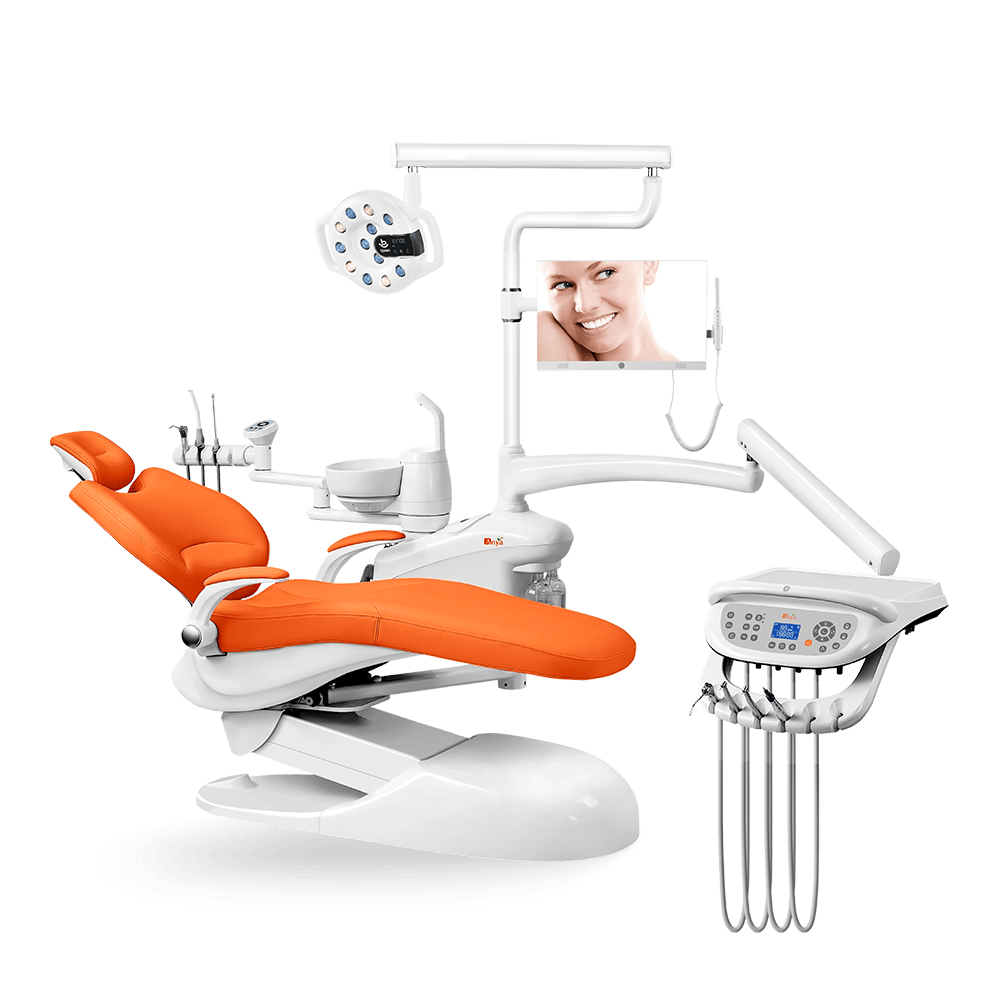
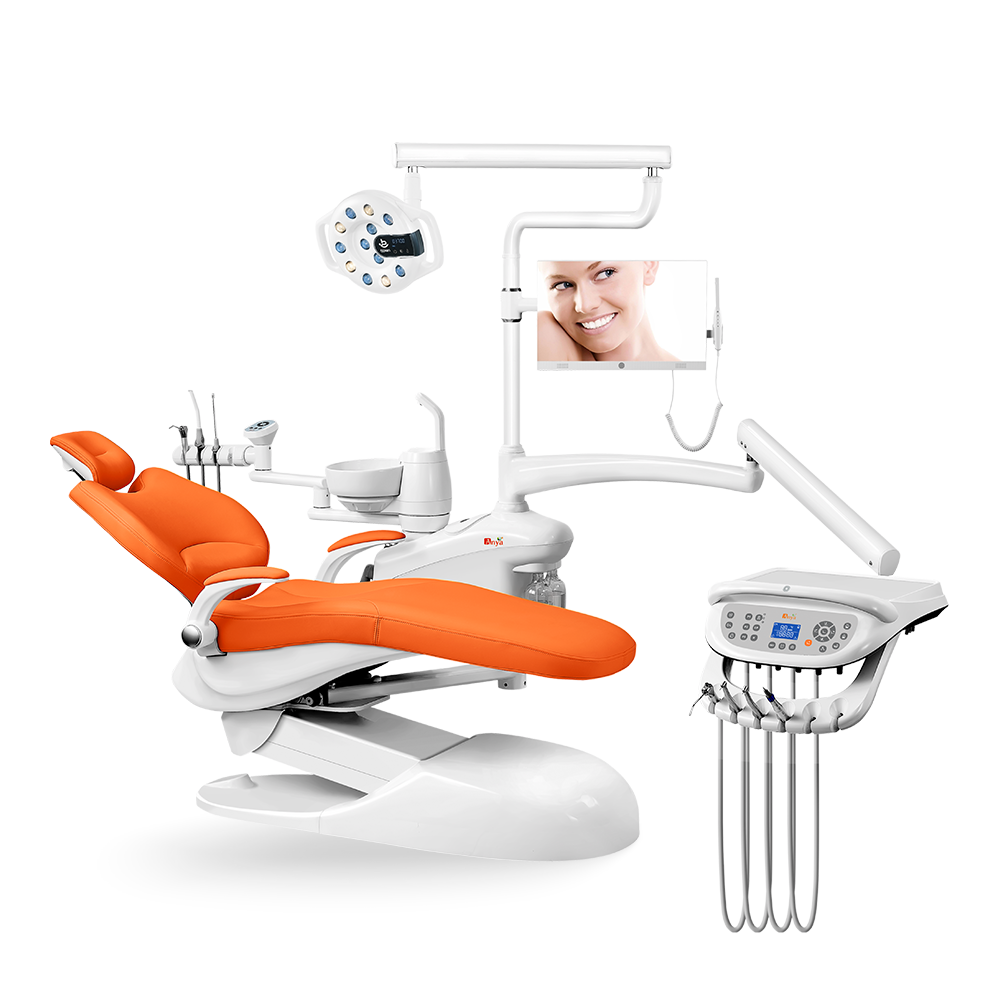
AY-A6000 Dental Chair

A dental chair product line for dealers should be narrow enough to sell clearly and broad enough to serve different clinic needs. Dealers do not need to promote every possible model at the start. A practical dental chair product line for dealers usually begins with a focused assortment that matches local clinic segments, service capacity, available documentation, spare parts planning, and real landed cost. The goal is not to list more chairs; it is to make each chair easier to explain, quote, install, and support.

AY-A6000 dental chair for dealer product line planning
A mid-range dental chair model can help dealers compare features, configuration scope, documentation needs, and after-sales requirements before building a catalog.

This guide is for dental equipment dealers, importers, and distributors planning a chair portfolio before larger orders. It connects closely to the dental chair RFQ guide, quote comparison processy spare parts availability review, but the focus here is product-line strategy: which models should a dealer represent, and what support system must exist before promotion?

Start With Customer Segments

Good product-line planning starts with the clinics the dealer actually serves. A new clinic, a budget-sensitive clinic, a multi-chair clinic, a specialty practice, and a public tender buyer can all care about different things. Some buyers prioritize price and basic function. Others care about workflow, assistant access, control options, upholstery, lighting, suction, documentation, or technical support.

Dealers should avoid describing one chair as the best answer for every customer. A better approach is to map each model to the clinic problem it may fit, then confirm configuration and service details before quoting.

Clinic segment Typical buying concern Dealer planning question
New or price-sensitive clinics Reliable basic setup, clear installation needs, and manageable first purchase. Which entry model can we support locally without overcomplicating options?
General clinics upgrading rooms Balanced comfort, workflow, delivery system, light, and service readiness. Which standard model should be the main quote reference?
Specialty or premium-positioned clinics Higher configuration depth, user controls, design, comfort, and integrated options. Which advanced model is worth demonstrating, and what support does it require?
Multi-chair clinics or tenders Consistency, documentation, spare parts, installation planning, and repeatability. Can we standardize models and parts enough to support multiple rooms?

Use A Three-Tier Product Structure

A dealer product line is easier to sell when buyers can understand the range quickly. Instead of publishing exact prices or promising margins, use internal planning tiers such as starter, standard, and advanced. These tiers should be based on feature set, support requirements, and clinic fit. Final pricing depends on model configuration, freight, duties, taxes, warranty terms, destination-market requirements, and written supplier terms.

Tier Role in the dealer line What to confirm before promotion
Starter Serve basic room setups and price-sensitive clinic projects. Core configuration, installation requirements, standard accessories, and service parts.
Estándar Act as the main quote reference for general clinics. Delivery system, light, suction, assistant unit, comfort features, and warranty terms.
Avanzado Support premium rooms, demos, and clinics asking for more configuration depth. Control options, integrated functions, technician training, documents, and parts plan.

A visible product range helps the dealer explain choices. For example, an Sillón dental asequible AY-A2000, an AY-A6000 mid-range dental chair, and a higher-spec model such as dental chair units in the product category may become model references. The dealer should still request written configuration and availability details for the exact order.

AY-A2000 affordable dental chair for dealer entry-level product line
Entry-level models can help dealers cover budget-sensitive projects, but the dealer should still confirm parts, documents, packing, and installation needs before selling.

Choose Configurations Before Choosing Names

Dealers often think in model names, while clinics think in room problems. Before adding a chair to the catalog, define the configuration choices that customers will ask about. These may include delivery system, assistant unit, suction setup, dental light, foot control, control panel, upholstery color, spittoon design, compressor compatibility, voltage, room footprint, and installation requirements.

A product line becomes difficult to support when every quote becomes a custom project. Limit the standard options first, then create a controlled process for special requests. If a dealer wants private label or deeper customization later, that should be treated as a separate OEM/ODM discussion, not as an uncontrolled catalog expansion.

Build A Dealer Product-Line Worksheet

A written worksheet helps the dealer avoid casual model selection. Use one row for each model under consideration and keep unknowns visible. If a column is still pending, leave it pending instead of filling the gap with a sales assumption.

Worksheet field Dealer decision Why it matters
Target customer New clinic, upgrade room, multi-chair project, tender, or specialty room. Keeps the chair from becoming a generic catalog item.
Standard configuration Delivery unit, assistant unit, light, suction, stool, color, and utilities. Controls quoting complexity and service training needs.
Document status Manuals, labels, certificates where applicable, and importer/dealer files. Prevents promotion before destination-market questions are checked.
Support readiness Parts list, technician notes, warranty process, and supplier contact path. Protects the dealer after the installation, not only during the sale.
Launch evidence Trial order result, demo feedback, installation notes, and quote response. Gives the dealer a reason to scale, revise, or pause the model.

Plan Margins Without Publishing Fake Prices

Dealers can use pricing bands internally, but public article copy should not invent prices, margins, MOQ, or territory terms. Margin planning should begin with the dental chair landed cost worksheet. The dealer needs to estimate not only the chair price, but also freight, import duties, taxes, broker fees, destination delivery, warehousing, installation support, warranty exposure, spare parts stock, and technician training.

A lower product quote may not create a stronger dealer line if it creates more service calls, unclear documents, slow parts identification, or weak packing. A higher configuration can also be difficult to sell if the dealer has no demo process or no technician training plan. Margin should be protected through clear scope, not through guesswork.

Supplier Requirements For A Dealer Line

A dealer line needs supplier support behind it. Before adding a model to a catalog, dealers should verify the supplier, documents, production consistency, spare parts, warranty terms, packing process, and communication path. This is where the dealer should connect product-line planning to manufacturer verification and the factory audit checklist.

Supplier requirement Dealer reason Evidence to request
Model documents Dealers need product files for import, tender, training, and customer confidence. Manuals, labels, certificate copies where applicable, and configuration sheets.
Stable spare parts process Installed chairs need service support long after the first sale. Parts list, part numbers, recommended dealer kit, and ordering process.
Warranty terms Dealers must separate covered failures from consumables, wear, shipping, or installation issues. Written warranty terms, claim process, evidence requirements, and exclusions.
Packing and shipment details Damage risk affects dealer cost and customer trust. Packing description, crate or carton details, and pre-shipment photo process.
Technical support Dealers need a way to resolve installation and service questions. Support contact path, manuals, videos, technician guidance, and escalation rules.

Use Demo Units Carefully

Demo units can help dealers train salespeople, collect technician feedback, and show clinics how a model feels. But a demo unit does not guarantee customer conversion, margin, or market fit. Use it as one evidence source. A good demo plan records which buyer segment saw the chair, what objections appeared, which features helped the conversation, which installation questions came up, and which parts or documents the service team requested.

AY-A3000 cart dental chair configuration for dealer product range
Cart-style configurations give dealers another option for clinics with different workflow or layout needs. Confirm the exact model, options, and support requirements before quoting.

Move From Planning To RFQ And Trial Order

Once the dealer has a target product-line structure, the next step is not a large purchase. Move into a structured RFQ and then a controlled trial order. The RFQ should define the models, options, documents, packing expectations, parts requirements, warranty questions, and target market. A dental chair trial order can then test whether the supplier can support the dealer workflow before larger orders.

The safest launch sequence is discovery, model shortlist, document review, RFQ, trial order, technician evaluation, soft launch, buyer feedback, and reorder planning. If a model fails on documents, installation, parts, or support, revise the lineup before promoting it more widely.

Common Product-Line Mistakes

Adding too many models too early

A broad catalog can look impressive, but it can confuse salespeople and technicians. Start with models the dealer can explain, install, and support, then expand after trial orders and customer feedback show a clear reason.

Building the range only around price

Price matters, but clinics also compare workflow, comfort, room fit, documentation, installation, and service response. A low-cost chair that creates unclear service obligations may not protect the dealer’s margin.

Ignoring technician feedback

Sales teams may like a model that technicians find difficult to install or diagnose. Include technician comments before deciding which model becomes the standard quote reference.

Promoting before documents are ready

Dealers should not market a chair into a destination or tender process until model-specific documents, labels, manuals, and import questions have been reviewed. Requirements vary by market and configuration.

PREGUNTAS FRECUENTES

How many dental chair models should a dealer start with?

There is no universal number. Many dealers are better served by a focused starter, standard, and advanced structure than by a broad catalog they cannot explain or support. The right number depends on customer segments, service capacity, and supplier support.

What is the best dental chair range for a new distributor?

A new distributor should choose models that match local clinic demand, room requirements, documentation needs, spare parts planning, and technician capability. Avoid building the range only around price.

Should dealers offer private-label dental chairs?

Private label can make sense for some distributors, but it adds responsibility for positioning, documentation, quality control, service, and long-term parts support. It should be planned after the dealer understands the standard model line.

What documents should a supplier provide for each model?

Ask for manuals, labels, configuration sheets, available certificate copies where applicable, warranty terms, spare parts lists, and import documentation support. Requirements vary by market and configuration.

How can dealers protect margins on imported dental chairs?

Use landed cost, service cost, spare parts stock, warranty exposure, installation support, and local delivery planning. Do not judge margin only from the unit price in a supplier quote.

Planning a dealer product line? Contact Anya Medical through the contact page to review dental chair models, configuration options, documentation needs, and distributor support requirements.

es_ESSpanish
Contacto

Rellene el siguiente formulario y un representante se pondrá en contacto con usted lo antes posible.

Nombre(Obligatorio)
Díganos qué le preocupa. ¿Tienes alguna pregunta? Pregúntanos.
Contacto

Rellene el siguiente formulario y un representante se pondrá en contacto con usted lo antes posible.

Nombre(Obligatorio)
Díganos qué le preocupa. ¿Tienes alguna pregunta? Pregúntanos.