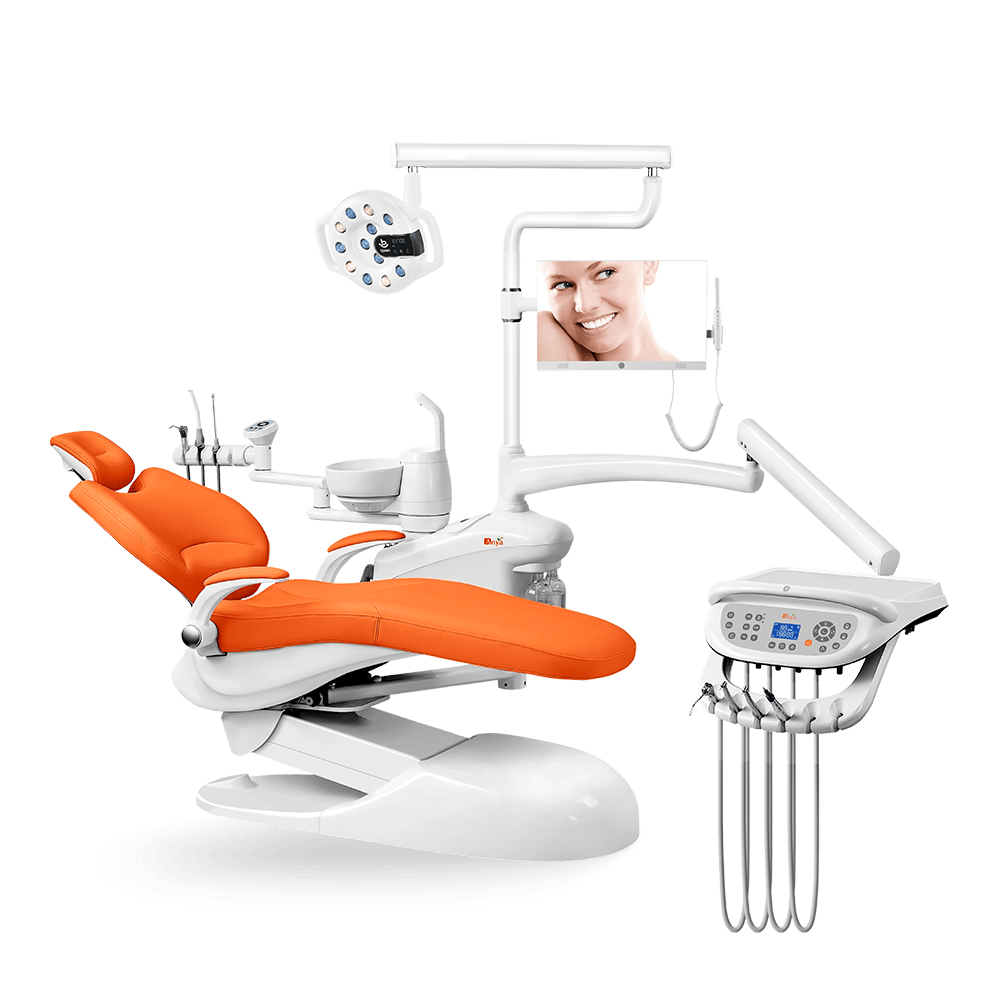
A dental chair product line for dealers should be narrow enough to sell clearly and broad enough to serve different clinic needs. Dealers do not need to promote every possible model at the start. A practical product line begins with clinic segments, service capacity, documentation readiness, spare parts planning, landed cost, and real support from the supplier.
If you are still choosing which chair family belongs on the shortlist, review the best dental chair guide first, then use the dental chair RFQ guide to compare suppliers on the same scope.
Pair this guide with the dental chair RFQ guide, trial order checklist, spare parts stock guide, custom configuration guide, and OEM dental chairs guide.
Start With Customer Segments
Good product-line planning starts with the clinics the dealer actually serves. A new clinic, price-sensitive practice, multi-chair clinic, specialty room, and public tender buyer can all require different levels of configuration, documentation, installation support, and spare parts. The dealer should map each model to a real buying problem instead of presenting one chair as the answer for every customer.
| Segment | Typical Concern | Dealer Planning Question |
|---|---|---|
| New clinics | Basic setup, clear installation needs, manageable first purchase | Which entry model can we explain and support locally? |
| General clinics | Comfort, workflow, delivery system, light, and service readiness | Which model should become the standard quote reference? |
| Specialty rooms | Higher configuration depth, positioning, lighting, and assistant access | Which advanced model deserves a demo or trial order? |
| Multi-chair buyers | Repeatability, documents, installation planning, and spare parts | Can we standardize enough to support several rooms? |
Use a Simple Three-Tier Structure
A dealer line is easier to sell when the range is easy to explain. Use internal planning tiers such as starter, standard, and advanced. Tiers should be based on clinic fit, configuration depth, service requirements, and documentation needs. Final pricing should stay tied to written quotations, freight, duties, taxes, warranty terms, and destination-market requirements.
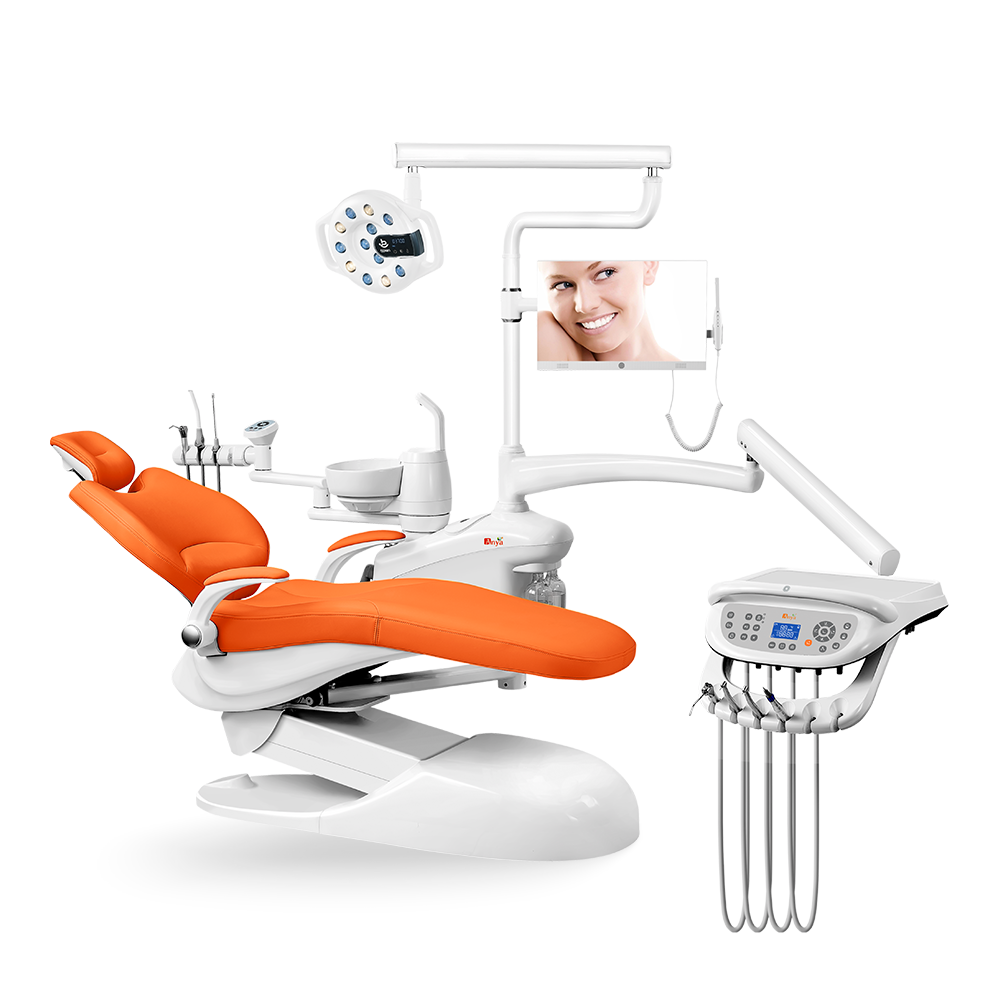
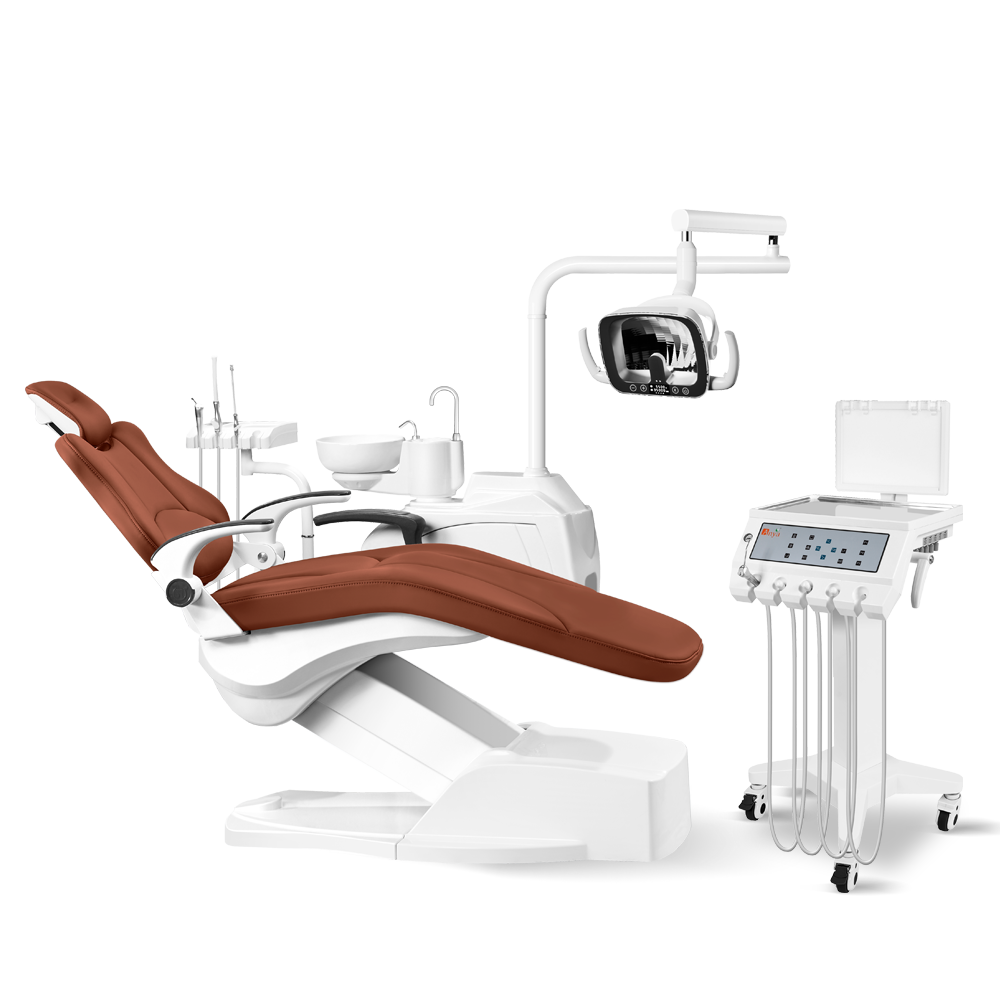
For example, an AY-A2000 dental chair can be reviewed as an entry reference, while an AY-A6000 dental chair may fit a broader standard segment. Cart-style options such as the AY-A3000 cart configuration can serve clinics with different layout and delivery preferences.

Build a Dealer Product-Line Worksheet
| Worksheet Field | What to Record |
|---|---|
| Model role | Starter, standard, advanced, specialty, or tender-focused |
| Target buyer | Clinic type, room type, budget band, and procedure mix |
| Configuration | Delivery system, light, assistant unit, controls, stool, upholstery, and options |
| Documents | Manuals, labels, certificates where applicable, and import files |
| Support | Warranty, spare parts, technician path, training, and escalation process |
| Commercial plan | Landed cost, demo plan, trial order result, stocking plan, and reorder process |
Supplier Requirements for a Dealer Line
A product line needs supplier support behind it. Before adding a model to a catalog, dealers should verify the supplier, documents, production consistency, spare parts, warranty terms, packing process, and communication path. Use the supplier questions guide and manufacturer verification guide before scaling orders.
- Request model-specific documents, manuals, labels, and configuration sheets.
- Confirm recommended dealer spare parts, part numbers, and reordering process.
- Define warranty terms, claim evidence, exclusions, and replacement-part responsibility.
- Ask how packing photos, inspection evidence, and shipment documents will be shared.
Use Demo Units and Trial Orders Carefully
Demo units can help dealers train salespeople, collect technician feedback, and show clinics how a model feels. Treat the demo as one evidence source, not as proof of customer conversion or market fit. A useful demo plan records the buyer segment, objections, installation questions, features that helped the conversation, and parts or documents requested by the service team.
Once the dealer has a target product-line structure, move into a structured RFQ and a controlled trial order. The RFQ should define models, options, documents, packing expectations, parts requirements, warranty questions, and target market. A trial order can then test whether the supplier can support the dealer workflow before larger purchases.
Plan Margins Without Publishing Fake Prices
Dealers can use pricing bands internally, but public content should not invent prices, territory terms, or margin promises. Margin planning should begin with landed cost, not only factory price. The dealer needs to estimate freight, duties, taxes, broker fees, destination delivery, warehousing, installation support, warranty exposure, spare parts stock, technician training, and customer support time.
A low product quote may not create a stronger dealer line if it leads to unclear documents, slow parts identification, weak packing, or frequent service calls. A higher configuration can also be difficult to sell if the dealer has no demo process or no technician training plan. Margin should be protected through clear scope and repeatable support.
Common Product-Line Mistakes
- Adding too many models before the sales and service teams understand them.
- Building the range only around price instead of clinic workflow and support needs.
- Promoting a model before documents, labels, manuals, and spare parts are ready.
- Ignoring technician feedback from demo units and trial orders.
- Using different configuration names in quotes, invoices, packing lists, and customer materials.
FAQ
How many dental chair models should a dealer start with?
There is no universal number. Many dealers do better with a focused starter, standard, and advanced structure than with a broad catalog they cannot explain or support.
Should dealers start with a trial order?
Usually yes. A trial order helps check configuration, documents, packing, installation, technician feedback, spare parts, and support before the dealer scales the product line.
What makes a dealer dental chair line easier to support?
Clear model tiers, repeatable configurations, model-specific documents, spare parts, written warranty terms, packing evidence, technician training, and a stable supplier contact route make the line easier to support.
Planning a dealer product line? Contact Anya Medical through the contact page to review model options, configuration scope, documentation, trial-order planning, and distributor support requirements.