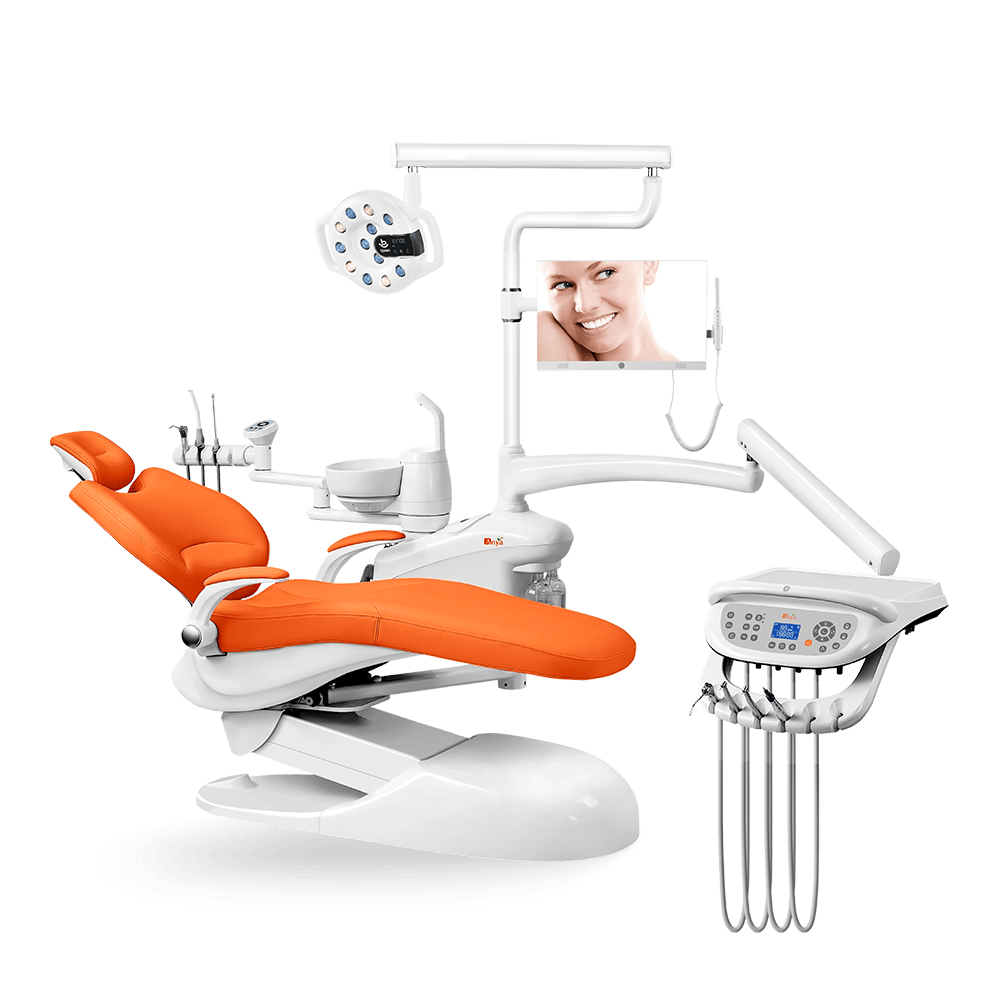
This dental chair buying guide for clinics in the Philippines helps clinic owners, dentists, and purchasing teams organize equipment decisions before ordering. A safer buying process starts with the clinic use case, then confirms chair configuration, room requirements, import or local purchase route, shipping documents, installation scope, spare parts, and service support in writing.
Compare the dental chair unit category, procurement checklist, import documents checklist, installation cost guide, spare parts availability guide, and request quote page.
This article is buyer-planning content, not customs, tax, FDA, or legal advice. Tariff, import, and regulatory questions should be confirmed through official or local channels such as the Philippine Tariff Finder, Bureau of Customs or a licensed customs broker, and FDA Philippines processes where applicable.
Start With the Clinic Use Case
A startup general dentistry clinic, multi-chair expansion, specialty room, dental school, and public-sector project may not need the same chair configuration. A simple price comparison can hide differences in delivery system, assistant access, operating light, suction, water and air requirements, cleaning access, service route, and spare parts support.
Before asking for a quote, define daily procedures, room count, staff workflow, expected patient volume, utility condition, room size, and whether the buyer is importing directly or purchasing through a local dealer or importer.
Choose the Right Chair Configuration
Dental chair configuration should be written clearly in the quote. Confirm whether the order includes chair-mounted delivery, cart delivery, assistant unit, operating light, cuspidor, foot control, doctor or assistant stool, scaler or curing light options, monitor support, and accessories. Product photos should not replace a written included-item list.
For clinics expecting growth, choose configurations that can be repeated across rooms without creating different spare-parts and training requirements for every chair. Dealers should keep model names, parts lists, and installation notes consistent across customer handovers.
Check the Treatment Room Before Choosing a Chair
Room utilities can make or break installation. Confirm chair movement clearance, floor and cabinet position, electrical supply, grounding, breaker needs, local voltage and frequency, plug or socket assumptions, air, water, suction, drainage, shutoff valves, and technician access. These items should be checked locally by qualified installers, electricians, plumbers, or contractors as appropriate.
Use the plumbing and electrical requirements guide and the air and water line planning article before approving the room.
Philippines Clinic Buyer Checklist
| Area | What to Check | Why It Matters |
|---|---|---|
| Clinic type | General, startup, multi-chair, specialty, school, or public facility | Controls configuration and support needs |
| Chair package | Model, delivery system, light, assistant unit, stool, controls, and accessories | Prevents comparing different scopes |
| Room readiness | Clearance, utilities, drainage, suction, access, and local installer review | Reduces installation delay |
| Import or local route | Direct import, dealer purchase, broker review, consignee, and document path | Clarifies buyer responsibility |
| Shipping and receiving | Packing, carton count, unloading, storage, inside delivery, and handover timing | Protects the physical delivery plan |
| Service support | Warranty scope, spare parts, technician route, and response process | Controls downtime after installation |
Import, Shipping, and Documentation
For direct import, coordinate supplier documents, freight, consignee details, broker review, and receiving plan before shipment. Common document discussions include commercial invoice, packing list, bill of lading or air waybill, product descriptions, manuals, certificate documents where applicable, and importer details. Use the dental chair shipping guide to connect packing, unloading, storage, and inside delivery with the installation schedule.
Installation and Acceptance Checklist
- Confirm who unloads, moves, assembles, connects, tests, and hands over the chair.
- Check whether utilities, compressor, suction, drainage, and electrical work are ready before delivery.
- Match delivered accessories, manuals, labels, and packing list with the quote.
- Record chair movement, light, water, air, suction-related checks, and visible condition during handover.
- Keep warranty, spare-parts, and service contacts in the clinic equipment file.
Phased Buying for Multi-Chair Clinics
For multi-chair clinics, phased buying can reduce uncertainty. Test one room first, then standardize model references, room utility notes, parts list, installer checklist, and training materials before repeating the setup. This approach also helps dealers and distributors build a clearer support file for future customers.
Planning a dental chair purchase for a clinic in the Philippines? Send Anya Medical your clinic type, room plan, target configuration, import or local purchase route, and document questions through the request quote page.
Common Philippines Buying Mistakes
- Assuming the product photo shows all accessories included in the quoted chair package.
- Checking room utilities only after the chair is ready for delivery.
- Leaving broker, consignee, document, and receiving responsibilities unclear for direct imports.
- Comparing a local dealer quote and an overseas supplier quote without separating support scope.
- Installing different chair configurations across rooms without spare-parts and training notes.
FAQ
What should Philippines clinics ask before ordering a dental chair?
Ask for the exact model, included accessories, room utility needs, import or local delivery route, installation scope, warranty terms, spare parts, and service response process.
Can a Philippines buyer rely on one supplier quote?
Use the quote as one document, then confirm what is included, what is excluded, who handles import or local delivery, and who supports installation and service after handover.
Why plan spare parts before buying?
Spare-parts planning helps clinics and dealers identify parts by model, reduce service confusion, train technicians, and support future rooms with a more repeatable process.