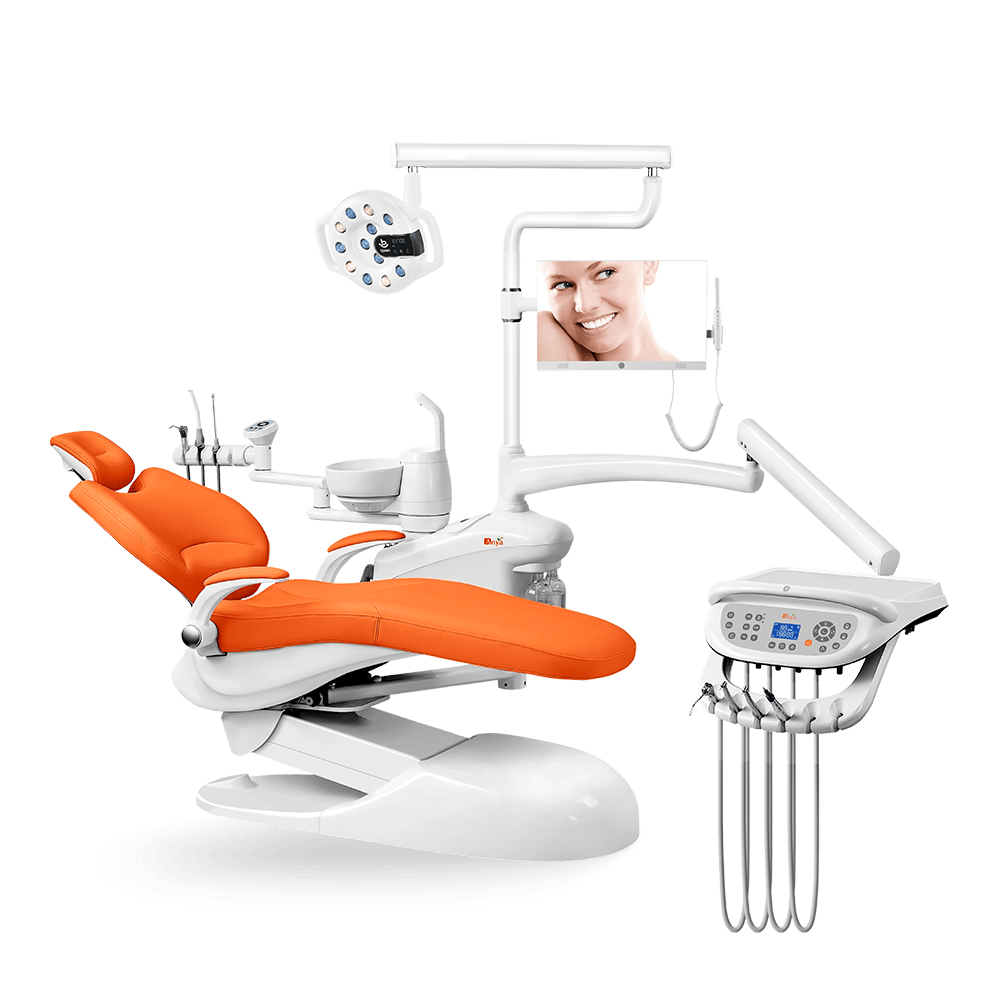
This dental chair buying guide for Latin America helps clinic owners, purchasing teams, importers, dealers, and distributors compare dental chair units with fewer blind spots. Latin America is not one import market, so a good purchase file should separate regional planning questions from country-specific confirmation. Start with the clinic use case, compare written configurations, prepare an RFQ, confirm documents locally, plan landed cost, and define spare parts and after-sales support before placing the order.
Use this guide with the dental chair RFQ guide, quote comparison guide, landed cost worksheet, import documents checklist, and request quote page.
This article is buyer-planning content, not legal, customs, tax, or regulatory advice. Requirements vary by country, importer role, product configuration, and local authority. Buyers should confirm the final import and health-authority path through their importer, customs broker, qualified consultant, and relevant local authority.
Confirm Buyer Role and Destination Country First
A clinic buying one chair, a dental group standardizing several rooms, a dealer ordering trial inventory, and a distributor building a product line do not need the same buying workflow. Before comparing suppliers, write down the destination country, buyer role, clinic use case, chair configuration, import route, service route, and decision owner. If one distributor serves several countries, keep each country’s confirmation file separate.
Start With the Clinic Use Case
General dentistry, hygiene, orthodontics, implant procedures, pediatric dentistry, and multi-chair clinics can require different chair features. Define room size, operator preference, assistant workflow, cabinet placement, expected accessories, cleaning access, patient comfort needs, and service access before choosing a model. For dealers, translate these use cases into a repeatable dealer product line rather than a one-off purchase.
Compare Written Configurations Before Price
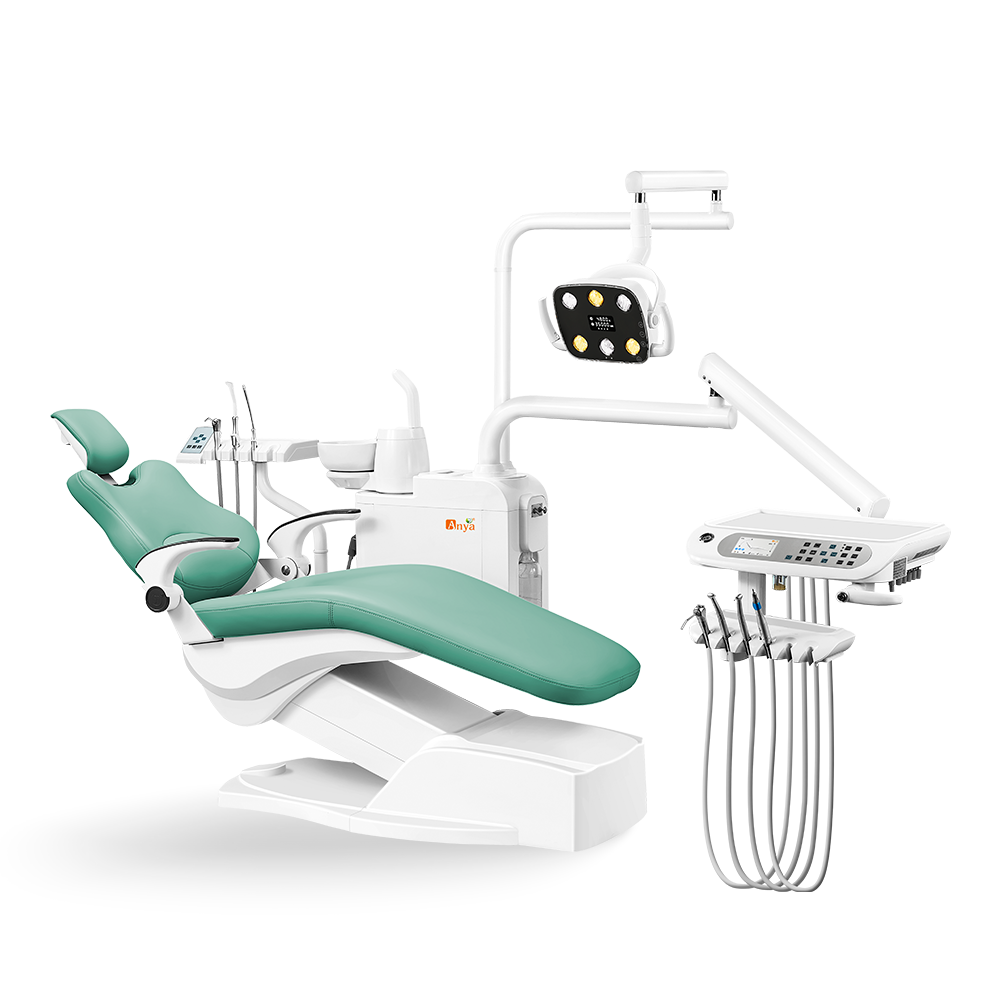
A catalog photo is not a purchase specification. Ask for a written configuration that covers the chair model, delivery system, assistant unit, light, suction options, foot control, bowl or cuspidor, upholstery color, stools, integrated equipment options, voltage assumptions, packing details, and included accessories. If an item is optional or excluded, it should be shown that way in the quotation.
| Checkpoint | What to Confirm | Who Should Confirm |
|---|---|---|
| Destination market | Import route, local document expectations, health-authority questions, and buyer responsibility | Importer, broker, and local adviser |
| Chair configuration | Model, delivery system, light, suction, stool, voltage, color, and optional items | Buyer and supplier |
| Commercial scope | Incoterms, packing, freight boundary, payment steps, and included documents | Buyer, supplier, and forwarder |
| Installation support | Air, water, drainage, electrical, floor space, technician route, and training | Buyer, installer, and supplier |
| After-sales plan | Warranty scope, spare parts, service evidence, and response channel | Dealer, distributor, clinic, and supplier |
Build the RFQ Around Latin America Buying Risks
The RFQ should force clarity before price comparison. Ask the supplier to separate included equipment, optional accessories, spare parts, documents, packing, freight assumptions, and support responsibilities. For payment planning, link approval steps to configuration confirmation, inspection evidence, and shipment readiness rather than relying on a loose chat summary.
- Ask for model-specific manuals, labels, certificate copies where applicable, and packing details.
- Ask whether documents support the quoted model and legal entity, not only the supplier’s general catalog.
- Ask for carton or crate size, gross weight, shipping marks, and pre-shipment photo evidence.
- Ask for warranty scope, excluded consumables, parts identification, and response process.
Plan Landed Cost and Shipping Early
Product price is only one part of the buying decision. Estimate freight, insurance where used, duties, taxes, broker fees, destination handling, warehousing, local delivery, installation materials, technician time, spare parts, and warranty exposure. Use the dental chair shipping guide and import documents checklist before shipment, then confirm the final route with the buyer’s local professionals.
Compare Quotes Without Losing Scope
Quote comparison should be line-by-line. One supplier may include a stool, light, spare parts kit, packing, or document support while another supplier lists those items separately. Ask each supplier to identify included items, optional items, excluded items, lead-time assumptions, payment checkpoints, and after-sales responsibilities. A lower product line can become more expensive if it creates document delays, missing accessories, installation problems, or weak support after arrival.
For Latin America dealers, the comparison should also reflect repeat-order support. The buyer needs to know whether the same model, parts, documents, labels, and configuration names can be repeated across future orders. If the supplier cannot keep the model file consistent, the dealer may face training, service, and customer-communication problems later.
Distributor and Dealer Planning
For distributors, the first order should test more than chair appearance. A dental chair trial order should check documentation, packing, installation, technician feedback, spare parts, warranty process, and customer response. If the buyer wants branded or repeated configurations, review OEM dental chairs and private label dental chairs as part of the product-line plan.
Final Buying Workflow
- Define country, buyer role, clinic workflow, room conditions, and chair configuration.
- Send a structured RFQ that separates model, accessories, documents, packing, and support.
- Compare quotations line by line, including landed cost and installation responsibilities.
- Confirm import and regulatory requirements locally before shipment.
- Approve pre-shipment inspection evidence, packing list, and shipping documents.
- Keep installation, service, warranty, and spare-parts records after delivery.
FAQ
Can one dental chair buying process fit all Latin America markets?
No. The regional workflow can help with planning, but import documents, health-authority expectations, tax treatment, and service routes should be confirmed country by country.
What should be included in a Latin America dental chair RFQ?
The RFQ should include model, configuration, destination country, documents, voltage, packing, shipping boundary, spare parts, warranty terms, support route, and any dealer or OEM requirements.
Why is landed cost important for clinic buyers?
Landed cost shows the real purchase burden after freight, duties, taxes, broker fees, local delivery, installation, spare parts, and support planning are included.
To begin a Latin America purchase review, browse Anya Medical’s dental chair units, then send the target country, buyer role, configuration, document questions, and after-sales requirements through the request quote page.