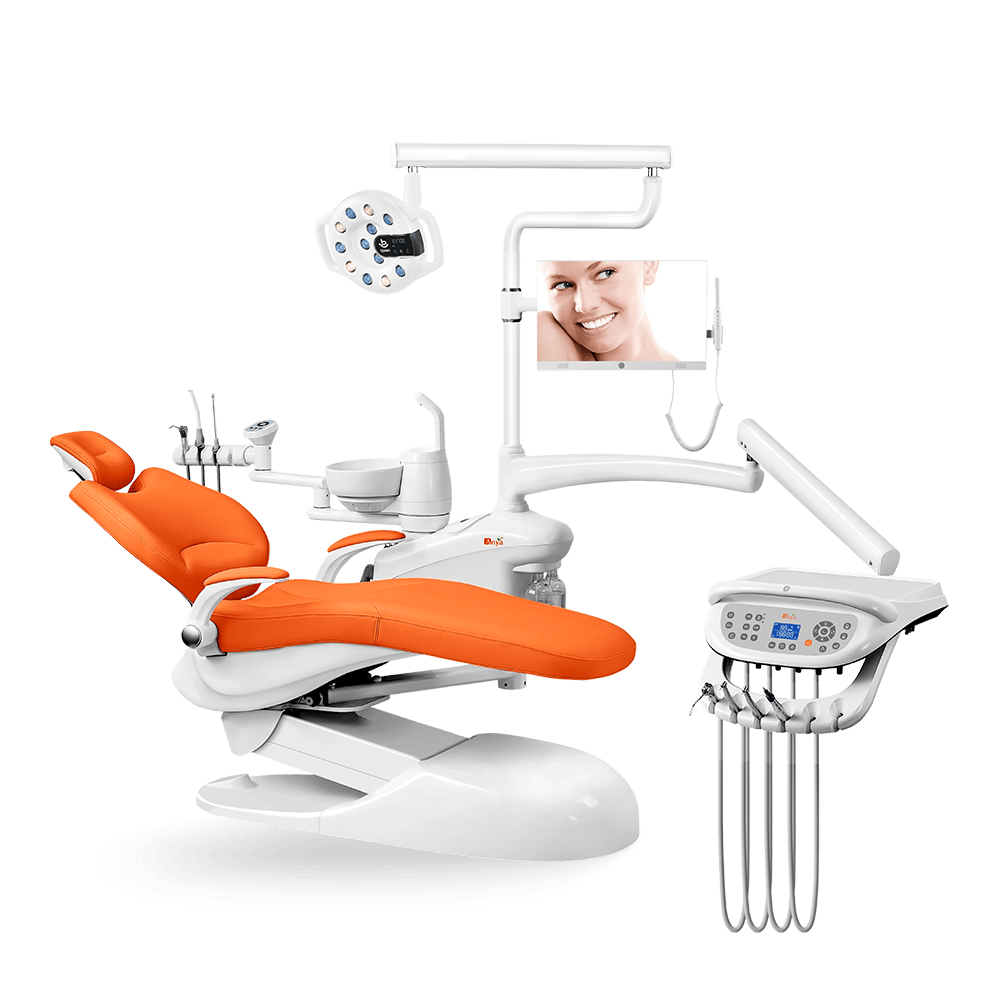
Private label dental chairs can help distributors build a recognizable local product line, but the decision is not only about placing a brand name on a chair. Once the distributor’s brand appears on the product, buyers will expect clear documents, consistent model naming, reliable spare parts identification, and practical after-sales support. Before placing a branded order, confirm exactly what can be changed, what must remain standard, and who is responsible for each document, inspection, and service step.

This guide is written for dental equipment distributors, importers, and dealers evaluating private label dental chairs. It connects with the broader OEM dental chairs guide, the dealer product-line planning article, and the supplier questions checklist. The safest rule is simple: do not assume private label scope from a catalog image or casual message. Ask the manufacturer to confirm every brand, label, document, packaging, quality-control, and service detail in writing.
What Private Label Dental Chairs Mean for Distributors
Private label dental chairs usually refer to dental chair units sold under a distributor’s own brand or model naming system, based on a manufacturer-supplied product. The scope may be narrow, such as catalog naming or carton identification, or broader, such as product labels, manuals, packaging marks, and sales documentation. The exact scope depends on the selected chair model, the manufacturer’s process, the destination market, and the written order terms.
Private label is not the same as a full design project. A distributor should separate four ideas before negotiation:
- Standard distribution: the distributor sells the manufacturer’s standard model and documents.
- Private label: the distributor asks whether brand naming, labels, documents, or packaging can reflect the distributor brand.
- OEM discussion: the distributor may discuss controlled options such as appearance, configuration, or documentation for a confirmed model.
- Custom development: deeper product changes that require formal review and should not be assumed during a normal purchase.
The practical question is not “Can we put our brand on it?” The better question is “Can this branded product be sold, installed, documented, serviced, and reordered consistently?”
When Private Label Makes Commercial Sense
Private label may make sense when a distributor wants to build a focused dental chair line for a local market. It can help sales teams present a consistent catalog, support tender or clinic-chain discussions, and protect a dealer’s market position when the same manufacturer supplies multiple regions. It can also help a distributor organize model names around local buyer needs instead of relying only on factory model codes.
However, private label creates responsibility. If the distributor’s brand is on the chair, local clinics will often contact the distributor first for installation questions, spare parts, user support, and service problems. A branded line without a parts plan or technician route can create more risk than a standard distribution model.
Before moving from standard distribution to private label, the distributor should have a clear answer to three questions:
- Which customer segment will this branded chair serve?
- Which model and configuration will become the repeatable reference?
- How will the distributor support service, documents, and spare parts after delivery?
Private Label Dental Chair Process Checklist
| Stage | What the distributor should confirm in writing | Why it matters |
|---|---|---|
| Brand scope | Whether brand name, model name, product labels, packing marks, manuals, or sales documents can be adjusted. | Prevents the buyer from assuming a logo request covers every customer-facing item. |
| Product selection | Which dental chair model is the starting platform and which configuration is being quoted. | Keeps the branded product tied to a real chair, not a vague catalog concept. |
| Artwork and naming | Logo file requirements, model naming, label text, carton marks, and approval proof. | Reduces mistakes between quotation, product label, package, and sales material. |
| Documentation | Manuals, packing lists, product sheets, technical files, and spare parts references available for the selected model. | Helps the distributor sell and support the chair without rewriting unknown technical details. |
| Local requirements | Which documents are intended for the destination market and which local checks remain the distributor’s responsibility. | Avoids treating supplier paperwork as legal or regulatory advice. |
| Approval evidence | Product photos, label proofs, packing photos, or other agreed review material before shipment. | Catches branding and configuration mismatch before the goods leave the factory. |
| Quality control | Appearance, chair movement, delivery unit, utility connections, accessories, packing, and labeling checks. | Connects private label approval with real product inspection, not only artwork approval. |
| Spare parts | How the private model name maps to factory part names, diagrams, or replacement references. | Prevents future service teams from being unable to identify parts. |
| Service route | Who receives fault reports, how technical questions are handled, and how replacement parts are requested. | Protects the distributor’s brand after installation. |
| Final sign-off | One approved specification covering model, brand use, configuration, documents, packaging, inspection, and parts references. | Creates a repeatable record for the next order. |
Standard Distribution vs Private Label vs Custom Development
| Option | Brand control | Documentation work | QC responsibility | Best fit |
|---|---|---|---|---|
| Standard distribution | Low; the manufacturer’s model identity remains visible. | Usually simpler because standard documents are used. | Distributor still checks received goods and installation readiness. | New dealers, first trial orders, or markets where service capability is still developing. |
| Private label | Higher if brand naming, labels, or packaging are confirmed. | More coordination because names, labels, cartons, and documents must match. | Distributor must check branding and product quality together. | Dealers with a repeatable product line and local after-sales process. |
| Custom development | Potentially highest, but only through a separately confirmed project. | Complex because product changes can affect documents, testing, and service files. | Requires clear engineering and inspection agreement. | Experienced buyers with technical, service, and compliance resources. |
Most distributors should not jump directly from a first conversation to a complex custom project. A controlled private label program built around one or two repeatable dental chair configurations is usually easier to sell, train, service, and reorder.
Key Risks to Confirm Before Using Your Own Brand
A private label program can fail even when the dental chair itself is acceptable. The weak points often sit around documents, naming, parts, service expectations, and local market claims.
| Risk area | What can go wrong | What to confirm |
|---|---|---|
| Brand risk | The distributor’s brand appears on a product the local team cannot fully support. | Who handles customer communication, technical escalation, and service responsibility. |
| Document risk | Manuals, labels, packing lists, or model names do not match the sales material. | Exact document set, language needs, model naming, logo use, and revision approval. |
| Quality risk | Branding looks correct, but chair movement, accessories, finish, or packing are not checked. | Inspection checklist and what evidence will be reviewed before dispatch. |
| Parts risk | Technicians cannot map the private model name to replacement parts. | Parts list, reference photos, diagrams if available, and factory part naming. |
| Service risk | End users expect local support, but the distributor has no defined troubleshooting route. | Technical contact path, service records, fault-report format, and replacement process. |
| Local-market risk | The distributor assumes documents or product claims are enough for a country or tender. | Target market, importer obligations, required review, and whether professional local advice is needed. |
Use the dental chair quality control tests, manufacturer verification, and factory audit checklist articles to turn these risks into specific review steps before approving an order.
Common Mistakes Distributors Make
- Treating private label as only a logo decision instead of a brand, document, packaging, parts, and service decision.
- Publishing product claims before the manufacturer confirms the exact wording and product scope.
- Using a private model name without mapping it to the manufacturer’s internal model and spare parts references.
- Approving a branded product photo while leaving the manual, packing list, and carton marks inconsistent.
- Choosing too many early variations, which makes training and stock planning harder.
- Skipping pre-shipment review of appearance, labels, accessories, and packaging.
- Assuming local-market requirements are solved because documents were supplied.
- Failing to define who handles customer complaints when the distributor brand is on the equipment.
Manufacturer Perspective vs Dealer Perspective
Manufacturers need clear instructions. A private label request should include the selected chair model, configuration, brand name, logo files, desired label placement, packing marks, document requests, and final approval contact. Vague requests slow the process and increase the chance of mismatch between product, documents, and packaging.
Dealers and distributors need consistency. Sales teams need a model name they can explain. Installers need the actual configuration. Service teams need parts references. Managers need to know what can be repeated in a future order. If any part of that chain is unclear, the private label program becomes fragile.
Spare Parts and Service Planning
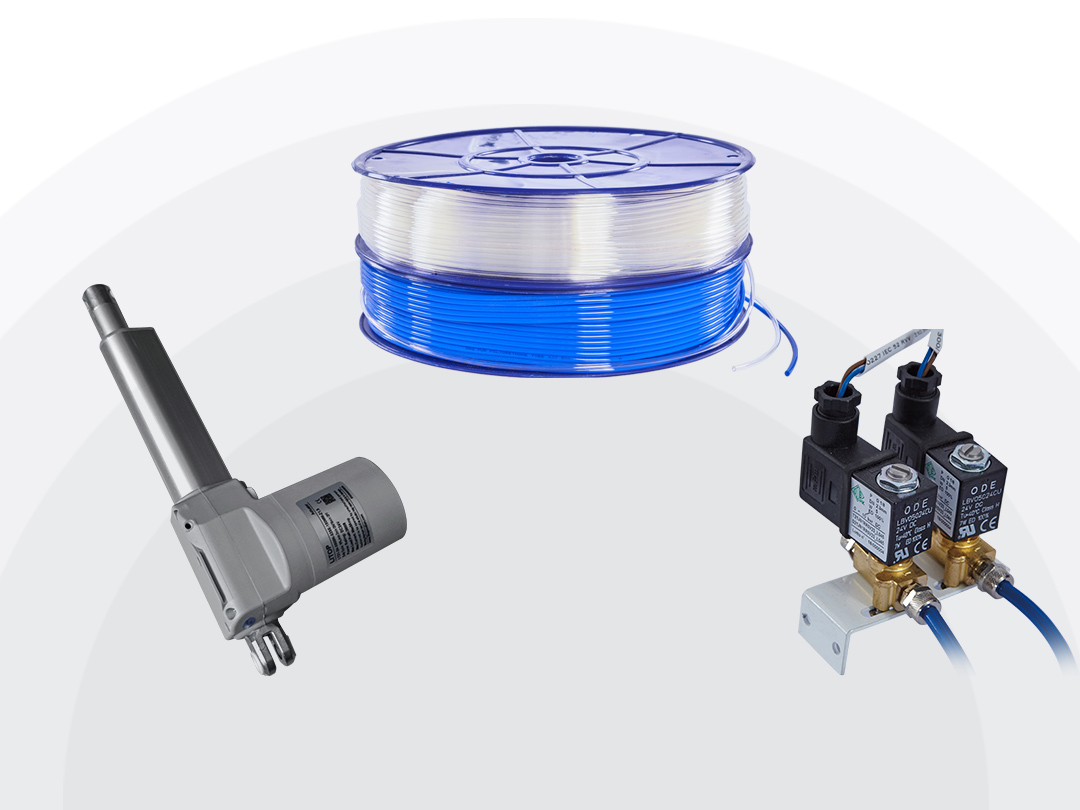
Spare parts planning is especially important for private label dental chairs because the end user may only know the distributor’s brand name. If the local technician cannot identify the original part, the private label brand suffers even when the underlying chair is serviceable.
Before launch, connect every private model name to a factory reference, product photo, configuration sheet, and parts list where available. Review spare parts availability and spare parts stock planning so the distributor knows which items may need local attention.
The distributor should also define how customer support requests will be collected. A useful service request normally includes model name, serial or order reference if available, installation date, photos or videos of the issue, fault description, and what the technician already checked. This keeps communication specific and reduces delays.
Questions to Ask Before Approving a Private Label Order
- Which dental chair model and configuration are being discussed?
- Which branding items can be changed and which must remain standard?
- What artwork, label, carton, or document proof will be reviewed before shipment?
- How will private model names connect to manufacturer references and spare parts?
- What quality-control checks apply to chair movement, delivery unit, accessories, finish, and packaging?
- Which documents are available, and which local requirements remain the distributor’s responsibility?
- How will service questions, replacement parts, and technical issues be handled after delivery?
For a wider supplier conversation, use the questions to ask a dental chair supplier guide before committing to the branded program.
FAQ
Can distributors sell dental chairs under their own brand?
Possibly, but the manufacturer must confirm the scope in writing. Brand name, product labels, packaging, documents, model naming, and service support should all be checked before the distributor assumes private label support.
Is private label the same as OEM?
Not always. Private label may involve branding an existing product, while OEM discussions can include controlled options around configuration, documents, packaging, or appearance. Define the scope before comparing offers.
What should be confirmed before private labeling dental chairs?
Confirm the base model, configuration, brand placement, document set, packing marks, inspection process, parts references, service route, local-market responsibilities, and final approval record.
Who is responsible for destination-market requirements?
That depends on the market and sales arrangement. The distributor should review manufacturer documents carefully and seek local professional advice when importer, registration, translation, or tender requirements are involved.
Why are spare parts important for private label dental chairs?
The clinic may only know the distributor’s brand, so the distributor must be able to identify parts, support technicians, and communicate clearly with the manufacturer when service is needed.
Should distributors request a review step before shipment?
Yes. The buyer should discuss what review evidence can be provided, such as product photos, label proof, packing photos, or inspection notes, and keep that evidence with the final order file.
Planning a private label dental chair program? Browse Anya’s dental chair units, then contact Anya Medical with your target market, model requirements, branding questions, and distributor support needs.