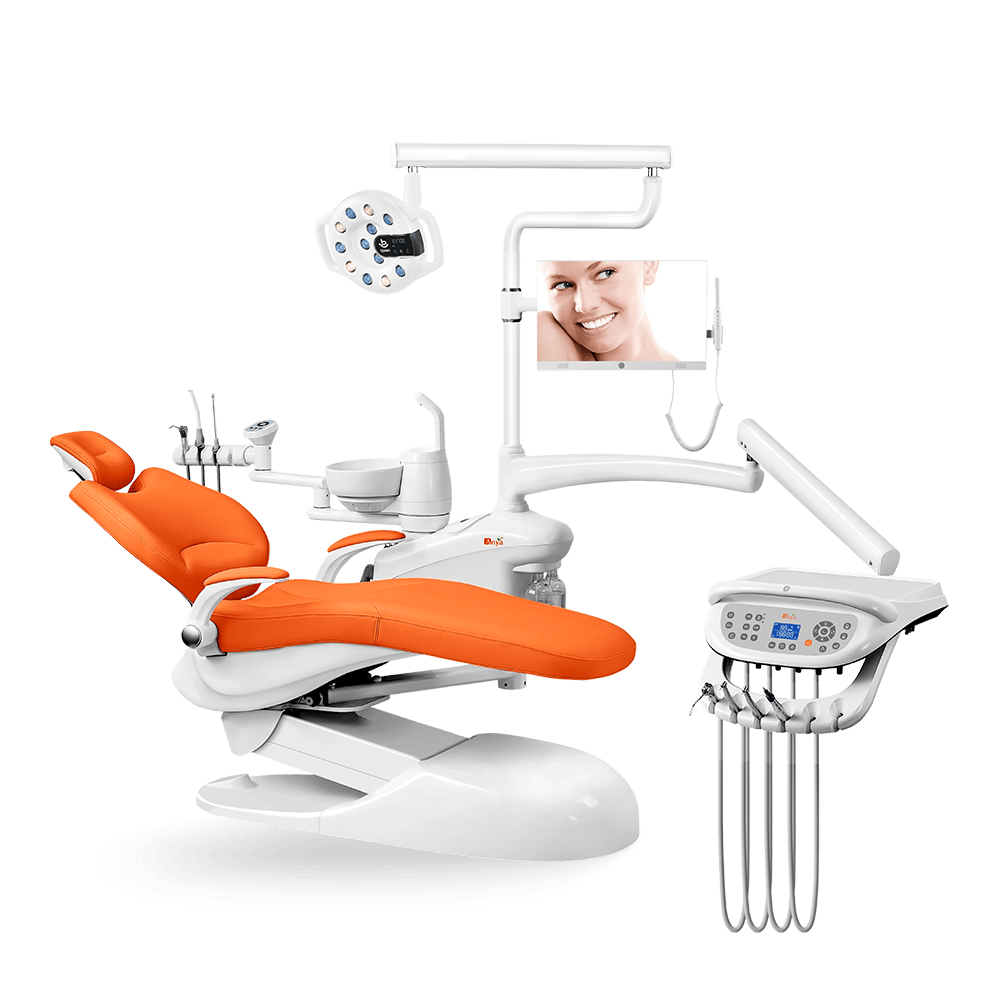
Dental chair quality control is the set of checks a buyer should ask a supplier to show across incoming parts, assembly, functional testing, final inspection, and pre-shipment review. The short answer is this: ask for the tests that match the exact model, the written records behind those tests, and photo or video proof for the chair you plan to buy. Do not rely on a general promise that “every chair is checked.”
This guide is for clinics, distributors, importers, and dealers comparing suppliers or planning a first order. If you are still screening the factory, start with how to verify a dental chair manufacturer and the factory audit checklist. If you are already at RFQ stage, use the dental chair RFQ guide to ask for model-specific QC evidence in writing.
What buyers are really trying to confirm
Most buyers are not trying to audit every factory procedure. They want to know whether the chair shipped to them will match the order, function as expected, and arrive with the right accessories and documents. That means the useful QC questions are practical: which parts were checked, what was tested on the assembled chair, how were failures handled, and which records exist for the batch you are buying?
For a product reference, browse the dental chair unit category and compare the visible configuration to the written quote. If the supplier also has a documented development flow, the CAD-to-production guide can help you understand how design control should connect to production control.
The main QC stages
Dental chair suppliers usually group QC into four stages. The details change by model, but the logic is consistent. A buyer should ask for evidence at each stage instead of one vague “final test” statement.
| QC stage | What it checks | What the buyer should ask for |
|---|---|---|
| Incoming inspection | Whether key parts, materials, and purchased components are acceptable before assembly. | Incoming inspection record, part identification, defect handling notes, and supplier traceability if available. |
| In-process inspection | Whether assembly steps and critical subassemblies are completed correctly. | Assembly checklist, line check photos, or work-in-process inspection notes. |
| Functional testing | Whether the assembled chair performs the functions that matter to the buyer. | Test checklist, video of the model in operation, and any corrective action if a test fails. |
| Final inspection and packing | Whether the chair is clean, complete, labeled, and packed for shipment. | Final inspection report, accessory check, packing photos, and shipping mark photos. |
Incoming inspection: do the parts match the order?
Incoming inspection tells you whether the supplier controls the quality of the parts before they reach the assembly line. Buyers do not need every raw-material detail, but they should know whether the factory checks obvious issues such as wrong parts, visible damage, missing labels, or mismatched components. For chair buyers, this matters because a cosmetic defect or wrong part can become a larger assembly problem later.
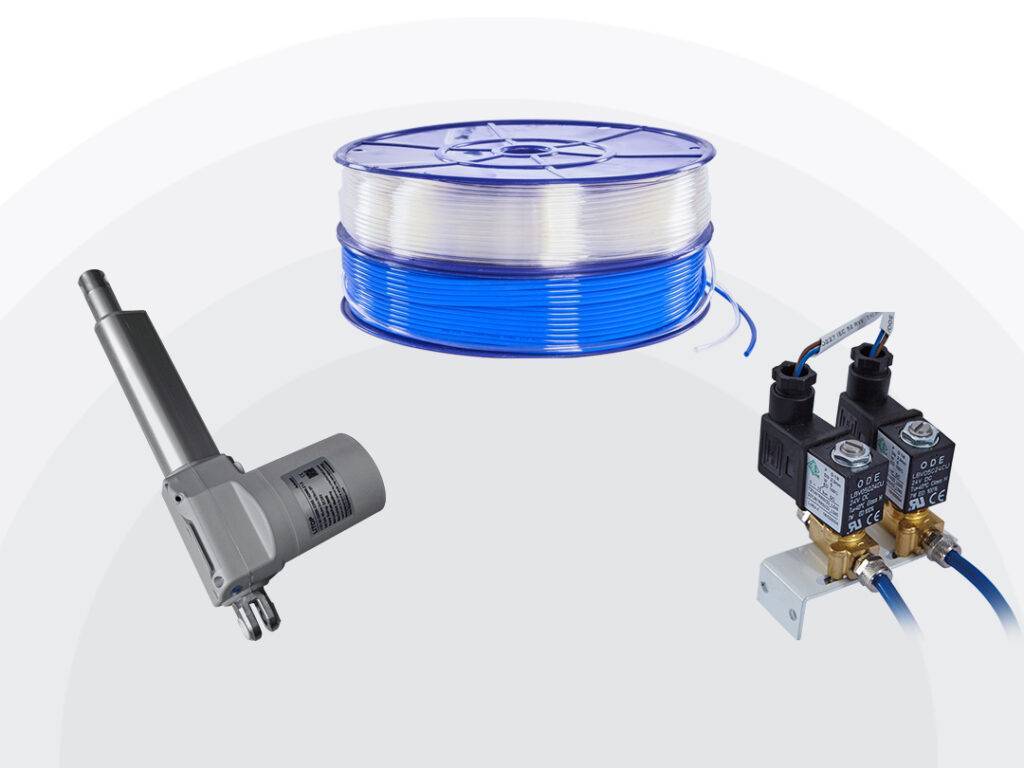
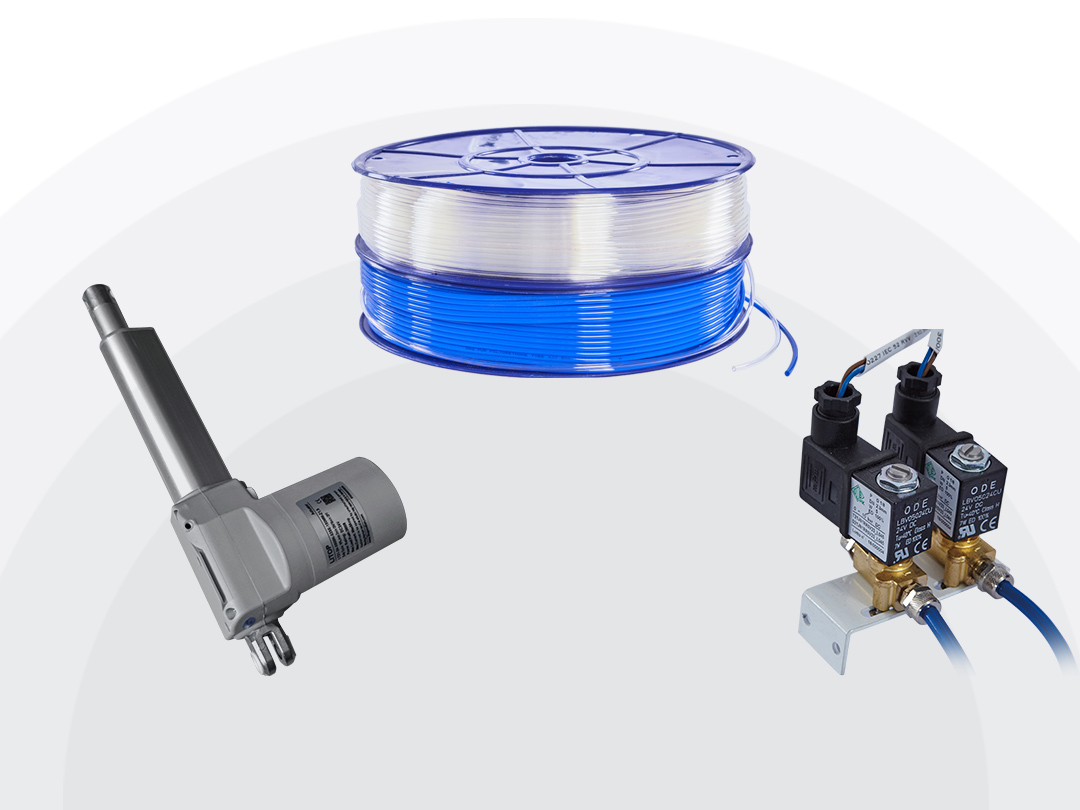
Ask the supplier what incoming parts are checked for the quoted model. Useful examples include the chair frame, upholstery, control components, tubing, motor-related parts, electrical parts, and accessories. If the supplier says some parts are bought from third parties, ask how they are identified and whether any nonconforming lot was ever rejected or reworked.
In-process checks: is the chair being built correctly?
In-process checks matter because many problems are easier to fix before the chair is fully assembled. A buyer should want to see that the supplier has a routine for checking fit, alignment, fastening, wiring, hose routing, visible finish, and assembly completeness. These checks do not need to be complicated, but they should be repeatable and written down.
This is also where model specificity matters. A supplier might have several chair lines or configuration options. The checks for a basic unit may not be the same as the checks for a chair with different delivery system options, lighting, upholstery, or armrest design. If the supplier is reluctant to show the exact model, ask for a short live video or a process photo set tied to the actual order.
Functional testing: does the chair operate as intended?
Functional testing is the stage most buyers care about, because this is where the supplier confirms that the assembled chair works as a system. The exact test list depends on the model and configuration, so avoid requesting made-up thresholds unless they are already part of your specification. Instead, ask the supplier to show what is tested and how a failure is recorded.
Typical buyer questions include whether the chair moves through its intended positions, whether controls respond correctly, whether lights and accessory systems work, whether water and air-related functions are checked where relevant, and whether any abnormal noise, leakage, or instability is observed during the test. Buyers should request a video or test sheet for the exact model rather than a generic demo clip.

Comparison of the tests buyers should expect
| Test type | Buyer concern | What good evidence looks like |
|---|---|---|
| Appearance check | Surface defects, scratches, missing parts, poor fit, or visible damage. | Inspection photos tied to the order and a short note on any correction. |
| Assembly verification | Incorrect build sequence, loose fittings, or missing accessories. | Assembly checklist with model name and sign-off by QC staff. |
| Operational test | Whether the chair functions as a usable unit, not just as a display item. | Video or report showing the chair operating during inspection. |
| Accessory check | Missing trays, hoses, controls, manuals, or optional items. | Packing list matched to actual contents before carton closure. |
| Packing review | Damage risk during transport and confusion at arrival. | Photos of protected parts, closed cartons or crates, and shipping marks. |
Buyer QC checklist
Use this checklist when reviewing a quotation, sample, or pre-shipment file. The point is not to turn the supplier into a lab. The point is to make sure the evidence matches the chair you are actually buying.
| Buyer check | What to ask for | Why it matters |
|---|---|---|
| Exact model identity | Model name, configuration sheet, and product photo of the same version. | Prevents mix-ups between similar chair lines. |
| Incoming parts control | Sample incoming inspection record or checklist. | Shows whether key parts are checked before assembly. |
| Assembly control | Assembly checklist or process photo set. | Helps confirm the chair was built in the intended sequence. |
| Functional test record | Test sheet, short video, or signed QC note for the finished chair. | Shows whether the chair was actually operated before packing. |
| Accessory verification | Packing list matched to the order and visible accessories before closure. | Reduces missing-item disputes after arrival. |
| Nonconformance handling | What happens when a defect is found and how it is corrected. | Shows whether the supplier closes problems or ignores them. |
| Pre-shipment photos | Finished chair photos, packing photos, and shipping marks. | Creates a record for transit and receipt checks. |
What to watch for in the records
Good QC records are simple, specific, and tied to the order. A document that only says “passed inspection” is weaker than a record that names the model, date, checked items, and inspector. Buyers should also look for consistency across the quote, configuration sheet, packing list, and photos. If the model name changes from one file to another, ask why before moving forward.
Be careful with claims that sound impressive but stay vague. Avoid treating broad statements about durability, electrical safety, or compliance as product-level proof unless the supplier shows the actual report, scope, or file that supports the claim. If the supplier has a formal development or production control process, use the CAD-to-production article to see how design records should connect to production evidence.
How QC connects to buyer risk
QC tests do not eliminate risk, but they reduce the chance of a preventable problem. For a clinic, the main risk is receiving a chair that needs avoidable rework, parts replacement, or delayed installation. For a dealer, the risk is broader because one weak batch can create service calls, spare parts requests, and customer trust issues. That is why QC evidence should be part of early supplier review, not just a shipment file.
If you are comparing suppliers, combine QC review with the broader sourcing steps in the trial order guide. A trial order is often the best moment to check whether the supplier’s QC promises match the real chair, the real documents, and the real packing process.
FAQ
What does dental chair quality control usually include?
It usually includes incoming inspection, in-process checks, functional testing, final inspection, and packing review. The exact steps depend on the chair model and supplier process.
Should I ask for QC photos or QC reports?
Ask for both if possible. Photos help confirm the actual chair and packing condition, while reports show what was checked and who signed off on it.
Is a supplier demo video enough to prove QC?
No. A demo video can be useful, but it should be tied to the exact order or sample unit. Ask for the matching report, checklist, or inspection note as well.
How do I know if a QC record is meaningful?
It should name the model, date, checked items, and inspector or department. A generic “approved” stamp is less useful than a specific, order-linked record.
Do all dental chair models need the same tests?
No. Different models and configurations may need different checks. A chair with different accessories, controls, or delivery options should be tested against its own configuration.
What should I do if the supplier will not share QC evidence?
Ask again in writing and request at least a model-specific checklist or pre-shipment photo set. If the supplier still will not provide basic evidence, treat that as a warning sign and review the order more carefully.
Need model-specific QC evidence for your order? Reach out through the contact page and ask for the inspection records, test photos, and packing details for the dental chair you plan to buy.