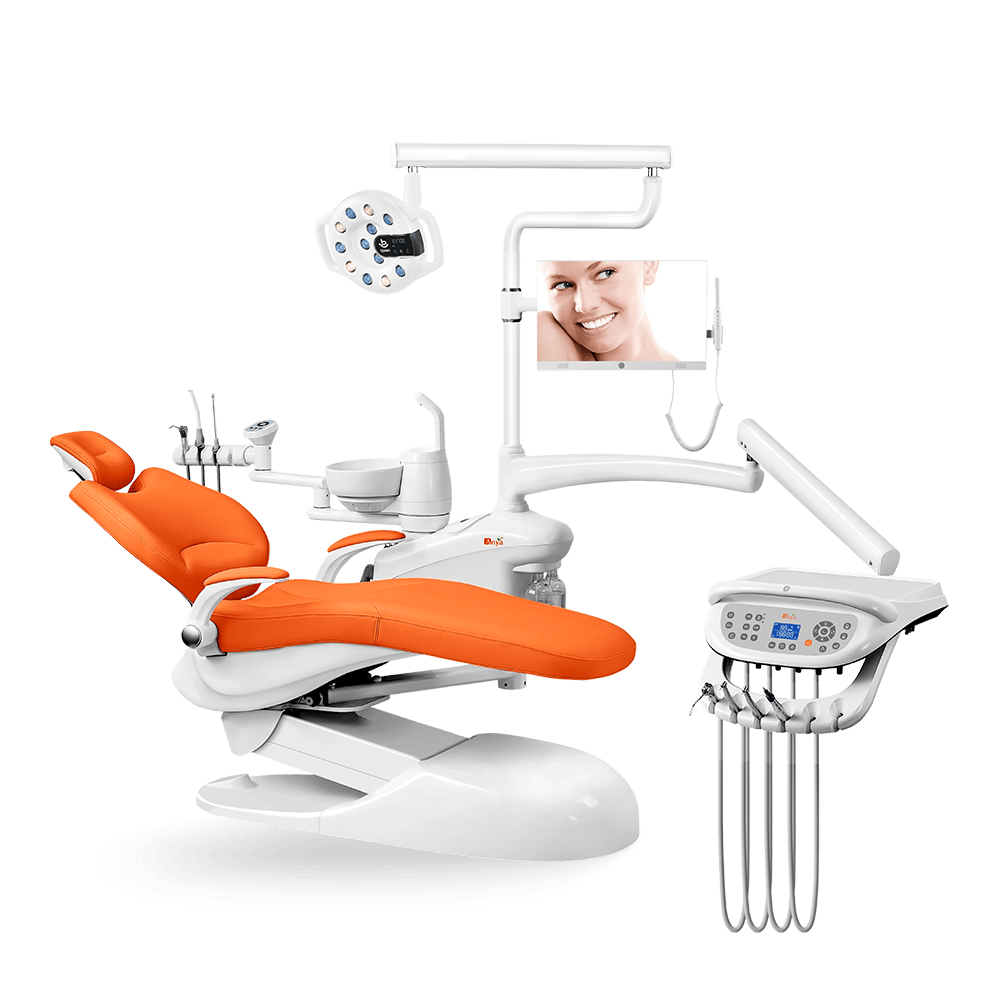

Dental chair engineering should be reviewed as a buyer-control process, not as a vague claim about advanced design. A clinic, dealer, or distributor needs to know whether the chair configuration, CAD confirmation, materials, quality checks, documents, packing, installation requirements, and service plan match the actual order. The practical question is simple: can the supplier show enough model-specific evidence for the buyer to approve the order with fewer blind spots?
Use this article with the dental chair quality control tests, factory audit checklist, manufacturer verification guide, dental chair RFQ guide, and dental chair unit category.
Start With the Exact Chair Configuration
A useful engineering review starts with the intended operatory and written configuration. Confirm the chair model, delivery style, assistant side, light, cuspidor or bowl area, stool, upholstery, voltage assumptions, water and air requirements, suction plan, optional accessories, and destination market. If a distributor plans repeat orders, keep the same configuration names across quotes, invoices, packing lists, product photos, and service files.
| Engineering Area | Buyer Check | Evidence to Request |
|---|---|---|
| Room fit | Chair movement, recline clearance, service access, and utility location | Installation drawing, room checklist, or model dimensions |
| Configuration | Delivery unit, assistant unit, light, controls, bowl, stool, and accessories | Itemized quote and configuration sheet |
| Materials | Upholstery, covers, hoses, structural parts, and cleaning guidance | Manual, material notes, and maintenance instructions |
| Quality checks | Movement, controls, light, water and air functions, appearance, and packing | QC checklist, photos, videos, or inspection report |
| Serviceability | Parts identification, technician route, warranty process, and documentation | Parts list, warranty terms, and support contact path |
How CAD Review Helps Procurement
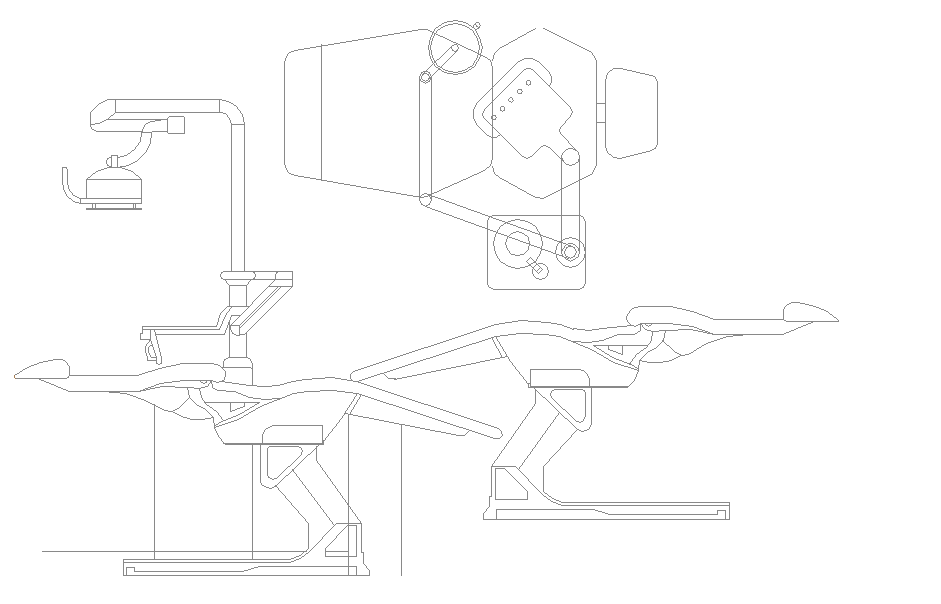
CAD drawings and configuration records can help buyers review how the patient chair, delivery arm, light, monitor mount, water and air lines, cable routes, and service panels fit into the planned room. The value is not a universal design promise. The value is catching conflicts before production, packing, or installation: limited clearance, awkward reach, blocked service panels, unsupported accessories, or room utilities that do not match the selected model.
For a single clinic, the CAD or dimension review supports room preparation. For a dealer or project buyer, it also creates a repeatable file that technicians and sales teams can use when the same model is quoted again. If the buyer requests changes, the supplier should confirm whether the change affects lead time, documents, service access, spare parts, or warranty scope.
Quality Checks Before Shipment
Quality control should be tied to the written order. Ask which checks are performed for the selected model, which checks are documented, and what evidence the buyer can review before final approval. Do not accept a general statement when the order includes specific accessories, color, voltage, delivery configuration, or packing requirements.

- Match model name, configuration, accessories, labels, and packing list before approval.
- Request function evidence for movement, controls, light, water, air, suction-related items, and visible finish where relevant.
- Review certificate or declaration copies for model scope, legal entity, issuer, date, and destination-market relevance.
- Connect inspection approval to the pre-shipment inspection checklist before container loading.
Engineering Questions for an RFQ
The RFQ should make engineering and service expectations visible before price comparison. Include room conditions, target procedure mix, required configuration, destination country, document needs, packing expectations, spare parts, support route, and acceptance evidence. This prevents a buyer from comparing two quotes that describe different products.
| Question | Why It Matters |
|---|---|
| Which exact model and configuration are quoted? | Prevents catalog photos from replacing the purchase specification. |
| Which installation drawings or utility requirements apply? | Helps the buyer prepare room, air, water, suction, drainage, and electrical services. |
| Which documents are available for this model? | Supports importer, tender, dealer, and clinic handover review. |
| Which parts are standard, optional, or not available? | Controls service and repeat-order risk. |
| Which inspection records can be shared before shipment? | Gives the buyer an approval checkpoint before balance payment or loading. |
Buyer Acceptance Checklist
- The delivered chair, accessories, documents, and packing marks match the written order.
- The clinic or dealer has installation, operation, cleaning, and maintenance instructions for the exact model.
- The supplier has a clear route for warranty questions, spare parts, technical support, and qualified service.
- The buyer has kept photos, inspection notes, invoice, packing list, and support contacts in one purchase file.
Common Engineering Review Mistakes
The most common mistake is treating engineering language as a substitute for proof. Buyers should not approve a chair only because the supplier mentions design, CAD, testing, or durable materials. Each claim should connect to a model, configuration, document, inspection record, service route, or acceptance step. Another mistake is reviewing the chair alone while ignoring utilities, compressor, suction, drainage, room clearance, and local technician support.
For dealers, a weak engineering review often becomes a support problem later. If the same model is sold into several clinics, the dealer should standardize the configuration file, installation notes, spare-parts list, warranty process, and inspection evidence. This keeps sales, service, and repeat orders aligned.
FAQ
What should buyers check in dental chair engineering?
Buyers should check the exact model, configuration, room fit, utility needs, materials, quality-control evidence, documents, packing, installation requirements, warranty scope, spare parts, and service route.
Is CAD review useful for a dental chair purchase?
Yes, when it helps confirm dimensions, clearance, delivery-arm reach, utility routing, and service access for the selected model. It should be connected to the written configuration and installation plan.
Which quality evidence should a supplier provide?
Useful evidence can include a model-specific checklist, photos, short videos, packing records, document copies, serial or label records, and issue notes where correction was needed.
Good dental chair engineering is visible in the order file. Review Anya Medical’s dental chair unit options, then use the request quote page to send room details, configuration requirements, documentation questions, and destination-market needs.