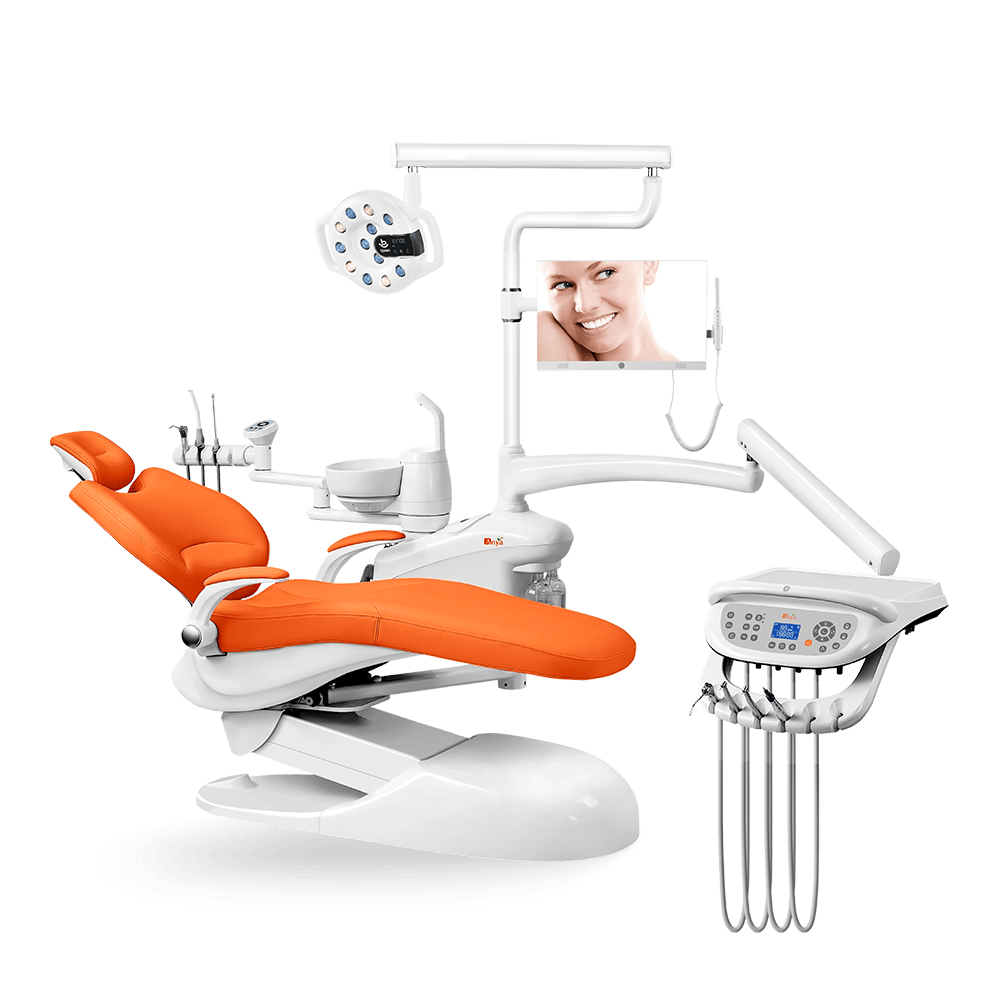



When a clinic compares dental chair options, the design-to-production process matters because it affects installation planning, service access, documentation, and the ability to verify what is being supplied. This guide explains the questions a buyer can use to review a dental chair from early design through delivery. Features, documentation, maintenance intervals, and market requirements should always be confirmed for the exact model and destination market.
Start With the Intended Dental Chair Configuration
A useful engineering review starts with the operatory, not a generic specification sheet. Document the treatment type, patient access needs, delivery-system configuration, lighting, suction and utilities, cleaning workflow, room dimensions, installation access, and the service space needed after installation. These requirements give the supplier a clear basis for confirming which configuration, accessories, utility connections, and installation documents apply.
- Confirm the selected chair model, delivery configuration, and included accessories in writing.
- Request the utility, floor, clearance, and installation requirements before the room is prepared.
- Identify who will install, train the clinic team, and provide service after commissioning.
- Keep the model manual, warranty terms, and applicable destination-market documents with the equipment record.
How CAD Review Supports a Practical Chair Design
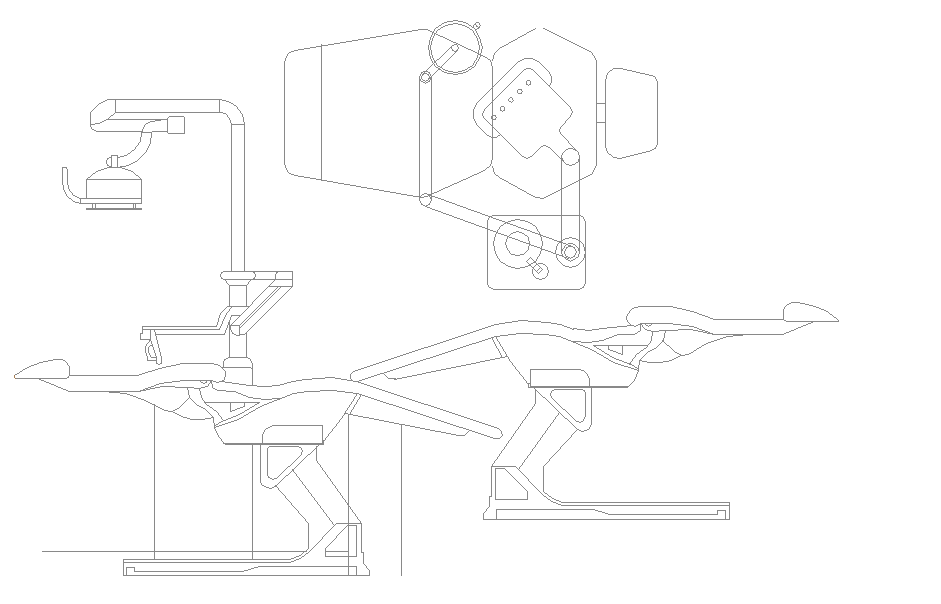
CAD drawings and configuration records can help a buyer review how the patient chair, delivery arm, light, monitor mounting, cuspidor, suction, and service panels fit within the planned room. The value is not a claimed universal tolerance or clinical outcome. It is the opportunity to identify clearance conflicts, reach requirements, cable or hose routing, access to service points, and delivery positions before equipment is packed and installed.
Ask the supplier which drawings or configuration confirmation can be provided for the selected model. The review should state what is included, what is optional, which dimensions are installation-critical, and whether a requested change affects compatibility, lead time, documentation, warranty coverage, or future service.
From Prototype Review to Production Release
Before a production order is released, the buyer should have a written configuration that can be checked again at delivery. A supplier may use drawings, prototypes, samples, or internal production records as part of its own process, but a clinic should not assume that every design step or test applies to every product. The practical question is whether the delivered equipment matches the agreed model, options, documentation, and intended installation.
- Ask for an order confirmation that identifies the model, configuration, finish, accessories, and any approved changes.
- Ask how changes are recorded and who must approve them before production or shipment.
- Confirm the expected packing list, serial-number process, installation instructions, and handover materials.
- For a distributor or project purchase, keep the agreed specification and revision history with the purchase file.
Materials, Components, and Service Access
Material and component choices should be reviewed in the context of the selected chair, its intended use, the clinic cleaning process, and the service environment. Buyers can ask how patient-contact surfaces, upholstery, covers, hoses, electrical components, water and air paths, and structural parts are identified in the model documentation. Compatibility with cleaning products, scheduled maintenance, consumables, and replacement parts must follow the instructions supplied for that model.
Serviceability is also a procurement issue. Confirm which routine checks are assigned to the clinic team, which work requires qualified service personnel, how replacement parts are identified, and what information a service request should include. Do not rely on a generic claim about lifetime, repair rate, predictive maintenance, or universal parts availability when evaluating a specific chair.
Quality Checks and Documentation to Request
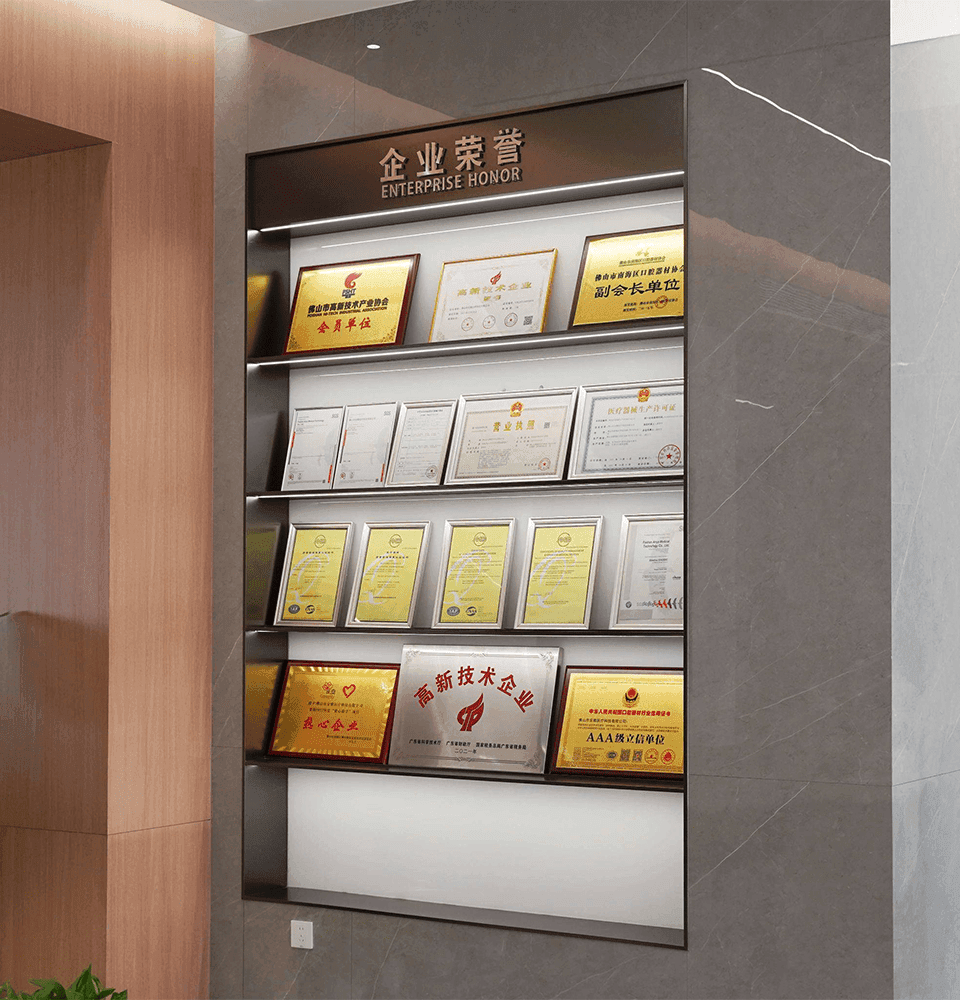
Quality documentation should be checked against the exact model, configuration, and destination market. A document image or general statement on a website is not by itself proof that a particular chair, accessory, or shipment has the required documentation. Ask the supplier to identify the document, the product scope, the issuing body where relevant, the validity or revision, and any conditions that apply to installation or use.
| Buyer review item | What to confirm |
|---|---|
| Configuration record | Model, options, accessories, and approved changes match the order. |
| Model manual | Installation, operation, cleaning, maintenance, warnings, and service boundaries are available for the delivered chair. |
| Market documentation | Any declaration, registration, certification, or electrical document is applicable to the exact product and destination market. |
| Inspection or handover record | The supplier explains what was checked before shipment and what must be checked during installation. |
| Warranty and parts process | Contact route, covered scope, consumables, replacement-part identification, and service responsibilities are clear. |
Factory Acceptance, Delivery, and Installation Planning
Before shipment, agree on what the clinic or distributor needs to verify at handover. This may include the serial number, packed configuration, visible condition, manuals, utility requirements, installation checklist, and service contact. At delivery, compare the equipment and accessories with the order confirmation before installation begins. Record any discrepancy while the packing, labels, and equipment condition can still be reviewed together.
Installation should follow the instructions for the selected system and local site conditions. Utility connections, electrical work, anchoring, waterline procedures, commissioning, calibration, and any safety checks must be performed by the appropriate qualified personnel where required. A generic online article should not replace the model manual or the installation team’s instructions.
Serviceability After Installation
After commissioning, maintain an equipment record with the chair model, serial number, configuration, manuals, service contacts, warranty information, and maintenance history. The clinic team should follow only the cleaning, inspection, and user-service tasks stated in the applicable instructions. Electrical work, hydraulic work, internal fluid-path work, calibration, firmware changes, and other restricted procedures should be routed through the approved service process for the exact equipment.
Buyer Acceptance Checklist
- The delivered model, configuration, accessories, and serial-number record match the written order.
- The clinic has the applicable installation, operating, cleaning, and maintenance instructions.
- Any destination-market documentation has been checked for product scope and current applicability.
- The installation team has confirmed room utilities, clearances, and service access.
- The supplier has provided a clear route for training, warranty questions, replacement parts, and qualified service.
Conclusión
A sound dental chair purchase is supported by a model-specific configuration, clear documentation, practical installation planning, and a defined service process. Review available dental chair unit options against the requirements of the intended operatory, then contact Anya Medical with the room plan, required configuration, and destination market so the relevant documentation and support scope can be confirmed.