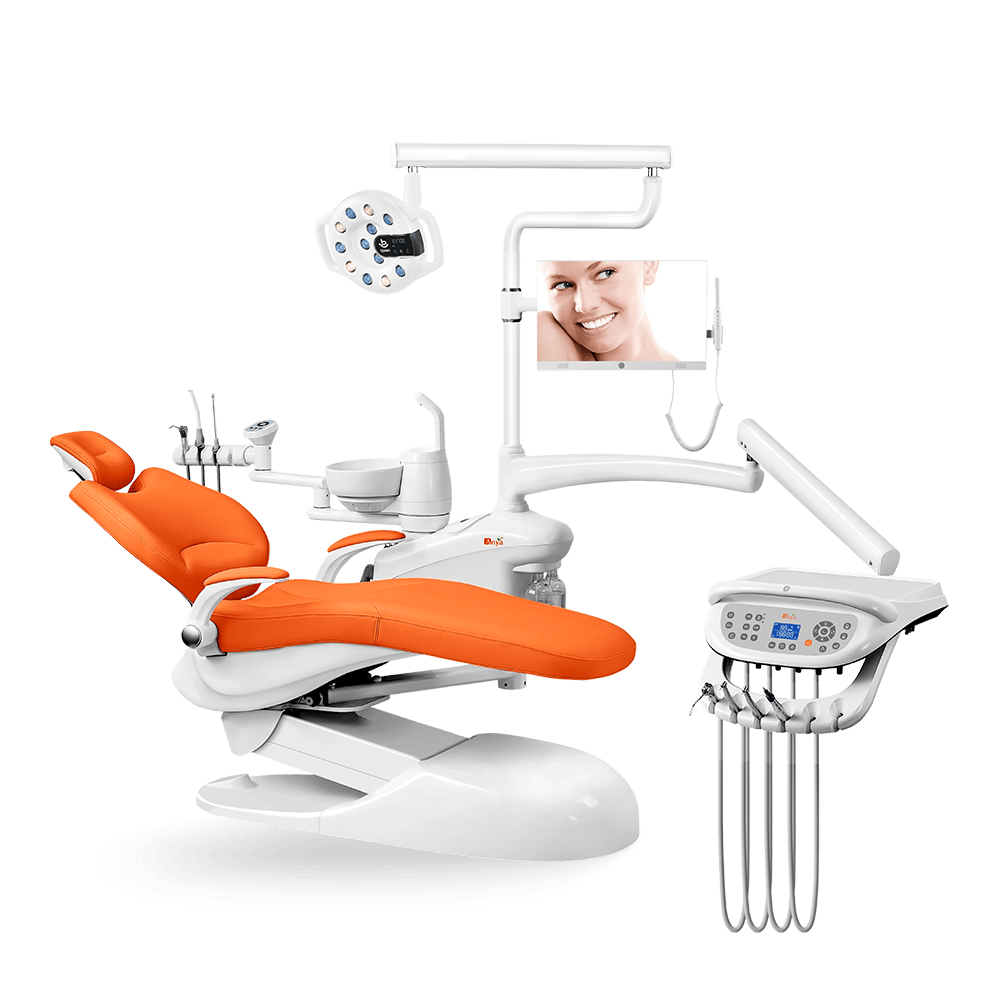
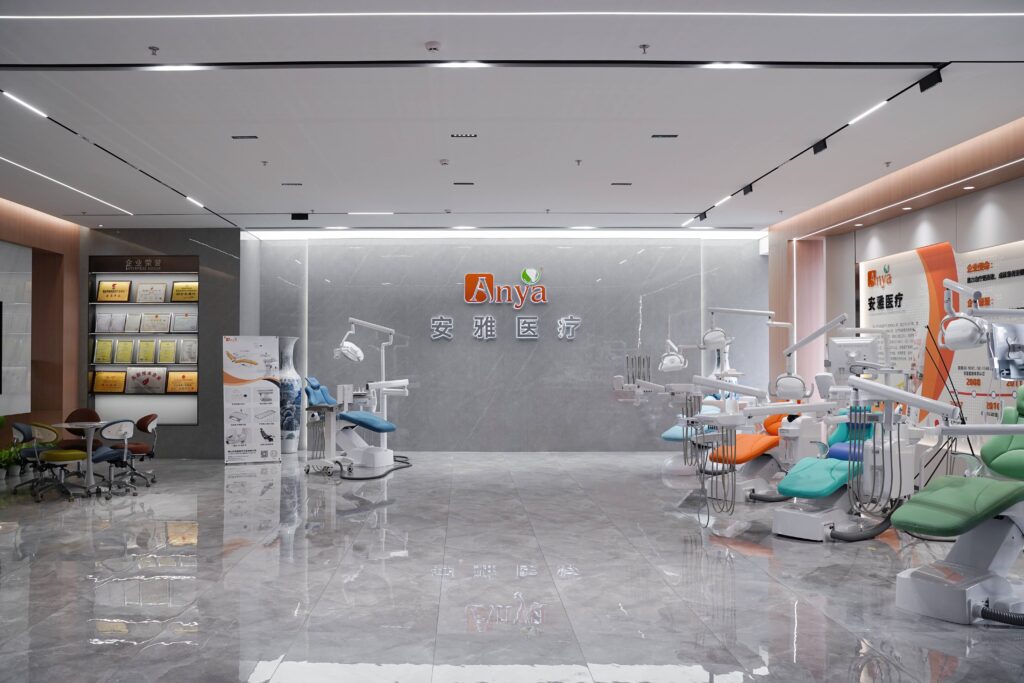
A dental chair trial order should test the distributor’s full workflow, not just whether one chair looks acceptable in photos. A useful trial order checks configuration accuracy, documents, packing, shipping condition, installation, technician feedback, spare-parts identification, warranty response, and customer demo reaction before larger orders are placed.
If you are still choosing which chair family belongs on the shortlist, review the best dental chair guide first, then use the dental chair RFQ guide to compare suppliers on the same scope.
Use this checklist after manufacturer verification and the dental chair RFQ guide, then connect the result to pre-shipment inspection, shipping, and dealer product-line planning.
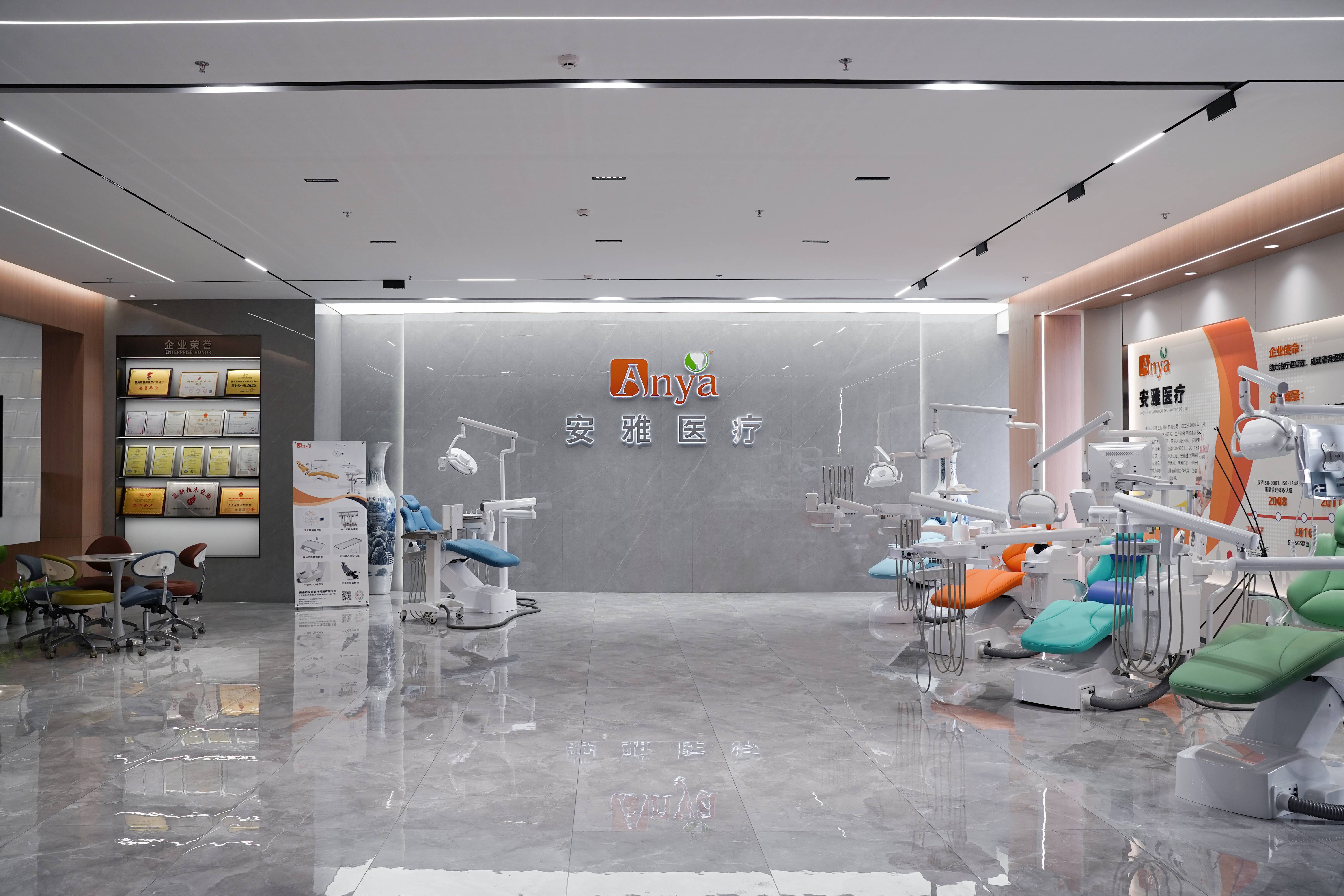
What a Trial Order Should Prove
A trial order should answer practical questions. Did the supplier send the model and configuration that were quoted? Did the documents match the shipment? Was the packing appropriate for the route? Could the local team install and test the chair? Could technicians identify parts? Did the supplier answer service questions clearly? Did clinics understand the value of the model?
| Trial Objective | What to Test | Evidence to Keep |
|---|---|---|
| Model accuracy | Chair model, color, delivery unit, light, suction, assistant unit, and accessories | Quote, invoice, configuration sheet, photos, and label images |
| Documentation | Manuals, labels, warranty terms, packing list, and certificate copies where applicable | Document folder and broker or compliance notes |
| Packing and transport | Carton condition, marks, internal protection, missing items, and arrival damage | Pre-shipment photos, arrival photos, and delivery notes |
| Installation and function | Utility fit, movement, controls, water, air, suction, light, and delivery unit | Technician checklist, videos, and issue log |
| Support process | Parts identification, warranty questions, technician support, and escalation path | Parts list, support messages, and service notes |
Decide the Trial Scope
Do not treat trial scope as a universal quantity. A distributor may test one unit or a small pilot order depending on budget, freight economics, supplier terms, destination-market requirements, and sales plan. The important point is that the trial should test the model and options most likely to become the standard catalog reference.
If the distributor plans several configurations, the trial should still be controlled. A rare custom version may serve one customer but may not teach enough about the standard line. Use the supplier questions checklist before selecting the trial configuration.
Pre-Shipment and Document Checks
Pre-shipment review is the first trial test. Ask for photos and documents before final approval if that is part of the written agreement. Confirm model name, color, voltage assumptions, accessories, stool, light, delivery system, optional items, manuals, labels, warranty terms, and packing list. For document preparation, use the import documents checklist and the CE, ISO, and FDA document review where relevant.
Arrival, Installation, and Function Testing
When the trial unit arrives, record the condition before installation. Keep exterior packaging photos, shipping marks, internal packing photos, and visible issue notes. Then test installation and basic functions with the local technician or service team. A trial order should reveal whether the model is practical to install, explain, service, and support in the target market.
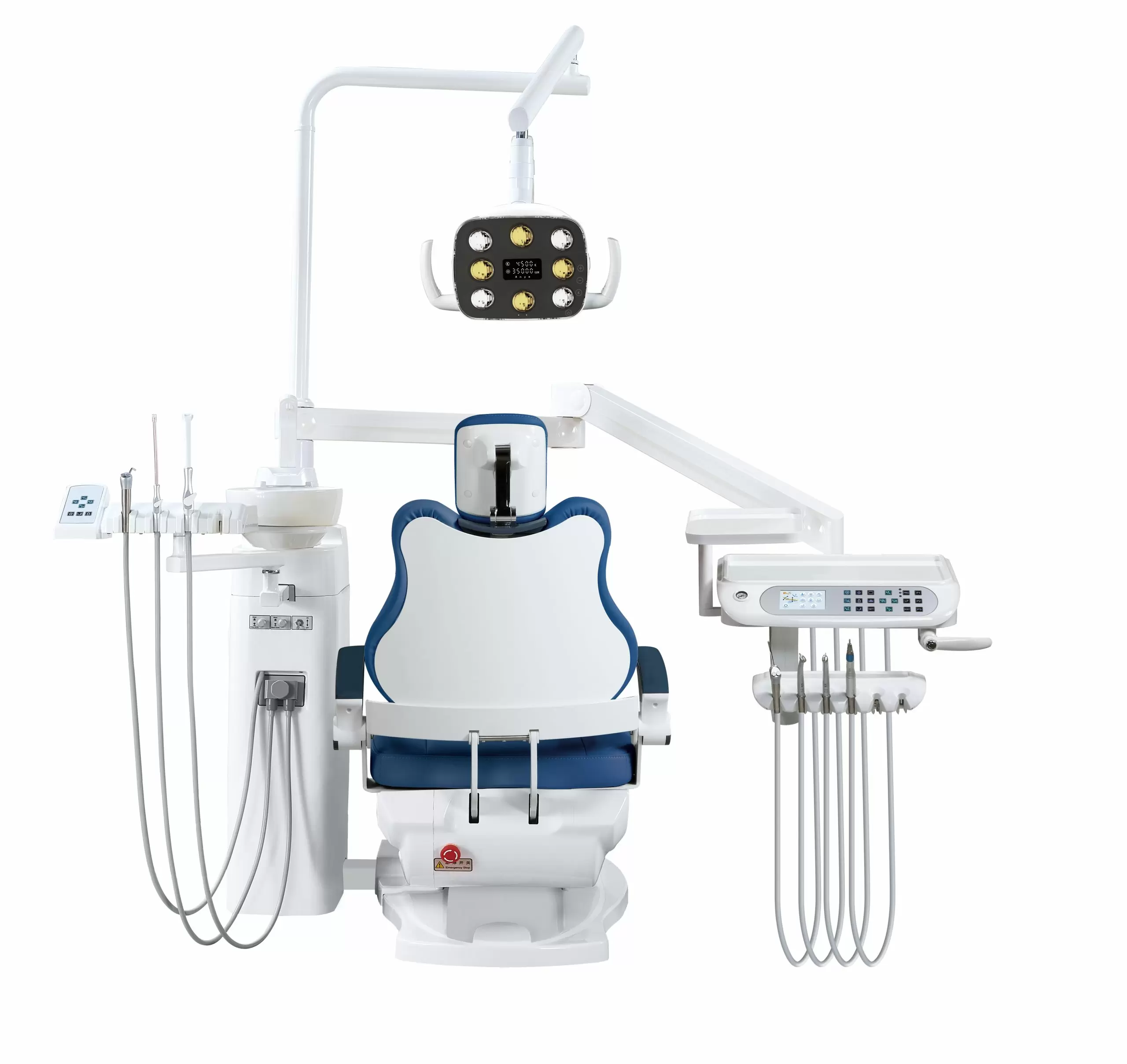
- Match delivered accessories and labels with the quotation and packing list.
- Check room utilities, movement, controls, light, water, air, and suction-related functions.
- Record technician feedback about access, assembly, service panels, and common parts.
- Use the installation cost guide to separate local labor and site-preparation scope.
Spare Parts, Warranty, and Reorder Decision
A trial order should test after-sales process while the risk is still controlled. Ask the supplier to identify common wear parts, part numbers, replacement route, warranty evidence, response channel, and escalation path. If the distributor cannot identify parts or explain warranty boundaries during a trial, the problem may grow after multiple installations.
End the trial with a decision: approve, revise, retest, or pause. Approve only when the model, documents, packing, installation, spare parts, warranty route, and customer feedback support the next order. Use the spare parts availability guide and warranty terms checklist before scaling.
Common Trial Order Mistakes
- Testing a rare custom configuration instead of the model the distributor plans to sell repeatedly.
- Checking product appearance but ignoring documents, packing, installation, and parts support.
- Skipping pre-shipment inspection evidence before the trial unit leaves the supplier.
- Letting demo feedback replace technician feedback and service notes.
- Approving a reorder before warranty, spare parts, and support routes are written down.
FAQ
What should a dental chair trial order test?
It should test model accuracy, documents, packing, shipping condition, installation, function checks, technician feedback, spare-parts identification, warranty response, and demo feedback.
Is one sample enough before volume orders?
One sample can reduce uncertainty, but it should not be treated as proof of future volume performance. Use it to find practical support and documentation gaps before scaling.
When should a distributor pause a supplier relationship?
Pause when model details, documents, packing evidence, payment milestones, spare parts, warranty terms, or support answers remain unclear after reasonable follow-up.
Preparing a dental chair trial order? Send Anya Medical your target market, model shortlist, room requirements, document needs, and support questions through the request quote page.