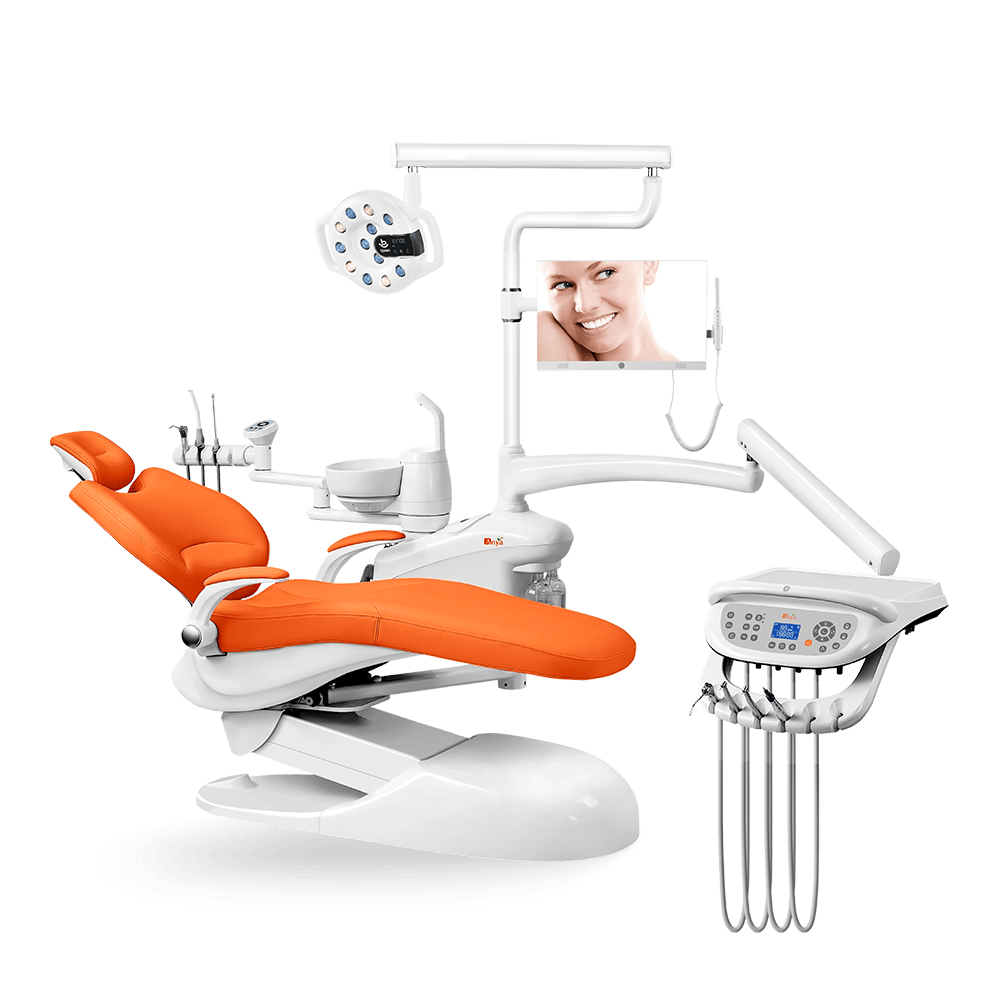
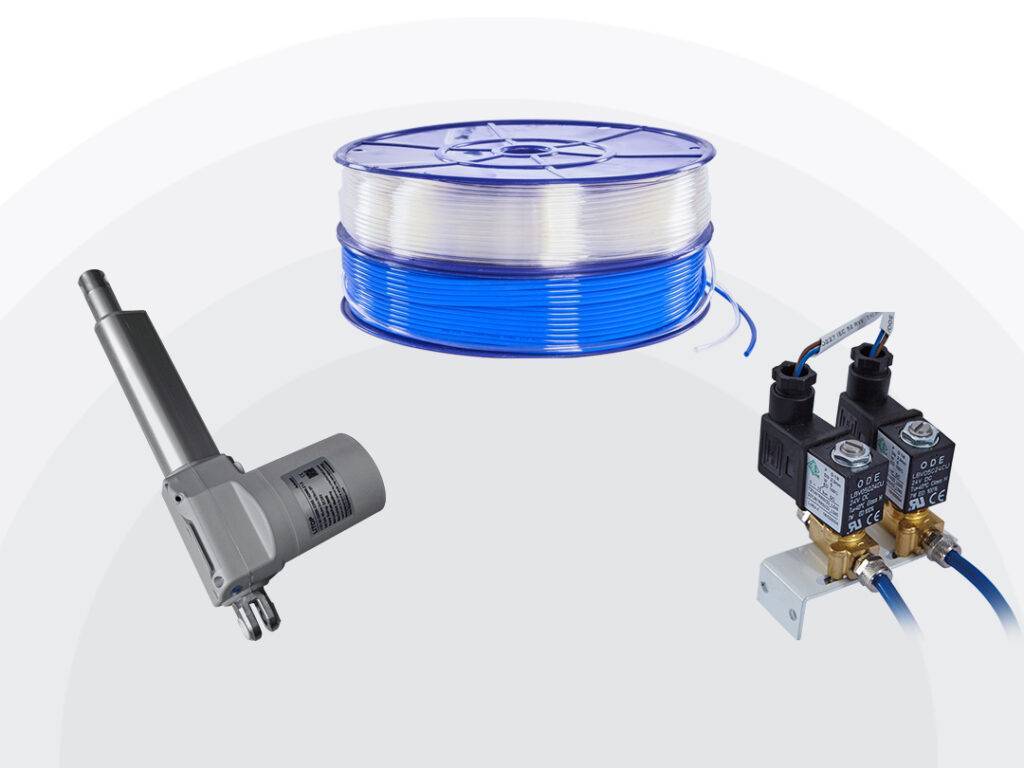
Dental chair spare parts availability is one of the most important after-sales questions a dealer should ask before representing a manufacturer. A chair can look attractive in a quotation, but the dealer’s reputation depends on what happens months later when a clinic needs a valve, hose, switch, control panel, upholstery component, foot control, or model-specific accessory. Dealers should request a current, model-specific spare parts plan before committing to a product line.
Review this page with the warranty terms checklist, dealer spare parts stock guide, service manual and training guide, technical support guide, and RFQ guide.
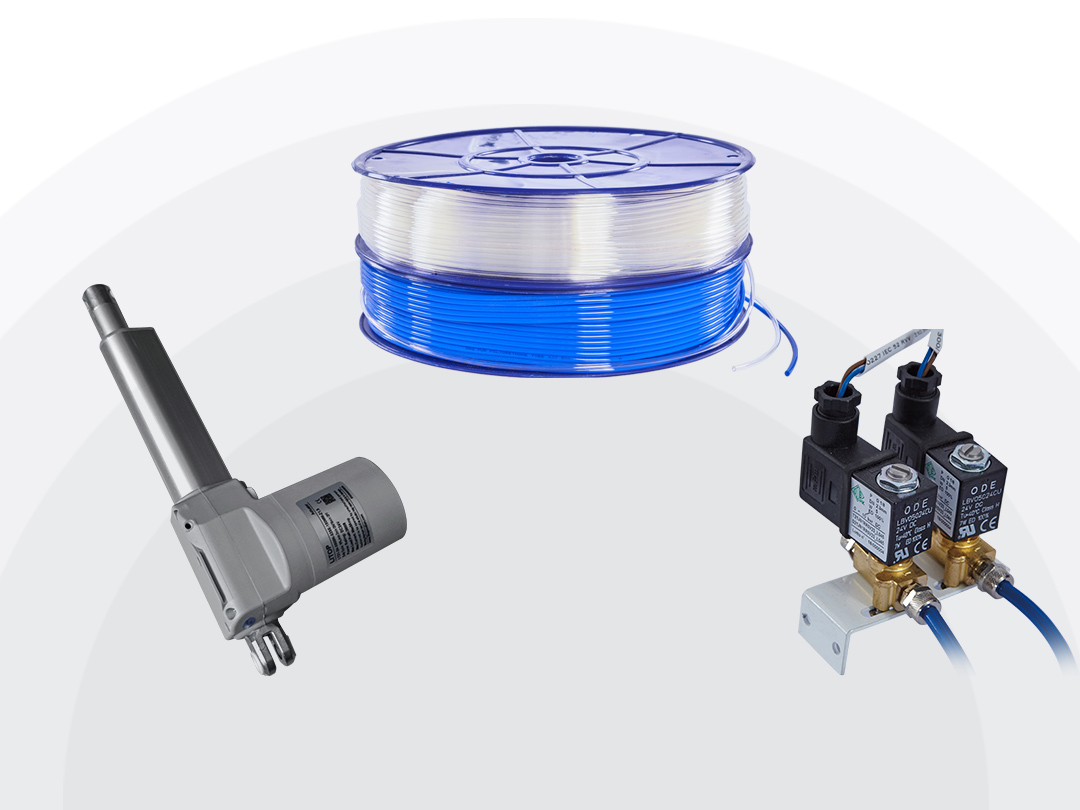
This guide is written for dental equipment dealers, distributors, and procurement teams that need to support installed dental chairs over time. It complements the dental chair warranty terms guide, but the focus here is different: what should a dealer require so clinics can actually get the right parts when service is needed? A dental chair spare parts availability review should happen before the dealer places a trial order, not after the first clinic service call.
Why Spare Parts Availability Matters
For a clinic, an unavailable part can mean canceled appointments, frustrated patients, and pressure on the local dealer. For a dealer, unavailable parts can turn a profitable product line into a service problem. The issue is not only whether a supplier has parts today. Dealers also need to know how parts are identified, how compatibility is checked, how quickly common items can be shipped, how discontinued revisions are handled, and which support channel helps technicians diagnose the issue.
A strong spare parts plan gives the dealer a repeatable process. It does not mean every part is always on the shelf, but it reduces guesswork. The dealer knows which items to keep locally, which items to order from the manufacturer, which photos or serial numbers to collect from the clinic, and how warranty and paid parts requests are separated.
Core Spare Parts Categories
Dealers should separate consumables, wear parts, service components, electrical components, and larger assemblies because each category has different stocking logic and warranty treatment. The exact categories depend on the dental chair model and configuration, so treat the table below as a planning structure rather than a universal parts list.
| Category | Examples to discuss | Dealer check |
|---|---|---|
| Consumables and routine items | Filters, seals, small tubing, O-rings, water bottle items, and other routine service materials. | Confirm which items are consumables and whether they are excluded from warranty. |
| Wear and contact parts | Handpiece tubing, suction tubing, upholstery covers, armrest parts, bottle connectors, and pads. | Check color, size, model, material, and replacement instructions. |
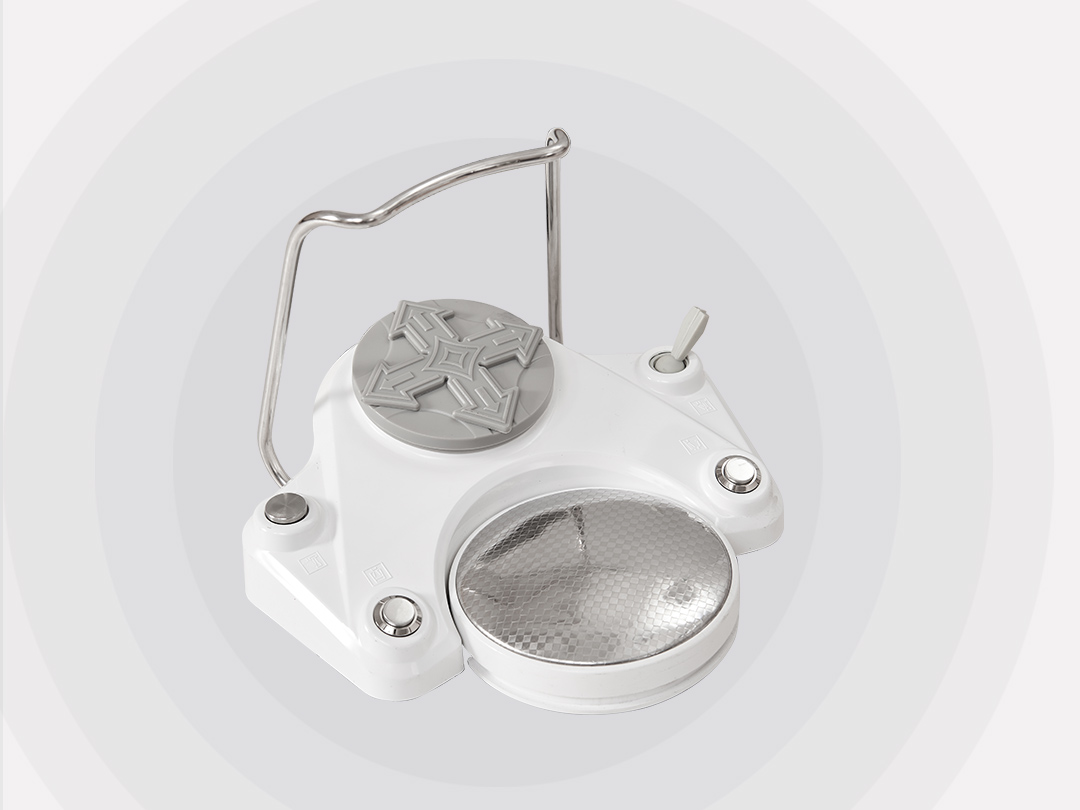
| Control and user-interface parts | Foot control, control panel buttons, switches, sensors, membrane panels, and wiring harnesses. | Verify voltage, connector type, model revision, and technician skill required. |
| Water, air, and suction components | Valves, regulators, solenoids, connectors, suction parts, air-water syringe items, and tubing sets. | Match part numbers to the configuration and check local water or air quality requirements. |
| Major assemblies | Delivery unit modules, assistant unit parts, light arms, spittoon assemblies, motors, boards, and chair-frame items. | Confirm diagnosis process, lead time, warranty boundary, and installation instructions. |
What Suppliers Should Provide Before Purchase
A supplier’s spare parts answer should be more specific than “parts are available.” Dealers should ask for documents and processes that help their service team identify and order the correct item. The most useful package usually includes a model-specific parts list, part numbers, photos or diagrams, compatibility notes, recommended dealer stock categories, ordering procedure, and after-sales contact path.
| Requirement | Why dealers need it | Safe wording for RFQ |
|---|---|---|
| Model-specific parts list | Prevents ordering parts for the wrong chair series or revision. | Please provide the current spare parts list for the quoted model and configuration. |
| Part numbers and photos | Helps service teams identify components without relying on vague names. | Please include part codes, images, and compatibility notes where available. |
| Exploded diagram or service view | Shows where parts sit in the chair and which assemblies are related. | Please provide diagrams or service documentation for dealer technician review. |
| Recommended dealer kit | Helps dealers decide what to keep locally for the first installed units. | Please recommend initial spare parts categories for our expected installed base. |
| Lead-time and ordering process | Sets expectations for local service response and customer communication. | Please explain stock status categories, order process, and estimated replacement timing. |
| Warranty boundary | Separates defective components from consumables, misuse, installation issues, and normal wear. | Please identify which parts are covered, excluded, or handled as paid replacements. |
These requirements can be added to the dental chair RFQ guide so the spare-parts discussion happens before payment. They also belong in the dealer’s supplier review process alongside manufacturer verification and the factory audit after-sales checklist.
Build an Initial Dealer Spare Parts Kit
A practical stocking plan starts with installed base, service history, failure impact, lead time, and local customer expectations. Do not copy a universal quantity from another market. A dealer supporting two chairs in one city has different needs from a distributor supporting dozens of clinics across a country. Start with categories, then confirm quantities with the supplier and your own service team.
- Fast-moving routine service items that local technicians replace during maintenance.
- Low-cost items that can stop a clinic if unavailable, such as tubing, seals, connectors, and small switches.
- Model-specific visible parts that affect patient comfort, such as upholstery or armrest items.
- Electrical or control components that require correct voltage, connector, and revision matching.
- Accessory items that are easy to lose or damage during installation.
- One or two diagnostic-support items if the manufacturer recommends them for dealer service.
Verify Compatibility Before Ordering Parts
Compatibility is where many spare-parts mistakes happen. A part name may stay similar while connectors, voltage, color, upholstery shape, software behavior, or assembly design changes across product generations. Dealers should not assume that parts are universal across models or production years. Before ordering, confirm the model, serial number, configuration, voltage, accessory package, production revision, and photos of the existing part.
This is especially important when a dealer sells more than one chair model. A visible product reference such as AY-A3600 or AY-A6000 can help the conversation, but the written spare parts list should still match the actual order. The dental chair unit category can provide model context; it cannot replace a service part number or technician diagnosis.
Warranty Parts vs Paid Spare Parts
Warranty and spare parts availability are related, but they are not the same. Warranty coverage should be confirmed in writing, including the period, covered components, claim process, evidence required, exclusions, shipping cost responsibility, and whether labor is included. Consumables, normal wear, misuse, improper installation, unauthorized repair, shipping damage, poor water or air quality, and local electrical issues may be treated differently depending on the written warranty.
The warranty guide explains this in more depth. For this article, the dealer takeaway is simple: do not let “parts available” replace written warranty terms, and do not let a warranty period replace a practical paid-parts ordering process. A dealer needs both.
Response Process and Service Documentation
After-sales support expectations should be stated as target response times, support channels, documentation, and escalation process, not as fixed outcomes unless they are written into the sales agreement. Dealers should ask how the supplier handles diagnosis photos, video calls, part identification, installation instructions, and technician questions across time zones.
For U.S. regulatory context, FDA’s Quality Management System Regulation includes requirements around design, manufacture, packaging, labeling, storage, installation, and servicing for finished devices, and it includes record elements for servicing activities. This does not mean every dealer support question is an FDA issue, but it reinforces the value of traceable service records: device name, identification, service date, person servicing the device, service performed, and test or inspection data where relevant.
| Service record item | Dealer reason | Example evidence |
|---|---|---|
| Model and serial number | Confirms which parts and documents apply. | Label photo, invoice, installation record. |
| Configuration and voltage | Prevents ordering incompatible electrical or control components. | Configuration sheet, product photos, technician notes. |
| Problem description | Helps supplier identify whether the issue is part failure, installation, or use condition. | Photos, video, error description, clinic conditions. |
| Part requested | Creates a traceable order path for the dealer and supplier. | Part code, image, quantity, compatibility note. |
| Resolution record | Improves future stocking and technician training. | Replacement date, service performed, test result, customer signoff. |
Questions Dealers Should Ask
Use these questions before adding a dental chair line to your catalog or placing a larger stock order. They work well beside a quote comparison process such as compare dental chair quotes.
- Can you provide a current spare parts list for the exact model and configuration?
- Which parts are recommended for our first dealer stock kit?
- Which parts are consumables, wear parts, warranty parts, and paid replacements?
- How do we verify compatibility by serial number, configuration, voltage, and revision?
- Which parts normally ship from factory stock and which require production scheduling?
- What documents, photos, or videos are needed before you recommend a replacement part?
- How are discontinued models or revised components handled?
- Who pays freight for warranty replacement parts, and who pays for labor?
- What service manuals, training, or video guidance can dealers receive?
- How should urgent clinic-down issues be escalated across time zones?
Dealer Perspective: Protect the Installed Base
Dealers win repeat business when clinics trust them after installation. That means spare parts planning should be part of the first purchase, not a rescue project after a chair stops working. Keep a dealer file for every installed chair: model, serial number, invoice, configuration, photos, manuals, warranty terms, service records, and parts orders. This file helps the dealer respond faster and helps the supplier support the case with less back-and-forth.
Spare parts also affect the real ownership cost. Dealers planning an imported chair line should include initial parts stock, freight for parts replenishment, technician training, and support workload in the broader landed cost worksheet. A low chair price is less attractive if every service issue requires slow identification or uncertain part availability.
FAQ
What spare parts should a dealer stock for dental chairs?
Start with model-specific routine service items, low-cost clinic-down items, tubing and connectors, selected control parts, visible wear items, and any supplier-recommended dealer kit. Confirm quantities based on installed base and service expectations.
How long should dental chair spare parts remain available?
There is no safe universal number for dental chair spare parts availability. Dealers should confirm the support period for the exact model in writing and ask how revised, discontinued, or upgraded parts will be handled.
Are consumables covered by warranty?
Consumables and normal wear items are often handled differently from defective components, but the written warranty controls the answer. Ask the supplier to separate consumables, wear parts, and warranty-covered parts before purchase.
Can local technicians install replacement parts?
Only qualified personnel should service electrical, hydraulic, air, water, or safety-related systems. Dealers should follow manufacturer instructions and local requirements for installation and service work.
How can dealers verify spare parts compatibility?
Use the model, serial number, configuration, voltage, production revision, photos of the existing part, and supplier part code. Do not rely on part names alone.
How fast can dealers get replacement parts?
Timing depends on local dealer stock, factory stock, production schedule, shipping method, customs process, and documentation. Ask for target timelines and escalation steps in writing.
Need dental chairs with dependable spare parts support? Contact Anyamedical through the contact page to discuss model-specific parts lists, dealer kits, support documents, and after-sales availability for your market.