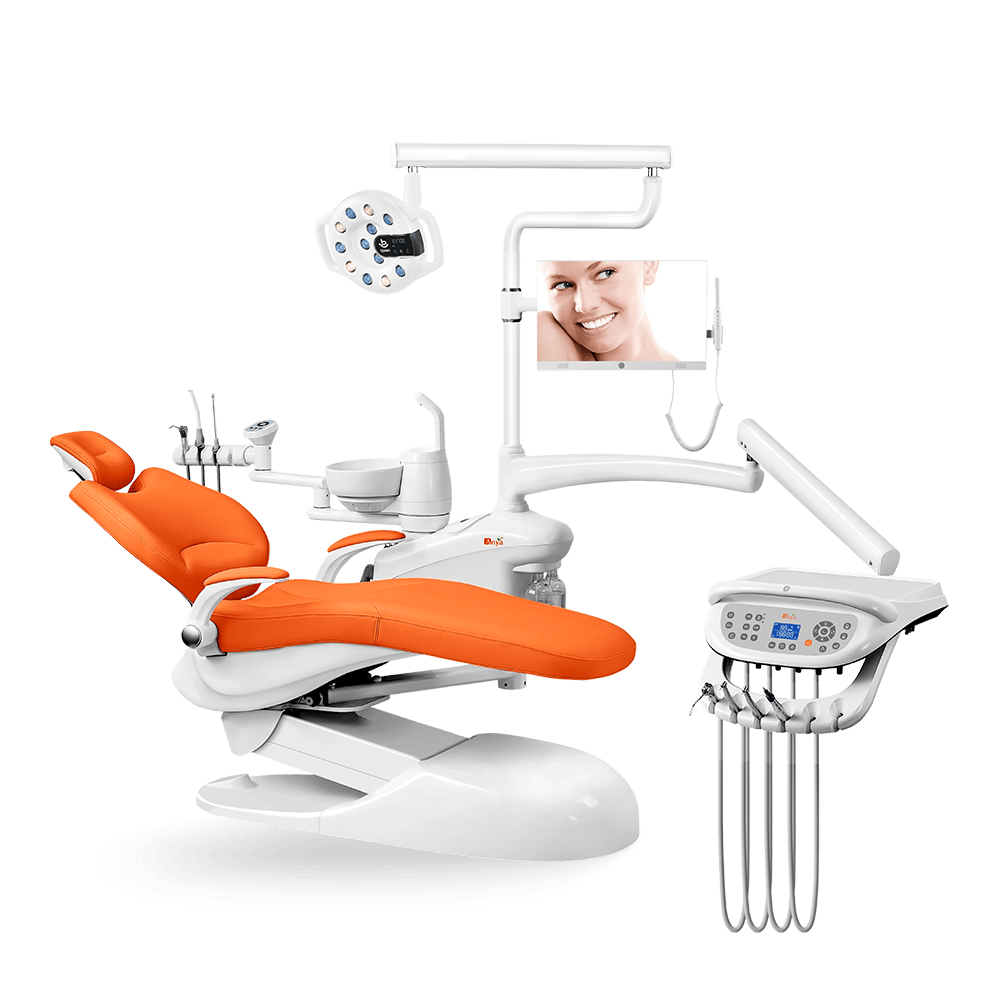
OEM dental chairs are not unlimited custom projects. A good OEM discussion separates appearance, branding, configuration, documentation, packaging, serviceability, and safety-critical design. Distributors, dealers, and clinic groups should start from a confirmed base model, ask which options are available for that model, and keep every customization in the quotation, artwork proof, configuration sheet, packing list, and after-sales plan.
Review custom dental chair configuration, private label dental chairs, dental chair RFQ requirements, supplier questions, and the request quote page.
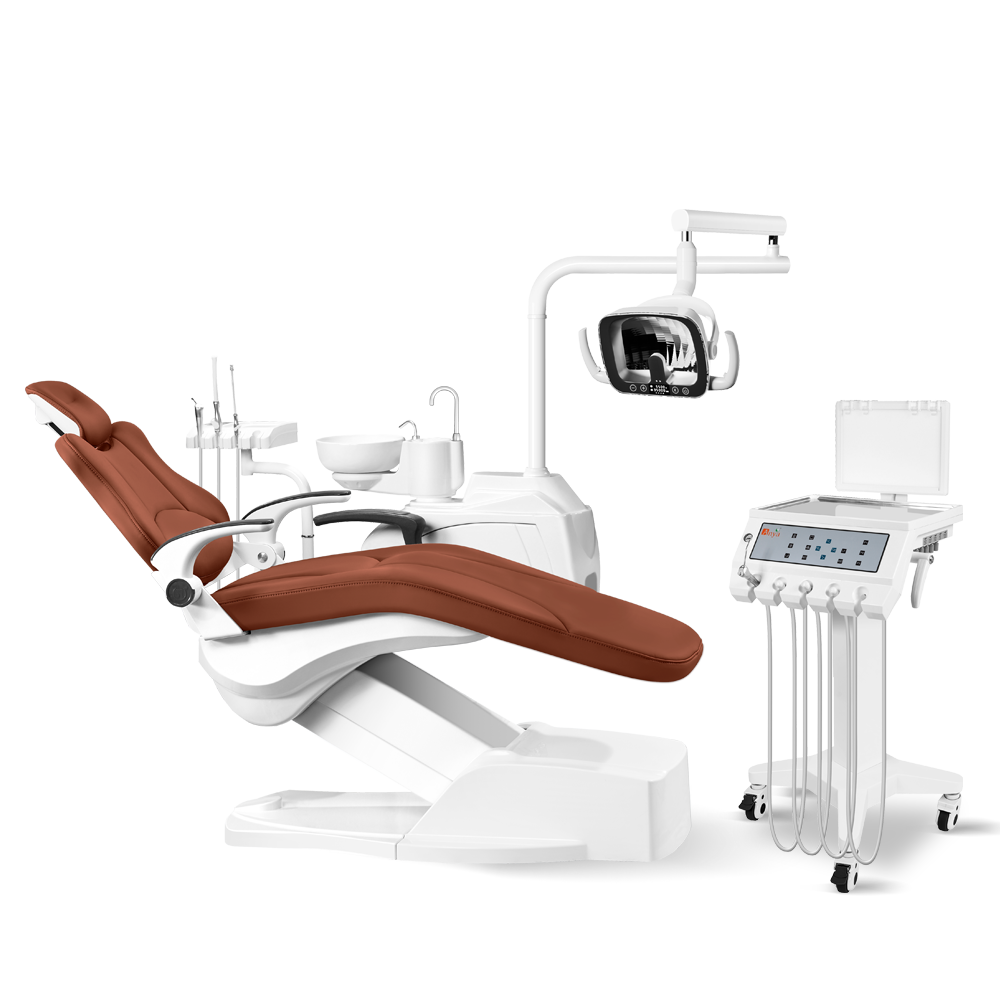
OEM Dental Chairs Need Controlled Options
OEM customization can help a dealer align a product with local catalog needs, brand presentation, packaging identification, and repeat-order planning. Too much uncontrolled customization can create service problems, document confusion, spare-parts inconsistency, and quality-control risk. The strongest OEM program is usually repeatable: one standard model foundation, a defined option set, clear artwork rules, and a service plan technicians can understand after sale.
Confirm the Buying Scenario
A dealer trial order, distributor product line, clinic group standardization project, and tender project may require different OEM conversations. Confirm whether the buyer wants visible branding, local catalog positioning, repeated configurations, spare parts support, packaging identification, or private internal standardization. Then ask the manufacturer to mark each request as standard, optional, not available, or requiring further review.
What Can Usually Be Discussed
| OEM Area | Buyer Can Ask About | Safe Confirmation Step |
|---|---|---|
| Appearance | Upholstery color, visible finish, product-photo references, and catalog presentation | Request available choices for the selected model |
| Branding | Logo placement, model naming, and dealer catalog references | Confirm process, artwork format, placement, and approval proof |
| Configuration | Delivery style, assistant unit, light, foot control, stool, and accessory package | Match each option to the written quote and configuration sheet |
| Documents | Manuals, product sheets, labels, spare parts lists, and training files | Confirm document scope for the quoted model and destination market |
| Packaging | Carton marks, shipping labels, packing photos, and accessory checks | Keep marks consistent with invoice and packing list |
| Dealer support | Parts identification, repeat-order records, warranty process, and service materials | Define support before launch, not after customer delivery |
What Should Stay Standard or Be Treated Carefully
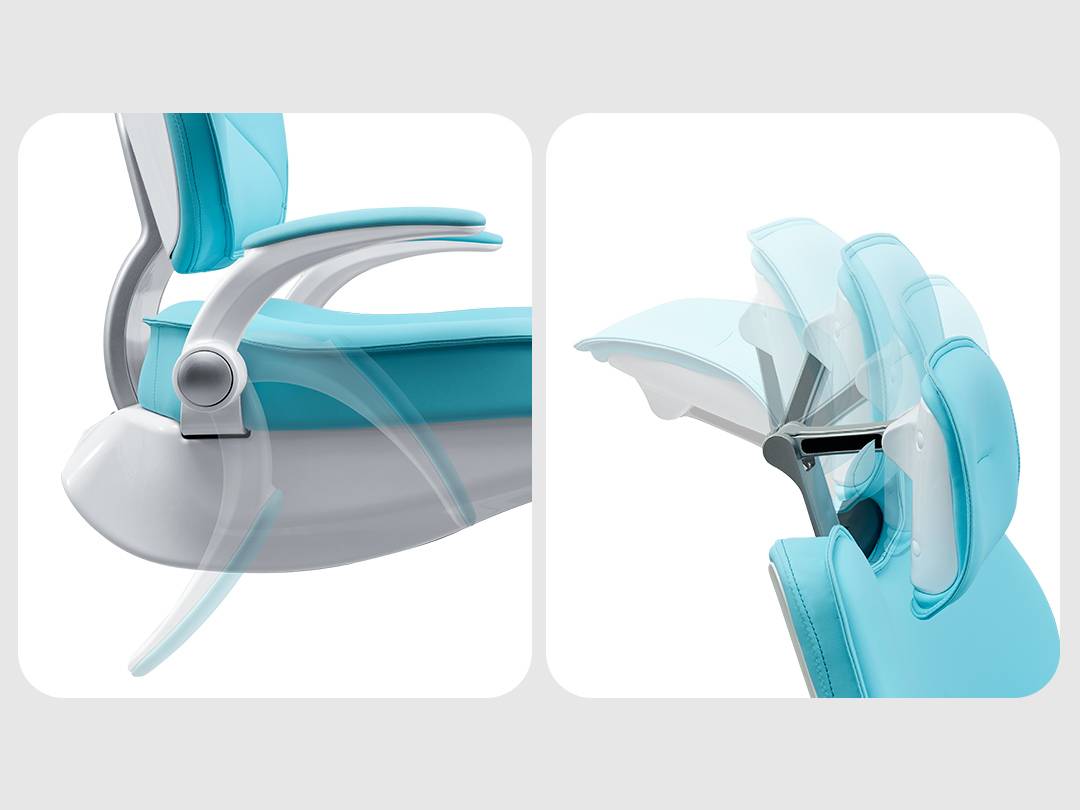
Base, frame, lifting structure, movement system, load-bearing parts, and chair geometry should normally stay within the manufacturer’s controlled design. Structural changes can affect stability, quality control, service access, and documentation. Review dental chair stability testing and quality control tests before asking for technical changes.
Voltage, wiring, tubing, connectors, water lines, air lines, suction integration, and utility assumptions should also be treated carefully. Changes can affect installation, leakage risk, compatibility, maintenance, and local review. Ask what is standard for the model and what documentation supports any change.
Compliance wording, labels, manuals, and certificates should not be edited casually. Buyers should verify document scope and destination-market requirements before changing labels, specifications, technical configuration, or intended-use statements.
OEM RFQ Checklist
- Confirm the base model, configuration, minimum order context, and trial-order plan.
- List branding, color, packaging, document, and configuration requests separately.
- Request artwork proof, configuration sheet, product photos, packing marks, and inspection evidence.
- Ask how custom items will be identified, stocked, replaced, and supported in repeat orders.
- Keep the quote, invoice, packing list, product photos, warranty file, and service notes consistent.
Dealer Launch Advice
A practical OEM launch often starts with one base model, one or two confirmed configurations, a clear document package, and a simple parts route. Once the dealer has feedback from clinics and service teams, additional variants can be discussed with less risk. Use dealer product-line planning before introducing too many early variants.
Customize vs Standardize
The safest OEM decision is not always the most customized one. Customize when the change supports local brand positioning, repeatable catalog structure, clear packaging identification, or a confirmed workflow need. Standardize when the change would make service, documents, training, parts, or quality checks harder to control.
| Decision Area | Better to Customize | Better to Standardize |
|---|---|---|
| Upholstery color | When the option is supported and repeatable | When stocking replacement upholstery is more important |
| Logo or brand mark | When artwork proof, placement, and order scope are approved | When the process or repeat-order rules are unclear |
| Delivery configuration | When clinic workflow requires a supported option | When service teams need one common setup |
| Packaging marks | When dealers import multiple models or labeled orders | Never leave marks inconsistent with documents |
| Frame, base, and lift | Only through formal engineering review | Usually keep the manufacturer-controlled design |
Common OEM Customization Mistakes
- Treating OEM as if every part of the chair can be changed without consequence.
- Choosing color, logo, or model naming before confirming the base configuration.
- Requesting special parts without checking spare-parts identification and repeat-order support.
- Changing technical items without asking how quality control, documents, and service are affected.
- Letting quote, invoice, packing list, photos, and service notes describe different configurations.
FAQ
What does OEM mean for dental chairs?
In a buying conversation, OEM usually means manufacturer-supported branding, configuration, packaging, or document discussion around a confirmed base model. It should not be treated as unlimited redesign unless the manufacturer confirms the scope in writing.
Can distributors add their own logo?
Possibly, only if the manufacturer confirms the process, artwork requirements, placement, order scope, and approval steps. Request artwork proof before production.
Can the chair structure be customized?
Structural elements such as the frame, base, lifting system, and movement geometry should normally stay standard unless there is formal engineering review, testing, documentation, and written approval.
Planning OEM dental chair questions? Send Anya Medical the target model, destination market, branding request, configuration needs, document questions, and dealer support requirements through the request quote page.