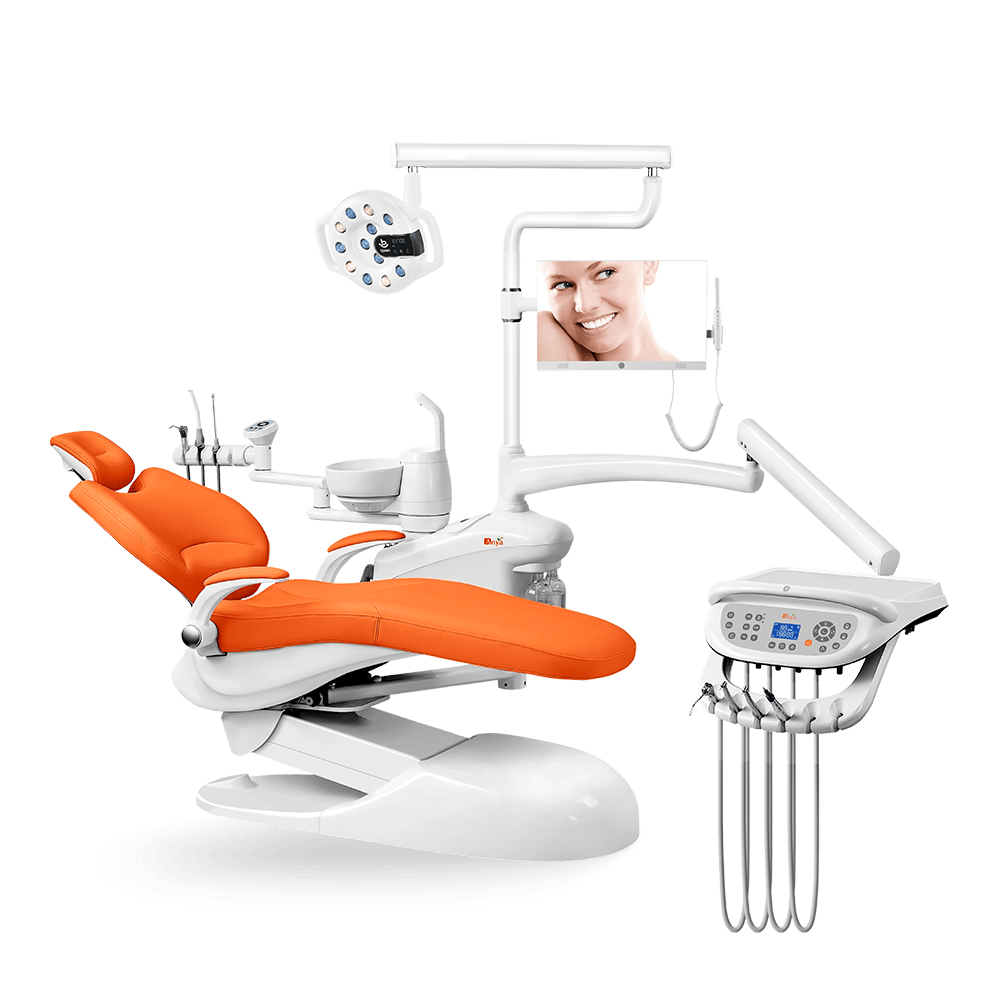
A dental chair trial order should test the distributor’s full workflow, not just whether one chair looks acceptable in photos. A useful dental chair trial order checks configuration accuracy, documents, packing, shipping condition, installation, technician feedback, spare parts identification, warranty-response process, and customer demo reaction before larger orders are placed. Treat the trial unit as an evaluation sample, not as a final market launch plan.

This guide is for dental chair distributors, dental equipment dealers, and importers who have moved beyond first inquiry but are not ready for volume purchasing. Before a trial order, use manufacturer verification and the dental chair RFQ guide. During the trial, use the checks below to decide whether to approve, revise, retest, or pause the supplier relationship.
What A Trial Order Should Prove
A trial order should answer practical questions. Did the supplier send the model and configuration that were quoted? Did the documents match the shipment? Was the packing strong enough for the route? Could the local team install and test the chair? Could technicians identify parts? Did the supplier answer service questions clearly? Did clinics understand the value of the model?
A single sample cannot prove future sales volume, long-term durability, compliance approval, or guaranteed dealer success. It can reduce uncertainty and reveal problems before the distributor commits to a larger purchase.
| Trial objective | What to test | Evidence to keep |
|---|---|---|
| Model accuracy | Chair model, color, delivery unit, light, suction, assistant unit, and accessories. | Quote, invoice, configuration sheet, product photos, and label photos. |
| Documentation readiness | Manuals, labels, warranty terms, packing list, and available certificate copies where applicable. | Document folder and broker or compliance notes. |
| Packing and transport | Carton or crate condition, marks, internal protection, missing items, and arrival damage. | Pre-shipment photos, arrival photos, and delivery notes. |
| Installation and function | Utility fit, movement, controls, water, air, suction, light, delivery unit, and safety-related checks. | Technician checklist, videos, and issue log. |
| After-sales process | Parts identification, warranty-response questions, technician support, and escalation path. | Parts list, support messages, and service notes. |
Decide The Trial Scope
Do not publish or assume a universal minimum quantity. A distributor may test a limited sample or small pilot batch depending on budget, freight economics, supplier terms, destination-market requirements, and planned sales process. The important point is that the trial scope should be meaningful enough to test the dealer workflow.
If the distributor plans to sell multiple configurations, the trial should include the model and options most likely to become the main catalog reference. A rare custom configuration may be useful for one customer, but it may not teach the distributor enough about the standard line. If the distributor is building a broader dental chair product line for dealers, the trial unit should support that lineup decision.
Pre-Shipment Checks
Pre-shipment review is the first trial test. Ask for photos and documents before the final balance if that is part of the written agreement. The goal is not to micromanage production; it is to confirm that the supplier has prepared the correct model, accessories, documents, and packing before the shipment leaves.
- Model name, color, and configuration match the quotation.
- Voltage and plug or electrical requirements are suitable for the destination plan.
- Accessories, stool, light, delivery system, and optional items are listed clearly.
- Manuals, labels, warranty terms, and available certificate copies are included where applicable.
- Packing list shows carton or crate count, dimensions, weights, and marks.
- Photos show the chair before packing, protected components, and closed packages.
- Shipping term, named place, consignee, and document handling are confirmed.
For packaging and freight risk, use the dental chair shipping guide. For document preparation, use the import documents checklist and the CE, ISO, and FDA document review where relevant to the destination market.
Document Review During The Trial
The trial order is a good moment to test the supplier’s document process because the stakes are smaller than a volume shipment. Request the same document types the distributor would need for a larger order, then check whether the names, model references, quantities, dates, and configuration details match. If the supplier cannot keep a small trial file organized, larger shipments may create more avoidable work for the dealer.
| Document | Trial check | Risk if ignored |
|---|---|---|
| Pro forma and commercial invoice | Model, configuration, quantity, price basis, currency, and shipment term match the order. | The distributor cannot compare landed cost or broker requirements clearly. |
| Packing list | Carton count, marks, dimensions, weights, and accessories match the physical shipment. | Missing items or freight details become harder to resolve after arrival. |
| Manuals and labels | Model name, language needs, safety notes, and service instructions are usable for the destination. | Installation and customer handover may depend on informal messages instead of documents. |
| Warranty and parts file | Warranty boundaries, parts list, and support contact path are clear. | The dealer may not know how to handle the first service issue. |
Arrival And Packing Review
When the trial unit arrives, record the condition before installation. This helps the distributor separate shipping damage, missing accessories, installation questions, and product issues. Keep exterior packaging photos, shipping marks, internal packing photos, and any visible damage notes. If a carrier or insurer has a claim process, follow its timing and evidence requirements.
Do not treat a clean arrival as proof that all future shipments will be damage-free. Also do not treat one damaged carton as proof that a model is unusable. The distributor should identify the root cause: packing method, handling, route, document mismatch, accessory packing, or another issue that can or cannot be corrected.
Installation And Function Testing
The installation test should be led by qualified personnel following the manufacturer’s instructions and local requirements. A chair that powers on is not fully evaluated. Test movement, chair positions, foot control, control panel, light, water, air, suction, handpiece connections where applicable, spittoon function, assistant unit, emergency or stop controls where present, and access panels needed for service.

| Test area | Distributor check | Follow-up question |
|---|---|---|
| Movement and positioning | Chair lift, backrest, programmed positions, noise, smoothness, and stability. | What adjustment or service guidance is available if movement is abnormal? |
| Controls | Foot control, touch panel, assistant controls, and user interface response. | Which parts are replaceable, and how are control issues diagnosed? |
| Water, air, and suction | Connections, pressure expectations, leaks, drainage, and local utility fit. | What utility conditions must clinics prepare before installation? |
| Comfort and access | Upholstery, headrest, armrest, dentist access, assistant reach, and patient entry. | Which features matter most for the target clinic segment? |
| Service access | Panels, tubing routes, connectors, part labels, and maintenance points. | Can local technicians identify and replace common service items? |
Spare Parts And Warranty Response Test
A trial order should include after-sales testing. Ask the supplier to identify several parts from photos or part codes. Check whether the part list matches the model, whether the supplier can explain compatibility, and whether warranty questions receive clear written answers. This does not prove that every part will always be available, but it shows whether the support process is usable.
Use the spare parts availability guide and the warranty terms checklist during this step. If the distributor cannot identify parts, explain warranty boundaries, or get timely technical answers during a trial, the problem may become larger after multiple installations.

Customer Demo Feedback
A distributor may show the trial unit to selected clinics, technicians, or sales staff. Treat this as qualitative feedback, not proof of sales volume. Record what buyers understood quickly, what objections appeared, which features needed explanation, and which configuration questions came up. Feedback can help the distributor refine the catalog, training material, and quote template before launching the model more widely.
Useful demo feedback is specific. Instead of asking whether someone “liked the chair,” record comments about patient access, dentist posture, assistant reach, control placement, light position, upholstery comfort, noise, room fit, and perceived serviceability. If several clinics ask the same question, add that answer to the dealer sales sheet before the next sales visit.
Approve, Revise, Retest, Or Pause
At the end of the trial, combine technical, commercial, logistics, document, and customer feedback. Reorder decisions should not rely on one positive demo or one low quote. A clear decision table helps the distributor avoid emotional buying.
| Decision | When it fits | Next step |
|---|---|---|
| Approve | Model, documents, packing, installation, support, and feedback are acceptable. | Plan a controlled reorder with defined configuration and support terms. |
| Revise | The model is promising but needs configuration, document, packing, or support corrections. | Update the RFQ and confirm corrections before the next order. |
| Retest | A major uncertainty remains but may be solvable with another configuration or process change. | Run a limited second trial with specific pass/fail criteria. |
| Pause | Critical document, service, installation, quality, or communication issues remain unresolved. | Do not scale orders until the issue is explained and corrected in writing. |
PREGUNTAS FRECUENTES
How many dental chairs should a distributor order for a trial?
There is no universal quantity. Use a limited sample or pilot batch that is meaningful for your freight cost, target market, installation plan, and service evaluation. Confirm order terms through written supplier communication.
What should be tested in a dental chair sample order?
Test model accuracy, documents, packing, arrival condition, installation, movement, controls, water and air connections, suction, accessories, spare parts identification, warranty response, and customer demo feedback.
Should a trial order include spare parts?
It often helps to include selected parts or at least a model-specific parts list. The goal is to test whether parts can be identified, ordered, and explained before the distributor scales the product line.
How long should distributors evaluate a trial dental chair?
The evaluation period depends on installation schedule, technician testing, customer demo plan, document review, and supplier response time. Do not rush a reorder before the trial objectives are documented.
What problems should stop a distributor from scaling orders?
Unresolved model mismatch, unclear documents, repeated communication problems, unsafe installation concerns, poor parts identification, unaddressed packing damage, or vague warranty response should pause larger orders until corrected.
Preparing a dental chair trial order? Contact Anya Medical through the contact page to review suitable models, trial configurations, documents, and distributor support requirements.