
Cart delivery vs chair mounted dental delivery is not a simple choice between better and worse. It is a workflow decision. The right system depends on room size, patient entry, dentist and assistant positions, instrument reach, utility routing, service access, cleaning workflow, and whether the clinic needs a fixed setup or more flexible positioning. Buyers should compare the exact chair configuration in each quote before approving renovation or purchase.
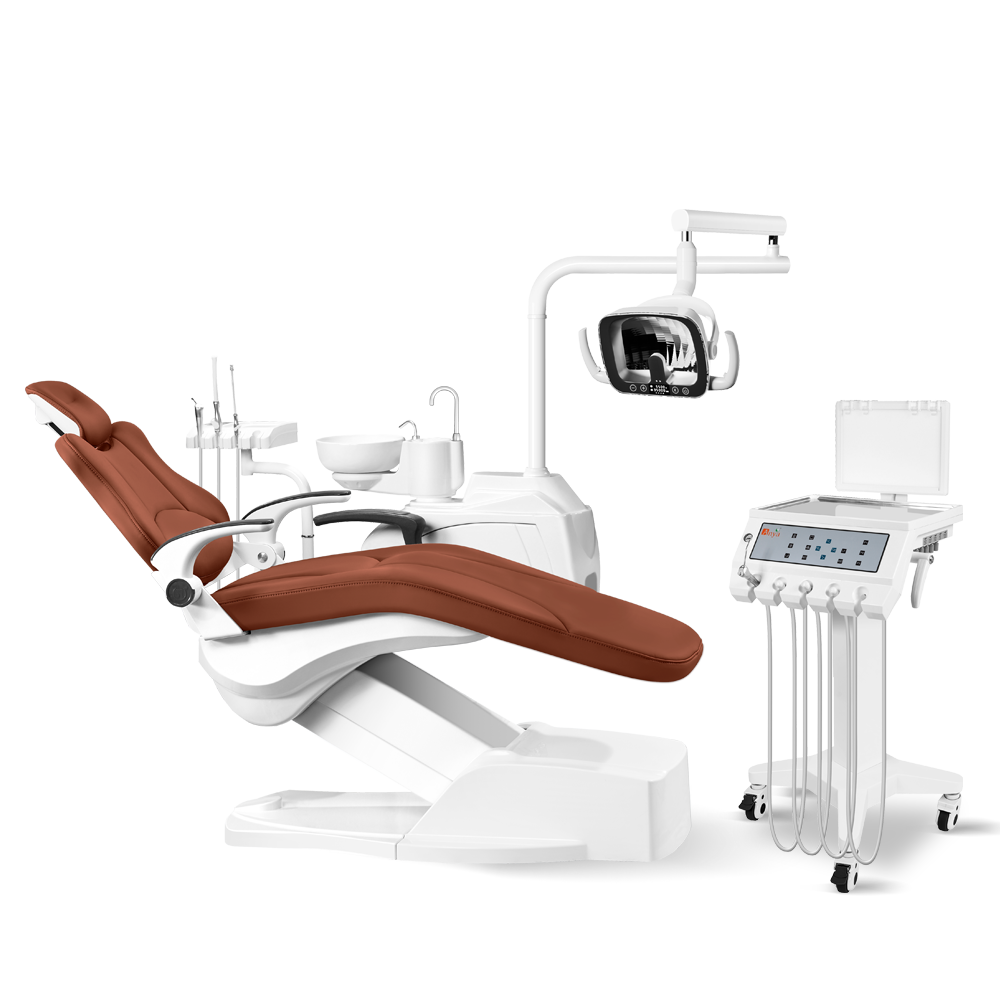
This guide is for clinic owners, dental dealers, equipment buyers, and project teams comparing delivery configurations. If you are still at the room-planning stage, read the dental operatory layout requirements first. If utilities are being prepared, use this article with the dental chair air and water line requirements guide so delivery style and utility routing are reviewed together.
Quick Answer: Which Delivery System Fits Your Clinic?
Choose cart delivery when the clinic values movable positioning, has enough room for a cart path and parking position, and wants a configuration that can adapt to different operator preferences. Choose chair-mounted delivery when the clinic wants a more fixed instrument location, predictable reach, and a room plan built around an integrated chair unit. Neither answer is universal.
The safer procurement question is this: does the quoted delivery system fit the clinic’s actual workflow and room plan? If one supplier quotes cart delivery and another quotes chair-mounted delivery, the buyer is not comparing the same configuration. Ask each supplier to confirm the exact delivery style, mounting side, hose style, assistant unit arrangement, utility needs, and service access in writing.
What Is a Cart Delivery Dental System?
A cart delivery dental system places the delivery module on a separate cart rather than mounting every delivery component directly on the chair structure. Depending on the model, this can support flexible positioning for the dentist, assistant, and room layout. The cart still needs space. It must move, park, connect, and be cleaned without blocking the patient path, stools, cabinets, or assistant zone.
En Unidad dental AY-A3000 Cart is an Anyamedical product example for buyers reviewing a cart-style configuration. Use the product page as a model reference, then request the latest configuration and installation details from Anya Medical before making site-work decisions. Do not assume cart dimensions, accessories, or utility details from a generic photo.
What Is a Chair-Mounted Delivery System?
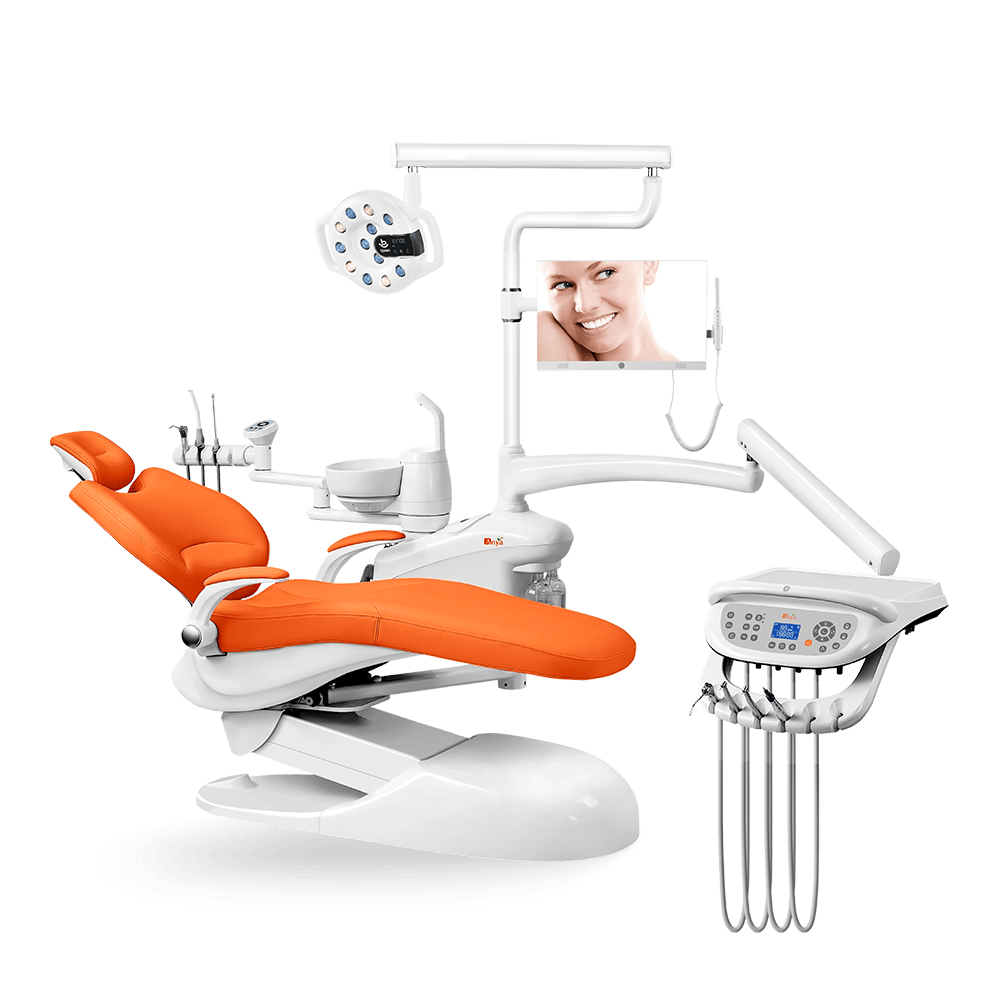
A chair-mounted delivery system integrates the delivery module with the chair unit through arms, mounted structures, or model-specific support points. This can create a fixed and predictable instrument location when the room is planned around that setup. It may also reduce the need for a separate cart path, but the delivery arms, hoses, assistant access, and patient entry still need clearance.
Buyers should confirm whether the delivery is top-mounted, hanging hose, side-mounted, assistant-side, dentist-side, or another model-specific configuration. The details matter. A chair-mounted system can feel efficient in one room and restrictive in another if the mounting side conflicts with the dentist’s handedness, cabinetry, or assistant workflow.
Workflow: Dentist Reach and Assistant Access
Workflow is the main reason to compare cart delivery and chair-mounted delivery. The dentist needs comfortable instrument reach, clear visibility, and smooth stool movement. The assistant needs suction access, transfer space, and a position that supports four-handed dentistry when required. The patient needs an entry path that does not feel crowded by equipment.
With cart delivery, the team should test where the cart sits during treatment, where it parks between patients, and whether tubing or cables affect movement. With chair-mounted delivery, the team should test arm reach, hose return, assistant access, and whether the delivery position works for the normal procedure mix. The best evaluation is a room-plan walk-through using the selected chair model, not a catalog-only comparison.
Footprint and Room Planning Differences
Cart delivery is sometimes described as flexible, but flexibility still consumes space. The cart needs a path, a working position, a parking position, and a safe route for any connected lines. In a small room, the cart may solve one reach problem while creating another movement problem. In a larger or multi-use room, the same flexibility may support different dentists or procedures more comfortably.

Chair-mounted delivery may look more contained, but the room still needs clearance for arms, hoses, stools, patients, light movement, suction, and service panels. Before approving cabinetry, ask the supplier or installer to mark delivery movement on the plan. A chair-mounted setup should not be assumed compact until the actual model and room have been reviewed.
Maintenance, Serviceability, and Future Flexibility
Serviceability should be part of the purchase decision. A cart system may allow some modules to be accessed differently from a fixed chair-mounted setup, but this depends on the model. A chair-mounted system may keep components organized around the chair, but access can become difficult if cabinetry or walls block panels. The buyer should ask where technicians will inspect, remove covers, replace parts, and isolate utilities.
Dealers should also think about future flexibility. If they sell one standard chair-mounted configuration, training and inventory may be simpler. If they offer cart delivery for certain rooms, they may support clinics with different workflow needs. Use service history, technician feedback, and customer profiles rather than assuming one configuration is automatically easier to support.
Cleaning Workflow and Infection-Control Surfaces
Do not claim that one delivery system is automatically more hygienic. Cleaning depends on surface design, barriers, staff workflow, hand contact points, manufacturer instructions, and clinic infection-prevention policy. A cart may create additional touched surfaces or movement areas; a mounted delivery arm may create different touch points around handles, trays, and controls.
The buyer’s job is to ask how surfaces will be cleaned, which areas need barriers, how tubing or hoses are managed, and whether staff can move from dirty to clean tasks without confusion. Infection-control review should happen before the clinic standardizes a delivery layout across multiple rooms.
Left-Handed, Right-Handed, and Multi-Provider Rooms
Handedness can change the delivery decision. A room used by one right-handed dentist may work well with a fixed setup that would frustrate a left-handed provider. A multi-provider clinic may need a configuration that supports different operator preferences or at least avoids locking the room into a narrow workflow.
Ask the manufacturer or dealer whether the exact model supports the desired left-hand, right-hand, or ambidextrous setup. Do not assume this from the product name. Confirm mounting side, assistant unit location, suction access, delivery reach, and whether any configuration change affects installation or service.
Cart Delivery vs Chair-Mounted Delivery Comparison
| Factor | Cart delivery | Chair-mounted delivery | What buyer should confirm |
|---|---|---|---|
| Workflow reach | May support flexible positioning when the cart path is clear. | Can support predictable reach when the room is planned around it. | Normal dentist and assistant positions during treatment. |
| Room footprint | Needs movement and parking space. | Needs arm, hose, patient, stool, and service clearance. | Actual floor plan with chair and cabinets included. |
| Patient entry | Cart position must not block entry or exit. | Mounted arms must not interfere with patient access. | Door swing, patient path, and working zones. |
| Handedness | May offer flexible positioning depending on model. | Depends on mounting side and configuration. | Left-hand, right-hand, or multi-provider needs. |
| Service access | Service points may be accessed differently by model. | Service panels may depend on chair and cabinet clearance. | Where technicians will inspect and replace components. |
| Cleaning workflow | Review cart surfaces, handles, tubing, and parking area. | Review arms, trays, switches, hoses, and chair-side touch points. | Barrier use, disinfection process, and manufacturer instructions. |
| Utility routing | Connections must match cart movement and parking position. | Connections must match the chair base and mounted delivery path. | Air, water, suction, drain, and electrical plan. |
Buyer Decision Checklist
- What procedures will the room handle most often?
- Will the room use two-handed or four-handed dentistry?
- Where will the dentist and assistant sit during normal treatment?
- Does the room support left-handed, right-handed, or mixed-provider use?
- Can the cart or mounted arm move without blocking patient entry, stools, cabinets, or drawers?
- Where will air, water, suction, drain, and electrical connections route?
- Can technicians access service points after installation?
- Does the dealer want a standardized setup or several configurations for different clinic types?
- Which surfaces will be touched during treatment, and how will cleaning or barriers be handled?
- Has the supplier confirmed the exact configuration in writing?
Common Mistakes to Avoid
The biggest mistake is comparing quotes without noticing that the delivery systems differ. A lower price or shorter description may simply include a different configuration. Another mistake is planning cabinetry before confirming the delivery movement, cart parking position, or mounted arm clearance.
Do not assume a cart always saves space. It needs a movement path and storage position. Do not assume a chair-mounted system is always simpler. It still needs clearance, access, and correct handedness. Do not treat infection control as a sales claim. Review actual surfaces, barriers, cleaning tasks, and manufacturer instructions.
PREGUNTAS FRECUENTES
Is cart delivery better than chair-mounted dental delivery?
No universal answer exists. Cart delivery may support flexible positioning, while chair-mounted delivery can support a fixed and predictable workflow. The better choice depends on room layout, procedure mix, handedness, and service planning.
Does cart delivery need more space?
It can. The cart needs a working position, parking position, and safe movement path. In some rooms that flexibility helps, while in tighter rooms it can create clutter. Confirm the plan on the actual floor layout.
Is chair-mounted delivery easier for assistants?
Not automatically. Assistant access depends on delivery side, suction position, hose reach, stool position, cabinet clearance, and four-handed workflow. Ask the team to walk through the room plan before ordering.
Which delivery type is better for left-handed dentists?
Neither should be assumed better. Buyers should confirm whether the exact model supports the required left-hand, right-hand, or ambidextrous configuration before purchase and renovation.
What should I ask the manufacturer before ordering?
Ask for the exact delivery configuration, utility requirements, installation guidance, service access needs, cleaning guidance, and written confirmation that the setup matches the clinic’s room plan.
Comparing cart delivery and chair-mounted dental delivery? Contacte a Anya Medical a través de la página de contacto with your room plan, target model, and workflow questions.
 Spanish
  English