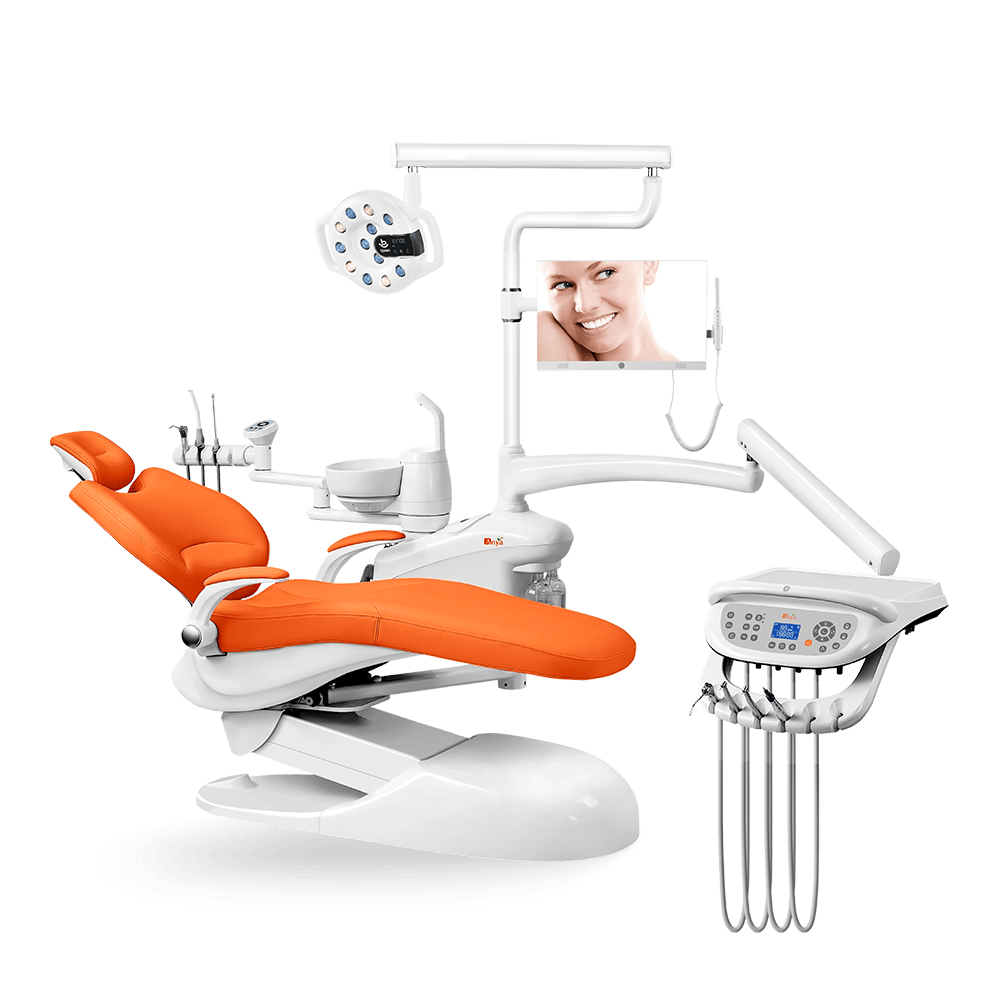
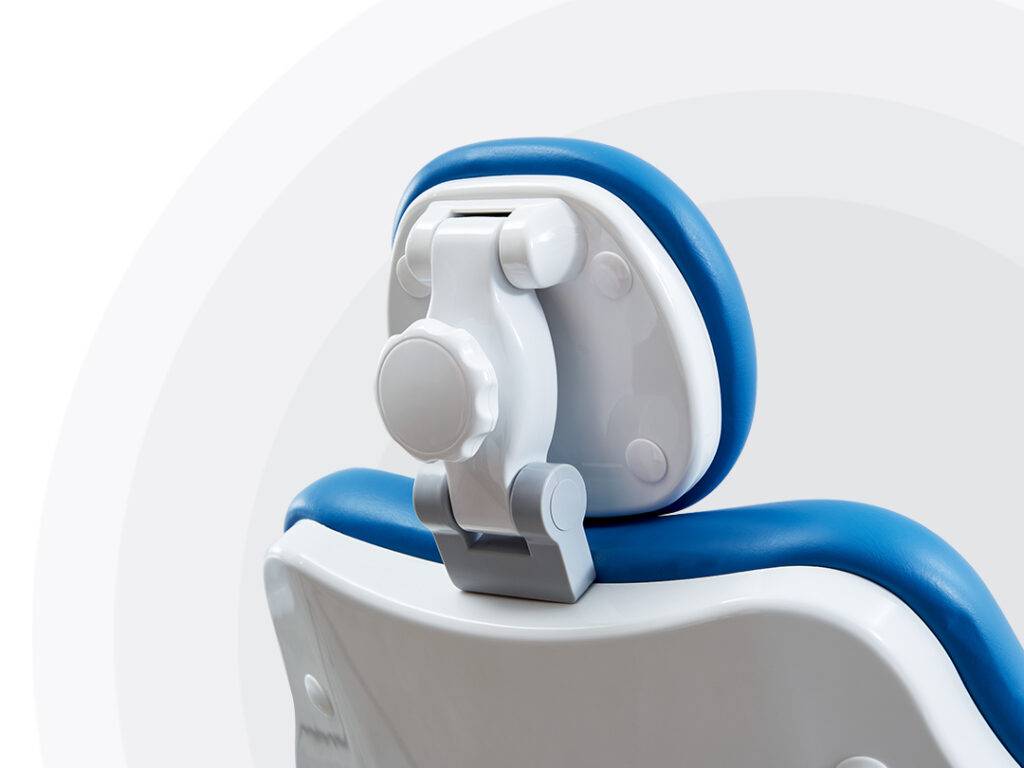
Dental chair headrest types matter because they shape patient positioning, visibility, neck support, and the way the dentist sees the working field. A headrest that fits one patient or procedure may not fit another. The right choice depends on the chair model, the procedure mix, the clinic’s patient base, and how the room is set up. Buyers should confirm the exact headrest configuration in writing before they finalize the order.
This guide is for clinic owners, dealers, and equipment buyers comparing headrest and positioning options for a dental chair unit. If you are still choosing the broader chair family, start with the different types of dental chair article. If you are planning the room, read the dental operatory layout requirements guide as well.
Why Headrest Choice Matters
Headrest choice matters because it changes how the patient lies, how the clinician sees the mouth, and how stable the head feels during treatment. A good headrest makes positioning easier and reduces small adjustments during the appointment. A poor one can make the operator fight the chair every time the patient moves.
Buyers should not treat the headrest as a decorative part. It is a working part of the chair. The headrest should support comfort, access, and visibility without creating friction for the clinical team.
What Buyers May See as Headrest Types
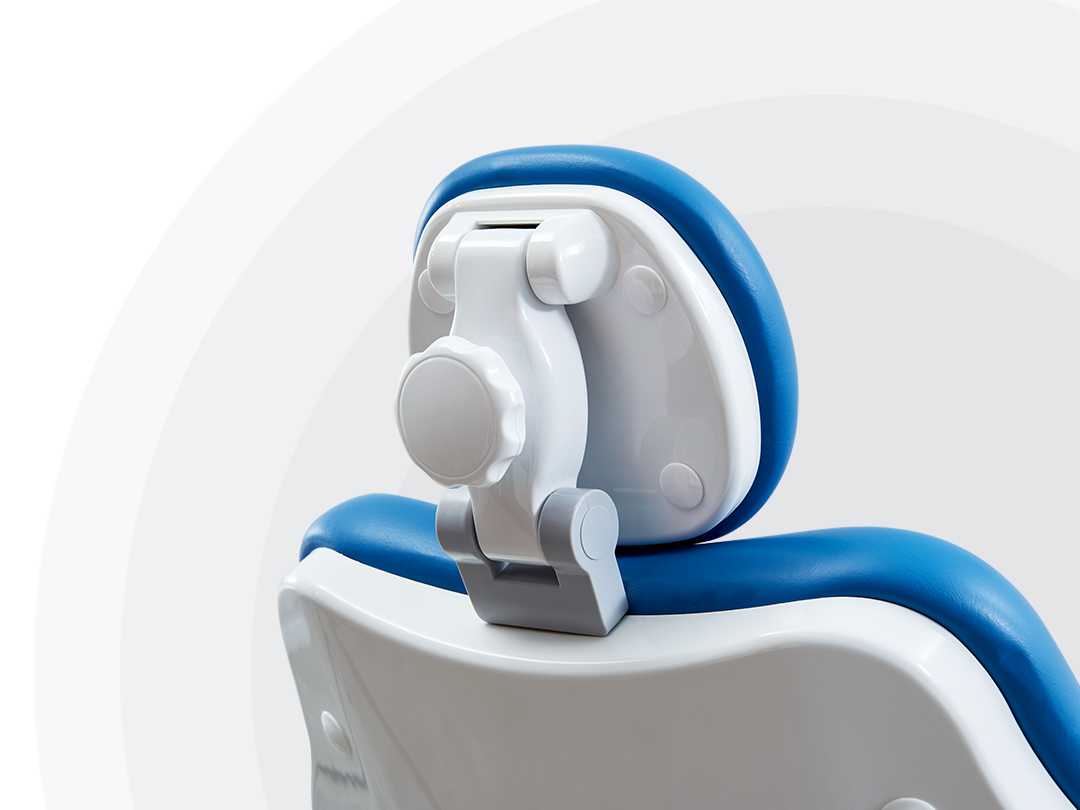
In the market, headrest options are often described by their adjustability rather than by a strict universal standard. Buyers may see a straightforward adjustable headrest, a double-joint or articulating headrest, or a configuration that is optimized for special positioning needs. The exact names vary by model and supplier, so the safest approach is to compare what the headrest actually does rather than what the label sounds like.
The supplier should show how the headrest moves, locks, and supports the patient in the selected chair. A product title or image is not enough to prove how the headrest behaves in the ordered configuration.
Patient Positioning and Visibility
Patient positioning is the core job of the headrest. The dentist needs the patient head stable enough to work cleanly, but not so fixed that every adjustment becomes awkward. The headrest should help the operator see the treatment area without leaning too far or repositioning the patient repeatedly.
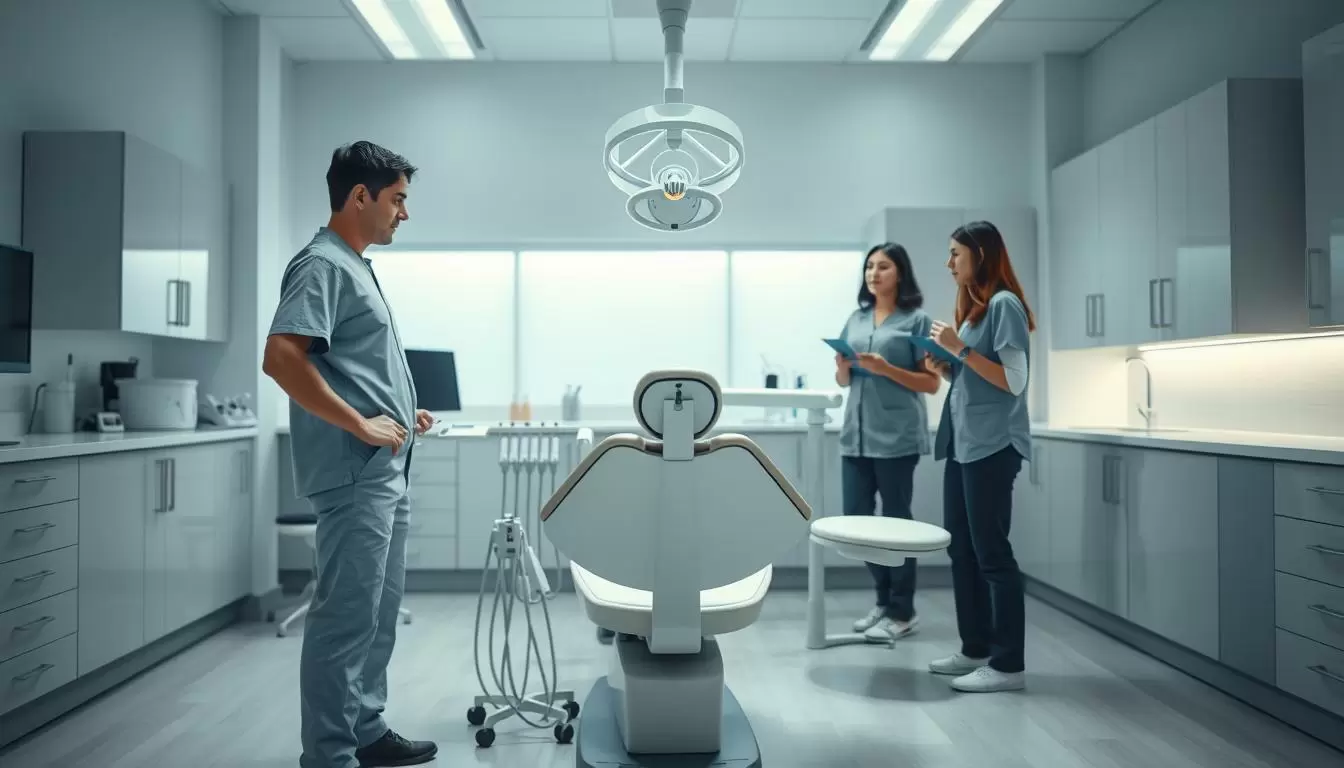
For most clinics, the question is simple: can the headrest help the team place the patient where the procedure needs them, without making the room feel difficult to use? If the answer depends on the model, the buyer should request a written configuration and a real image of the selected setup.
Neck Support and Comfort
Headrest comfort matters because the patient may spend a long time in the chair. Good support can make the experience feel calmer, especially when the head needs to stay still. This does not mean every patient needs the same setting. Adults, children, and specialty cases can all need different positioning habits.
Buyers should ask how the headrest feels in use, how easy it is to adjust, and whether it still feels supportive when the chair is reclined. Comfort should be tested in the same position the clinic will use most often, not only in an upright showroom pose.
Child vs Adult Use
Children and adults often need different positioning approaches. A headrest that works well for a taller adult may need more adjustment to support a child. That is why clinics serving mixed patient groups should ask whether the headrest supports a wider range of positioning without becoming cumbersome.
The buyer should not assume one headrest is automatically better for all patients. Instead, ask which model supports the clinic’s real patient mix and how it behaves in daily use. If pediatric work is important, the supplier should explain the headrest position in that context, not only for standard adult treatment.
Left- and Right-Handed Room Setup
Headrest position also interacts with handedness and room layout. A left-handed or right-handed room may place the dentist in a different relationship to the patient head and the delivery side. The headrest should help that setup, not fight it. If the room is used by different clinicians, the buyer should confirm that the headrest can support those variations.
Room layout matters too. Cabinet placement, light position, and the chosen delivery system can all affect how the operator approaches the patient head. Ask the supplier to confirm the position on the floor plan before the room is finalized.
Cleaning Workflow and Service Access
Cleaning is part of the decision. Headrests have touched surfaces and moving parts that need daily care. The buyer should ask how easy it is to wipe the headrest, whether the surfaces collect dirt, and whether the mechanism leaves awkward gaps. A headrest that looks elegant but is hard to clean can become a daily annoyance.
Service access matters as well. If the mechanism needs adjustment or replacement later, technicians should be able to reach it without dismantling the entire chair setup. That is another reason to ask for the exact model confirmation instead of relying on a generic product image.
Compare Headrest Options
| Decision factor | Qué comparar | Supplier proof to request | Risk if skipped |
|---|---|---|---|
| Adjustability | How the headrest moves and locks. | Model-specific photo or demo. | Limited positioning options. |
| Visibility | Whether the head position supports the operator’s sight line. | Room plan or live walkthrough. | Awkward leaning during treatment. |
| Neck support | How stable and comfortable the head feels. | Exact chair configuration confirmation. | Patient discomfort. |
| Child vs adult use | Whether the headrest works for different patient sizes. | Supplier guidance for the clinic’s patient mix. | Poor fit across appointments. |
| Handedness | Whether the setup fits left- or right-handed use. | Written model confirmation. | Workflow conflict. |
| Cleaning | Whether the surfaces are easy to wipe daily. | Cleaning guidance from the supplier. | Slow turnover and messy touch points. |
| Service access | Whether technicians can maintain the mechanism later. | Service note or parts diagram. | Harder maintenance in the future. |
Lista de verificación del comprador
- Does the headrest support the clinic’s real patient mix?
- Can it help the operator see the field clearly?
- Does it feel comfortable when the chair is reclined?
- Can it handle child and adult positioning needs?
- Does it support left- or right-handed room setup?
- Is the surface easy to clean every day?
- Can technicians service it later?
- Has the supplier confirmed the exact configuration in writing?
Common Mistakes
Buyers often choose a headrest by appearance and ignore positioning. They may forget to consider child patients, specialty procedures, or the room’s handedness. Another mistake is assuming that a headrest title or image proves the exact mechanism. A third is skipping service access until later, when the chair is already installed.
To avoid those problems, compare the headrest on the actual chair model, in the actual room plan, with the actual patient mix in mind. That is the only way to know whether the option truly fits the clinic.
PREGUNTAS FRECUENTES
What are dental chair headrest types?
They are the different headrest arrangements used to support patient positioning, visibility, and comfort. The exact types vary by model.
Which headrest is best for patient positioning?
It depends on the chair model and the clinic’s procedure mix. Buyers should confirm which setup matches their actual use.
Do children need a different headrest setup?
Often yes. Child patients may need different positioning support than adults, so the buyer should confirm that the headrest fits the clinic’s patient mix.
Does handedness affect headrest choice?
Yes. Left- and right-handed room layouts can change the operator’s relationship to the patient’s head and the delivery side.
What should I ask the supplier before approval?
Ask how the headrest adjusts, how it supports positioning, how it cleans, how it services, and whether the exact model is confirmed in writing.
Need help choosing dental chair headrest types? Contacte a Anya Medical a través de la página de contacto with your chair model, room plan, and patient positioning questions.