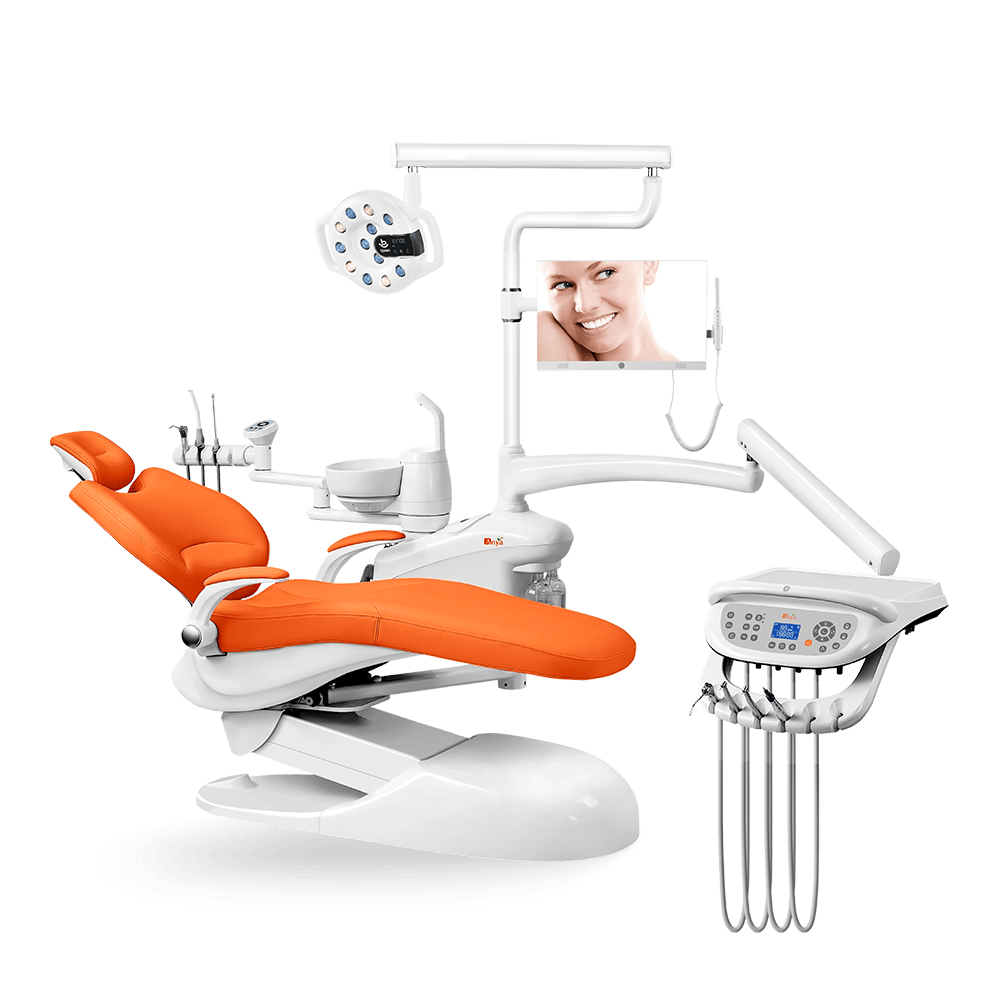

Dental chair armrest design affects patient access, transfer safety, and how easily the dentist can move around the chair. A good armrest helps patients enter and exit without awkward lifting or sidestepping. It also helps the operator work without bumping into furniture or losing access to the patient. Because armrest options vary by model, buyers should confirm the exact configuration in writing before they approve the chair.
This guide is for clinic owners, dealers, and equipment buyers comparing chair options. If you are still selecting a chair family, start with the dental chair unit category and the different types of dental chair article. If the room is not planned yet, also review the dental operatory layout requirements guide so the armrest choice fits the room workflow.
Why Armrest Design Matters
Armrests help shape how the patient enters the chair, sits down, and gets out. They also change how much room the dentist and assistant have around the patient. If the armrests are too awkward for the room or the patient flow, they can turn a simple step into a daily nuisance. The best design is the one that supports both access and safety without getting in the way.
Buyers should treat the armrest as part of the workflow, not a cosmetic add-on. A chair can look good and still be annoying to use if the armrests block movement or make transfers uncomfortable.
Patient Access and Transfer Safety
Patient access is the main reason to think carefully about armrest design. The patient should be able to approach the chair, sit down, and leave without fighting the furniture. Transfers should feel stable, especially for older patients or anyone who needs a little more support. A design that makes the entry and exit path clear can help the whole appointment start more calmly.
Safety matters because the armrest can either guide the patient or create an obstacle. The buyer should ask how the armrest behaves when raised, lowered, or moved aside. If the chair is used in a clinic with a broad patient mix, the supplier should confirm whether the chosen setup is suitable for that use case in writing.
Operator Movement and Working Space
Armrests also affect how the dentist and assistant move around the chair. A design that leaves the working area open can make handoffs, suction, and instrument reach feel smoother. A design that crowds the operator side can make the room feel tighter than it should.
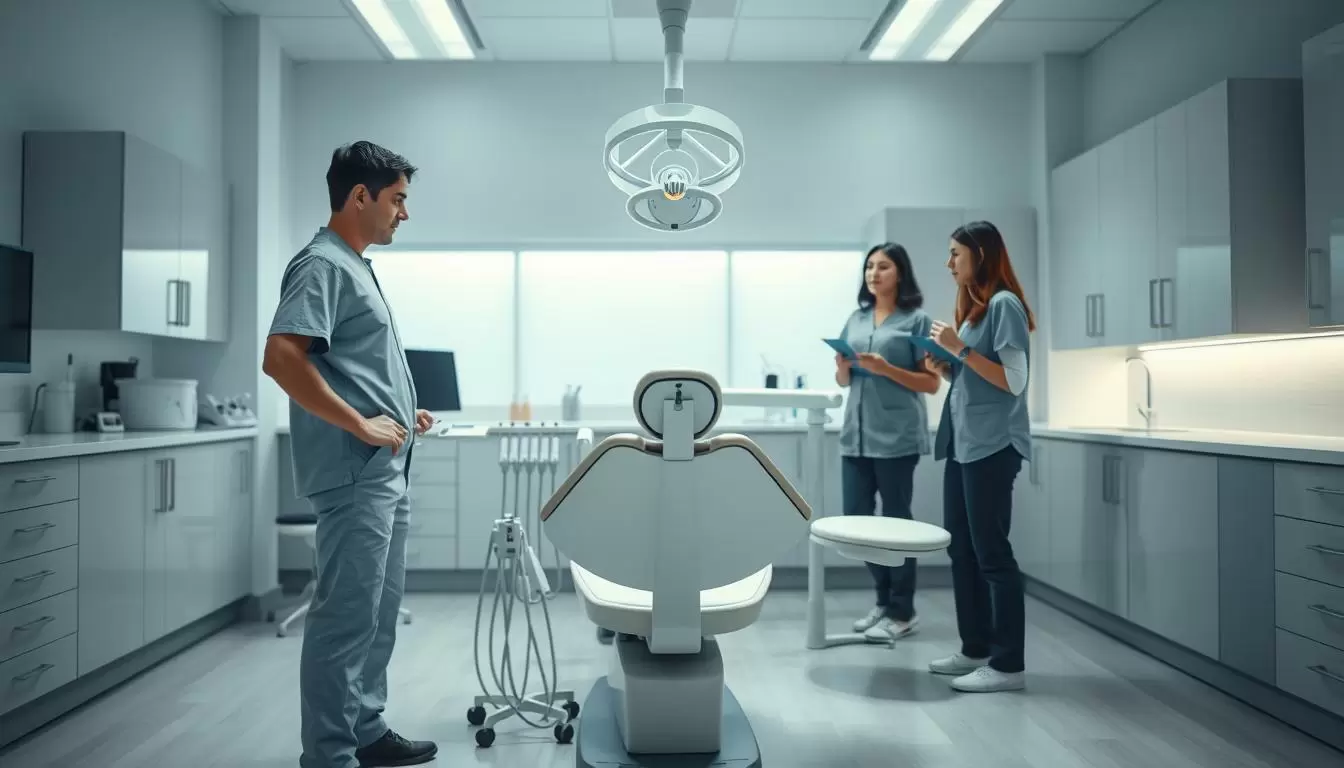
For buyers, the real question is whether the armrest lets the team work comfortably in the normal room position. If the answer depends on handedness, assistant position, or the delivery system, those details should be written into the final configuration rather than guessed from the product photo.
Types of Armrest Behavior Buyers May See
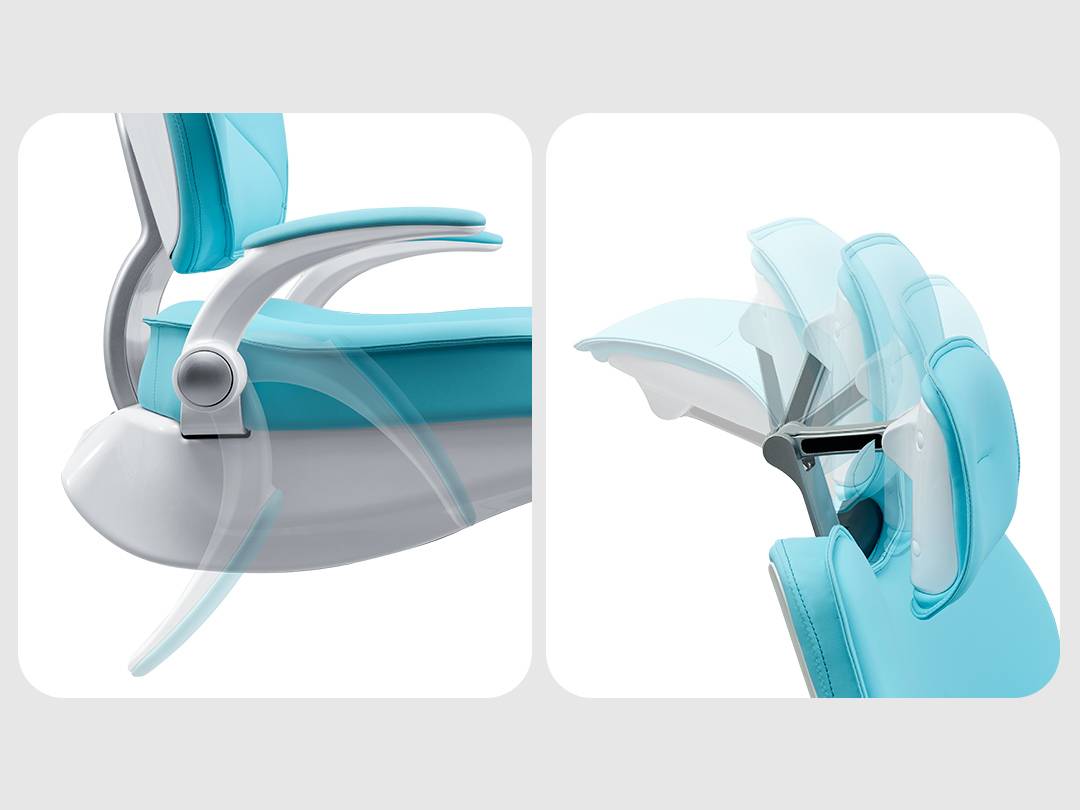
Armrest behavior is usually more useful than armrest branding. Some chairs have fixed armrests. Others have moveable or fold-away armrests. Some are designed to help the patient enter and exit more easily. The exact choice depends on the chair model and the way the clinic uses the room. There is no universal best option.
Buyers should ask how the armrest moves, how it supports the patient, and whether it remains comfortable during treatment. The supplier should explain the exact configuration for the selected model, not a generic family description.
Handedness and Room Layout
Left-handed and right-handed rooms may need different access patterns. The armrest should not block the side where the clinician or assistant needs to work. If the room is shared or will be used by different dentists, the buyer should check whether the armrest setup supports those variations.
Room layout matters as well. Cabinets, door swing, and delivery system placement can all affect how the armrest feels in daily use. Before final approval, the supplier should confirm the chosen setup on the room plan instead of leaving it as a loose catalog assumption.
Cleaning Workflow and Service Access
Armrests need to be easy to wipe and easy to maintain. If the design creates hidden corners or awkward gaps, cleaning becomes slower and less reliable. Buyers should ask which surfaces need daily attention and whether the staff can clean them without moving too many other parts.
Service access matters too. If the armrest mechanism or mount needs maintenance later, technicians should be able to reach it without taking apart the whole chair. Do not assume service access from the outside shape alone. Ask for the exact configuration and supporting documentation.
Compare Armrest Options
| Decision factor | What to compare | Supplier proof to request | Risk if skipped |
|---|---|---|---|
| Patient access | Does the armrest make sitting down and getting out easier? | Photo or walkthrough of the exact chair model. | Poor entry and exit flow. |
| Transfer safety | Does the design support stable movement for different patients? | Model-specific configuration sheet. | More awkward transfers. |
| Operator movement | Does it leave enough room for the dentist and assistant? | Room plan with operator zones marked. | Blocked reach or cramped workflow. |
| Handedness | Does the setup fit left- or right-handed use? | Written model confirmation. | Wrong side blocking the workflow. |
| Cleaning | Are surfaces easy to wipe every day? | Supplier cleaning guidance. | Slower turnover and missed touch points. |
| Service access | Can technicians reach the mount or mechanism later? | Service note or parts diagram. | Harder maintenance later. |
Buyer Checklist
- Does the armrest help patients sit and stand safely?
- Does it leave enough space for the dentist and assistant?
- Does the setup fit left- or right-handed use?
- Can the surfaces be cleaned easily every day?
- Can technicians access the mechanism later?
- Does the armrest work with the selected delivery system?
- Has the supplier confirmed the exact configuration in writing?
Common Mistakes
Buyers often choose armrests based on looks instead of access. They may forget to test entry and exit, or ignore the way the chair is used by different patients. Another mistake is assuming the armrest fits the operator side without checking the floor plan. A third is skipping service access because the chair appears simple from the outside.
Do not rely on the product title alone. Ask the supplier for the exact chair configuration and compare it with the room plan before approval.
FAQ
What does armrest design change in daily use?
It changes how patients enter and exit the chair, how safe transfer feels, and how much room the team has to work.
Are all armrests interchangeable?
No. Armrest behavior varies by chair model and configuration, so buyers should confirm compatibility in writing.
Does handedness affect armrest choice?
Yes. The armrest should not block the side where the clinician or assistant needs to work.
What should I check about cleaning?
Check whether the surfaces are easy to wipe and whether the design creates hidden corners or awkward gaps.
What should I ask the supplier before approval?
Ask how the armrest behaves, how it supports access, how it cleans, how it services, and whether the exact model is confirmed in writing.
Need help comparing dental chair armrest designs? Contact Anya Medical through the contact page with your chair model, room plan, and patient access questions.