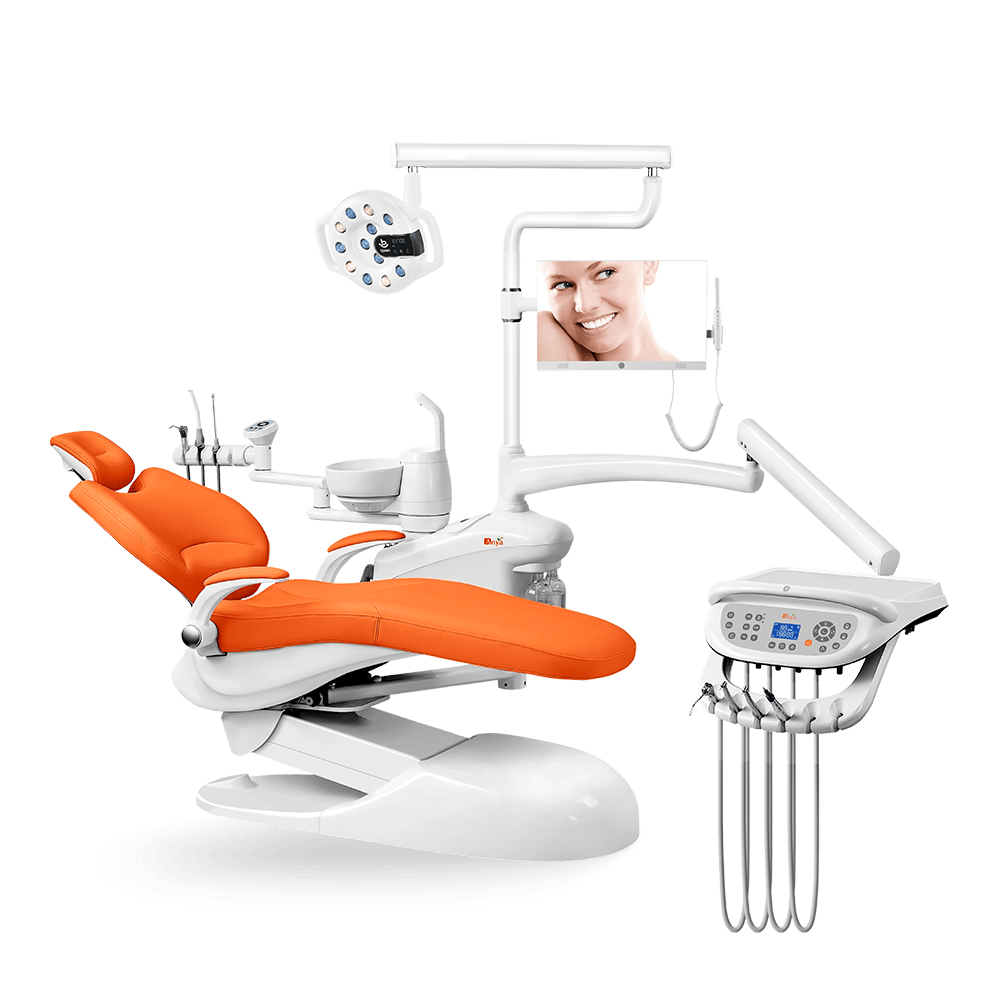
Built in dental light vs separate light is a practical question about visibility, installation, service access, and room planning. A built-in light can feel integrated with the chair and may keep the operatory looking compact. A separate operatory light can give more flexibility in placement and upgrades. Which one is better depends on the chair model, the room layout, and how the clinic wants to work. Buyers should confirm the exact lighting setup in writing before they place the order.
This guide is for clinic owners, dealers, and equipment buyers comparing lighting options for a dental operatory. If you are still planning the room, start with the dental operatory layout requirements guide. If you are choosing the chair family as well, review the dental chair unit category so the light choice fits the chair configuration. For light examples, browse the dental light category and confirmed product pages such as the H-Series LED Dental Light.
Why Lighting Choice Matters
Lighting changes how well the team sees the treatment area, how easy it is to work without shadows, and how clean the room feels around the chair. A good setup can make treatment flow feel smoother and reduce the need for constant adjustments. A poor one can create glare, dark spots, or awkward reach.
Buyers should think about the light as part of the workflow system. It is not only a brightness question. It is also an installation, service, and room planning question.
What Built-In Lighting Usually Means
Built-in lighting means the light is integrated with the chair or chair-family setup rather than installed as a separate operatory fixture. That can make the room feel more unified and may simplify the visual layout. But it can also tie the light choice more closely to the chair model and the original configuration.
Do not assume built-in means better. The buyer should confirm how the light mounts, how it moves, how it is serviced, and whether the selected model supports the clinic’s room plan. Product images show the general idea, but they do not prove the exact installation details.
What Separate Operatory Lighting Usually Means
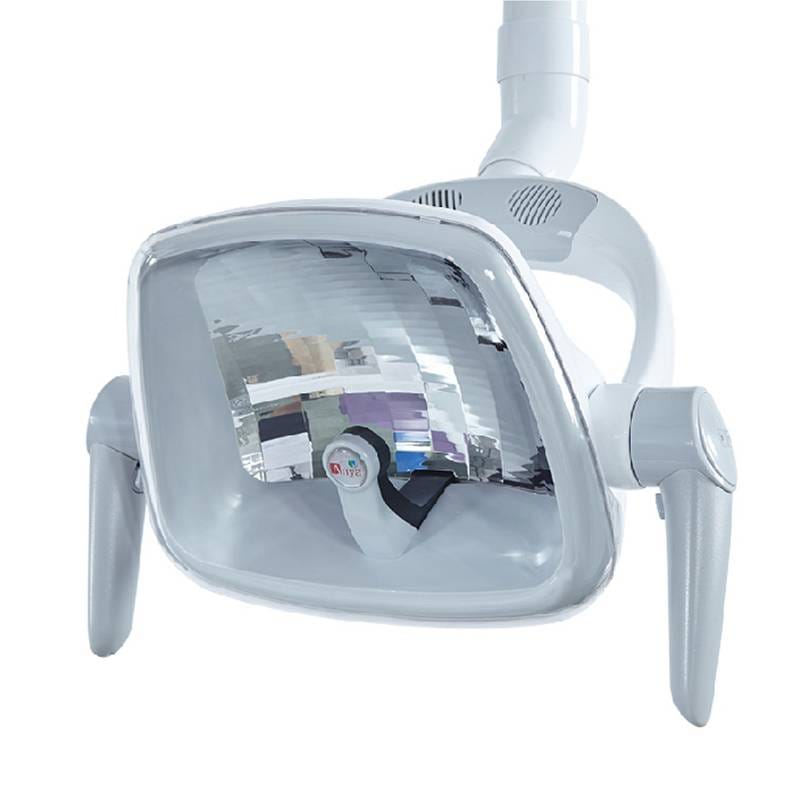
A separate operatory light is installed as its own fixture rather than being built into the chair package. That can give buyers more freedom in placement and may make later upgrades easier. It can also help if the clinic wants to standardize lighting across different chair models or room types.
The tradeoff is that separate lights bring their own mounting and routing questions. The buyer should ask where the light will be placed, how it will be maintained, and whether it works cleanly with the delivery system and room clearance.
Visibility and Shadows
Visibility is the main reason buyers compare lighting options. The operator needs a clear working field without shadows getting in the way. Either lighting style can work well if the installation is planned correctly. Either can also disappoint if the light is positioned badly or the chair layout blocks the beam.
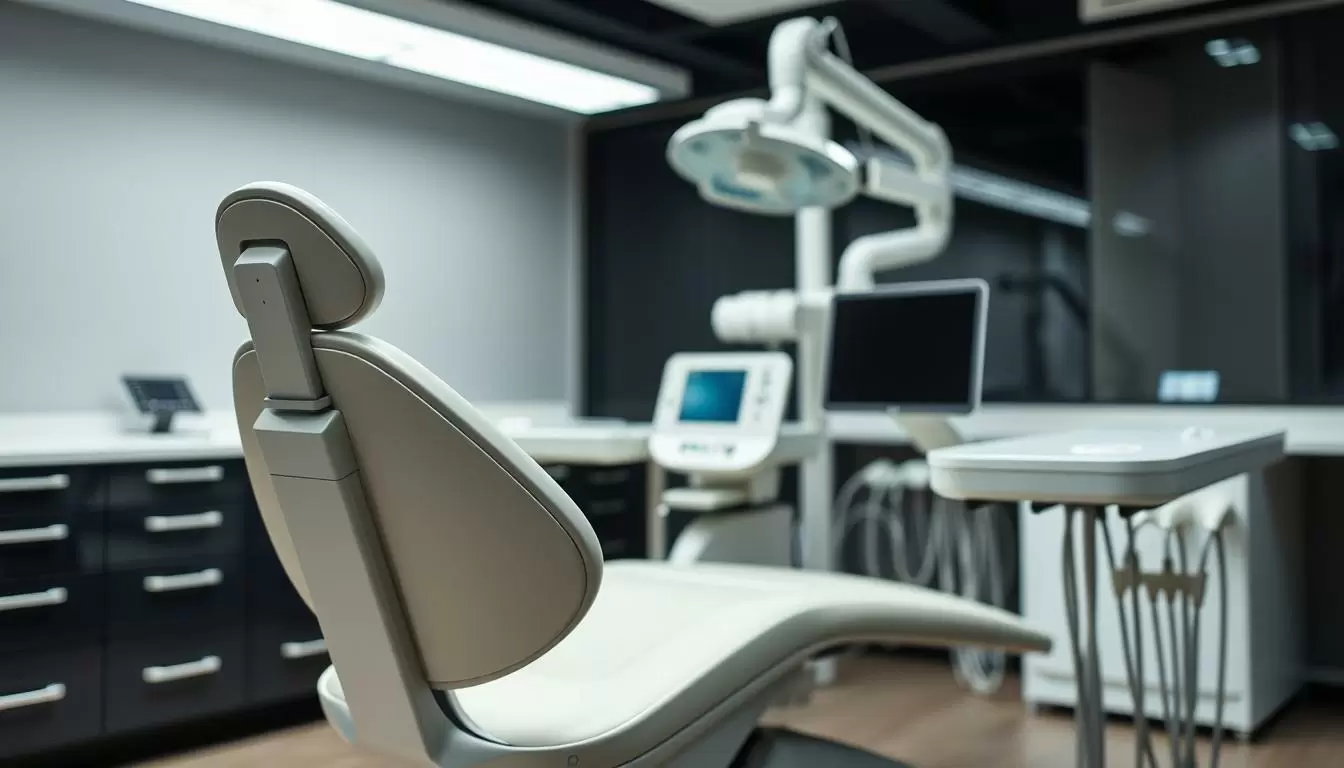
The buyer should ask how the light behaves in the actual operator position, whether it creates shadows at the mouth, and whether the light path is clear when the chair is reclined. That is more useful than asking which type sounds more advanced.
Installation and Service Access
Installation is one of the biggest differences. Built-in lights may be simpler to integrate with the chair family, but they can also be more tied to the original configuration. Separate lights may require more room planning at installation time, but they can sometimes be easier to adjust later if the clinic changes the room layout or wants to upgrade lighting independently.
Service access matters in both cases. Buyers should ask how technicians will reach the light, how components are replaced, and whether the chair, wall, or ceiling setup blocks maintenance. A good light choice is one that can actually be serviced without turning the room into a project.
Upgrade Flexibility and Room Planning
Some clinics want a lighting setup that is tightly integrated with the chair. Others want more freedom to change fixtures later. Separate lights may offer more upgrade flexibility, while built-in lights may offer a cleaner chair-family match. The right answer depends on whether the clinic is standardizing one room style or planning for future change.
Room planning should include the chair, the light, the delivery system, and the patient path together. If those pieces are not aligned, even a good light can feel poorly placed. Product examples such as the Dental Chair Light Nebula-L6 or Reflective LED Dental Light Nebula-FS can help buyers start a discussion, but the supplier should still confirm the final layout in writing.
Cleaning and Daily Workflow
Cleaning should not be guessed from the light type alone. The buyer should ask which surfaces are touched during daily use, how the fixture is wiped, and whether there are hidden areas around the mount. A built-in light may be easier to think about as part of the chair, while a separate light may add a different set of surfaces. Neither option is automatically cleaner.
Workflow also matters. If the light is always in the wrong position, the team will keep adjusting it. A light that moves naturally with the room helps the operator stay focused on treatment instead of fiddling with the setup.
Compare Lighting Options
| Decision factor | Built-in light | Separate light | What to confirm |
|---|---|---|---|
| Visibility | Can feel compact and integrated if planned well. | Can be placed more independently if the room allows. | Shadow control in the real operator position. |
| Installation | Tied more closely to the chair family. | Can be planned as a separate fixture. | Mounting and routing details in the manual. |
| Service access | May depend on chair access panels. | May depend on the light mount and room setup. | How technicians will reach the fixture later. |
| Upgrade flexibility | Can be less flexible if tied to the chair package. | Can be easier to change independently. | Whether the clinic expects future changes. |
| Cleaning | Integrated surfaces may be easier to think through. | Separate mounting adds a different set of touch points. | Daily wipe-down and barrier routine. |
| Room planning | Works best when the chair and light are designed together. | Works best when the room allows more fixture freedom. | Patient path, delivery system, and ceiling or wall clearance. |
Buyer Checklist
- Does the light support clear visibility in the real operator position?
- Does it create shadows or glare?
- Is the light built into the chair or installed separately?
- Can technicians service it later?
- Does it fit the clinic’s expected upgrade plan?
- Can staff clean the surfaces easily?
- Does it fit the chair, delivery system, and room layout together?
- Has the supplier confirmed the exact setup in writing?
Common Mistakes
Buyers often choose lighting from a catalog without checking the room. They may assume built-in means better or separate means more flexible without confirming the real layout. Another mistake is ignoring service access after installation. A third is forgetting that the light must work with the chair position and the delivery system, not just look good in isolation.
Do not make the lighting decision from a product name alone. Ask for the exact configuration, then compare it with the chair model and the room plan.
FAQ
What is the main difference between built-in and separate lights?
Built-in lights are integrated with the chair family, while separate lights are installed as their own fixture. That affects installation, service, and room planning.
Which one gives better visibility?
Either can work well if the light is positioned correctly. Buyers should check the actual operator position and shadow behavior.
Which one is easier to upgrade later?
Separate lights may offer more upgrade flexibility, but it depends on the model and room setup.
Should I choose based on cleaning?
Cleaning is important, but it should be checked on the actual fixture and mount. Do not assume one type is automatically cleaner.
What should I ask the supplier before approval?
Ask how the light installs, how it is serviced, how it fits the chair, how it affects visibility, and whether the exact configuration is confirmed in writing.
Need help comparing built in dental light vs separate light? Contact Anya Medical through the contact page with your chair model, room plan, and lighting questions.