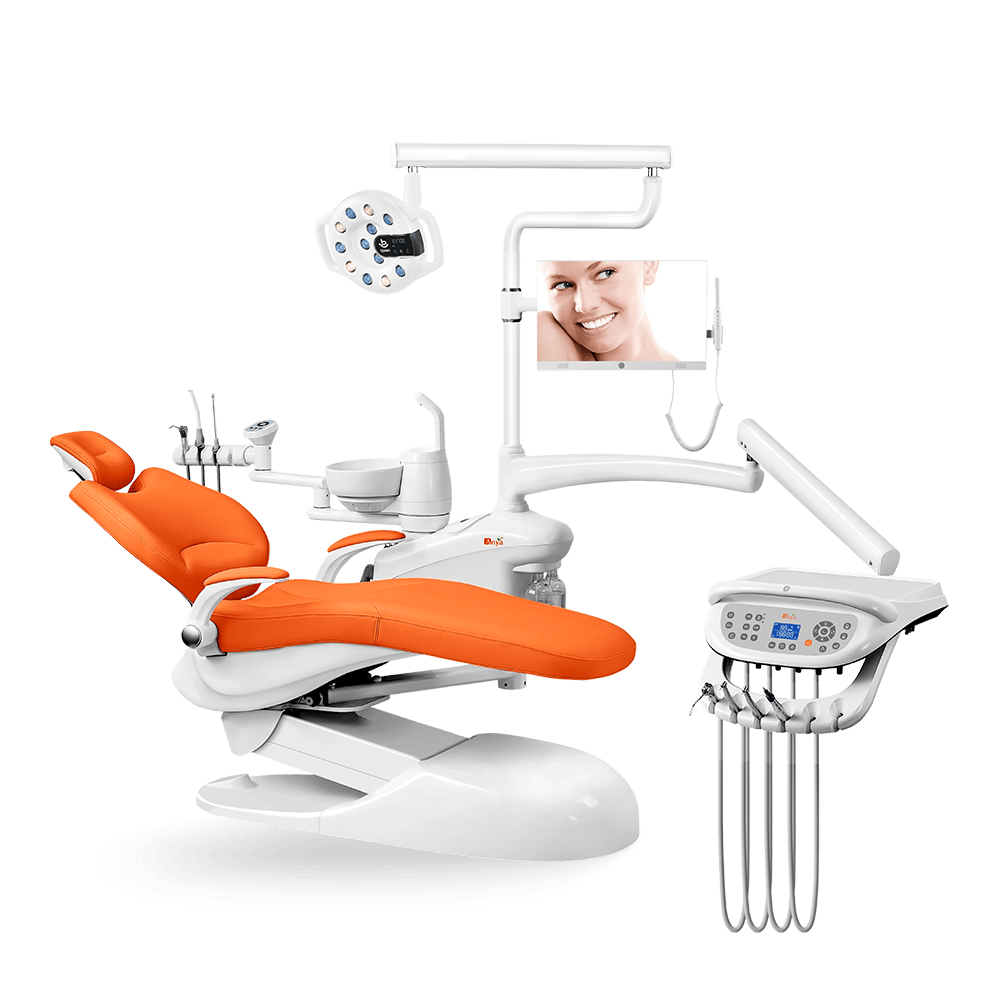


An implant operatory equipment checklist should connect the chair, light, suction, stool, assistant access, utilities, cleaning workflow, documentation, and service plan before the room is built or the order is approved. The goal is not to label one chair as a universal implant solution. The goal is to confirm that the exact equipment package supports the clinic’s intended procedure mix, room layout, team movement, and after-sales support.
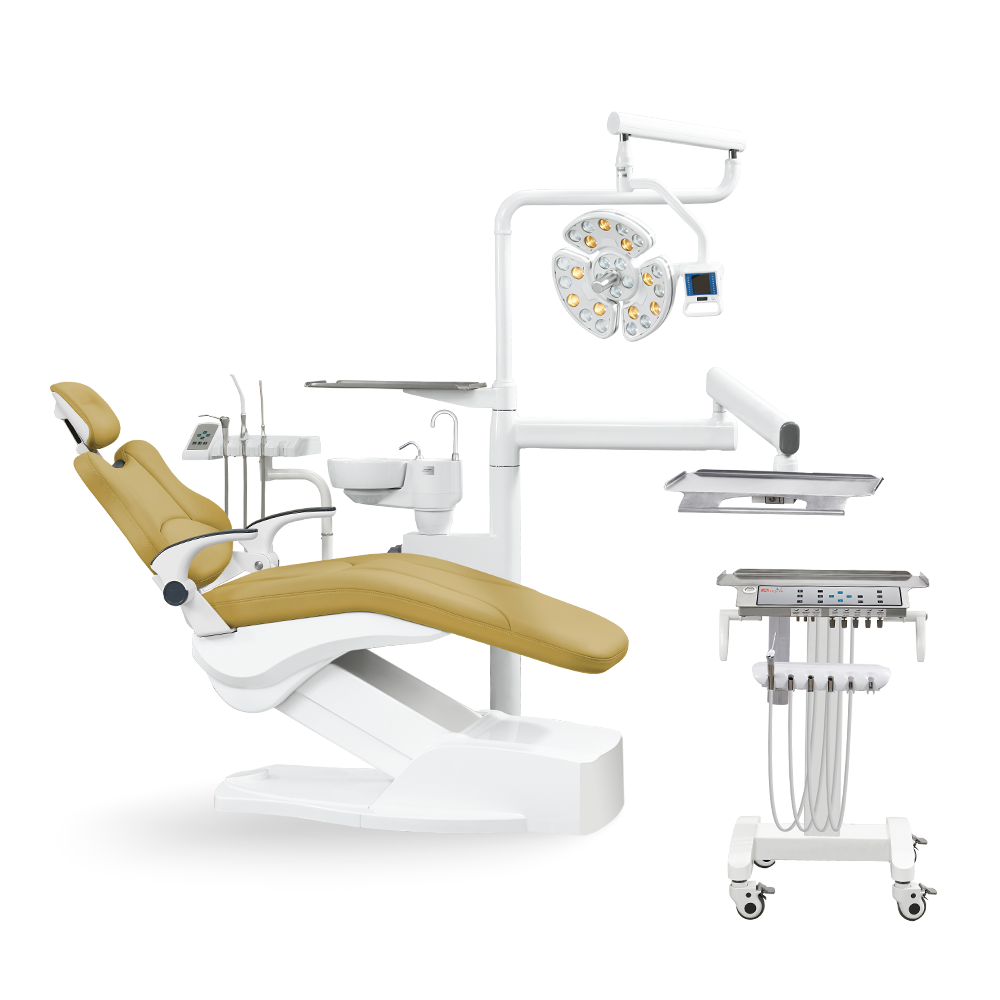
This guide is for clinic owners, project planners, and dental equipment dealers preparing an implant-focused treatment room. It supports purchasing and layout planning; it is not surgical or medical advice. For related background, review Anya’s implantology chair guideEl dental operatory layout requirements, and the dental chair unit category before sending a final equipment request.
Start With the Chair as the Room Anchor
The dental chair determines where the patient sits, how the clinician reaches the oral cavity, where the assistant stands, how the light approaches the field, and how service technicians reach the equipment later. For an implant operatory, the chair should be reviewed as the anchor of the room rather than as a standalone purchase.
Buyers should confirm patient entry, recline path, headrest support, armrest access, assistant-side clearance, delivery configuration, utility assumptions, and service clearance for the exact model. If the room is still being built, share the room plan with the supplier and installer before ordering. A chair that looks suitable in a catalog can still create workflow friction if it collides with cabinets, stools, carts, or suction hose routes.
Light Planning for Visibility and Workflow
Lighting is part of implant-room workflow because it affects visibility, operator posture, assistant movement, and touchpoints during treatment. Buyers may compare a chair-mounted or built-in light with a separate operatory light, but the best choice depends on the room layout, chair position, service access, and the team’s working habits.
Do not choose a light from a product photo alone. Ask how the selected light moves around the chair, whether it can reach the intended working area, how handles or touched surfaces are cleaned according to the manufacturer’s instructions, and how the light will be serviced later. If you are still comparing lighting options, use the built-in LED dental light vs separate operatory light guide and browse the dental light category.

Suction Planning Around the Assistant Side
Suction is often treated as a utility decision, but in an implant operatory it should be planned as an assistant-side workflow decision. The team needs clear reach, hose routing, cleaning access, and maintenance responsibility. A central, built-in, portable, or hybrid suction arrangement may be appropriate depending on room count, building utilities, procedure mix, and service support.
Before ordering, confirm where suction equipment will sit, where hoses will run, how the assistant reaches suction during treatment, and whether service access remains available after cabinets and flooring are finished. For a deeper comparison, review dental chair suction integration and the dental suction unit category.
Stool and Team Ergonomics
The chair can be well chosen and still fail the room if the stools do not move cleanly. Dentist and assistant stool paths should be reviewed with the chair, delivery system, cabinets, patient entry, and cart or tray location. The operator should not have to work around blocked drawers or squeeze past the chair base to reach the patient.
Stool planning should include the normal working positions for the dentist and assistant, height adjustment needs, foot space, cabinet clearance, and whether the assistant can work without twisting across the patient path. The room should also leave space for safe patient entry and exit before and after the procedure.
Assistant Unit and Instrument Reach
Implant-room planning should include the assistant unit and instrument reach early. Suction placement, tray access, controls, handoff path, clean and used item flow, and accessory storage all affect how the team works. If the assistant has to cross the patient entry path or reach behind the chair repeatedly, the equipment package needs another review.
Use a simple room walkthrough before final approval: where does the dentist sit, where does the assistant sit, where is suction, where are instruments placed, where is the light handle, and where do used items go? This keeps the room practical rather than just visually complete.
Utilities, Cleaning Flow, and Documentation
Utilities should be confirmed before installation, not solved during delivery. Electrical supply, air, water, drainage, suction routing, shutoff access, and service panels should be reviewed by the supplier, installer, contractor, and clinic team. The exact requirements depend on the selected equipment and local installation conditions.
Cleaning workflow should follow manufacturer instructions, clinic policy, and applicable local requirements. From a purchasing perspective, the buyer should ask how touched surfaces, hoses, handles, accessories, light controls, and chair-side areas will be cleaned between appointments. Ask for model-specific instructions instead of relying on generic assumptions.
Documentation matters after the room opens. Keep the final configuration sheet, manuals, cleaning instructions, service contacts, maintenance records, and spare-parts references in one place. A room that is well documented is easier to train, service, troubleshoot, and repeat in another clinic location.
Run a Pre-Purchase Room Walkthrough
Before approving the order, run a simple room walkthrough on paper or with the installer. Place the chair first, then mark where the dentist, assistant, patient, light, suction, stool, cart, cabinets, and waste or instrument flow will sit. The walkthrough does not need to be complicated. It only needs to reveal whether the equipment package can work together in the real room.
Use the walkthrough to check patient entry, chair recline, stool movement, assistant reach, light path, suction hose route, cabinet clearance, and service access. If one item blocks another, solve it before the equipment ships. A small layout correction before purchase is easier than reworking plumbing, electrical access, or cabinet placement after installation.
The final order file should include the selected chair model, light choice, suction plan, assistant-unit configuration, stool expectations, utility notes, included accessories, and service contact route. If the supplier changes any component after the first quote, update the checklist and repeat the review.
Implant Operatory Equipment Checklist
| Area | What to check | Safe buyer question |
|---|---|---|
| Silla | Patient positioning, recline path, headrest support, armrest access, service clearance, and delivery compatibility. | Does this exact chair configuration fit the implant room layout and team workflow? |
| Light | Built-in or separate setup, movement range, shadow management, touched surfaces, and service access. | Can the supplier confirm the light setup for the selected chair and room plan? |
| Suction | Assistant-side reach, suction type, hose route, cleaning access, and maintenance responsibility. | Which suction arrangement fits this room, procedure mix, and service plan? |
| Stool | Dentist and assistant positions, height adjustment, movement path, and cabinet clearance. | Can both stools move without colliding with chair arms, trays, carts, or cabinets? |
| Assistant unit | Suction position, tray access, controls, handoff path, and clean/used item flow. | Can the assistant work without twisting or blocking patient entry? |
| Servicios | Electrical, air, water, drainage, suction routing, shutoff, and service access. | What utility assumptions must the contractor confirm before installation? |
| Cleaning workflow | Touched surfaces, removable parts, handles, hoses, and model-specific instructions. | How will staff clean equipment according to manufacturer instructions and clinic policy? |
| Documentación | Manuals, configuration sheet, training notes, maintenance records, and responsible staff. | What documents and training are available for the exact ordered setup? |
| Service and spares | Chair, light, suction, stool, and accessory service points plus replacement references. | Which spare parts should be identified, and who handles service requests? |
Common Mistakes
- Buying the implant chair before confirming light, suction, stool, assistant unit, utilities, and room layout.
- Choosing lighting from catalog photos without checking reach, service access, and cleaning touchpoints.
- Treating suction as a late plumbing decision instead of an assistant workflow decision.
- Forgetting stool movement, cabinet clearance, and patient entry path.
- Assuming an implant label proves the chair solves every room-planning detail.
- Mixing chair, light, suction, and delivery components without written compatibility confirmation.
- Making infection-control or clinical-outcome claims that are not part of product documentation or clinic policy.
Manufacturer and Dealer Perspective
Manufacturers and dealers need a clear room brief before recommending a configuration. The brief should include room size, target chair model, intended procedure mix, preferred delivery style, light expectation, suction arrangement, utility assumptions, stool needs, and service questions. Without that information, the quote can become a list of products rather than a working operatory plan.
Clinic buyers should also ask what remains their responsibility. Contractors may need to confirm utilities. Clinical leadership may need to define infection-control workflow. Local professionals may need to review installation or compliance requirements. The supplier can support equipment selection, but the clinic should keep the final room decision grounded in its own workflow and local requirements.
What to Send With an Equipment Inquiry
A better inquiry produces a better recommendation. Instead of asking for an implant room package in one sentence, send the supplier a short brief that includes room dimensions, existing utilities if known, the preferred chair model, right- or left-handed workflow, planned light type, suction preference, storage constraints, and the number of operators who will use the room. If the clinic already has a contractor or installer, include that contact path so technical questions can be answered early.
Photos, sketches, and simple notes are useful as long as they are labeled clearly. Mark the door, cabinets, sink, utility points, patient entry path, and where staff expect to sit. The supplier can then respond with model-specific questions instead of guessing how the chair, light, suction, and stool should fit together.
PREGUNTAS FRECUENTES
What equipment belongs in an implant operatory checklist?
The checklist should cover the dental chair, light, suction, stool, assistant unit, instruments and accessories, utilities, cleaning workflow, documentation, training, service route, and spare-parts references.
Is an implant dental chair different from a general dental chair?
It may be configured for specialty positioning and workflow, but buyers must verify the exact chair model, delivery setup, accessories, room fit, and service support before ordering.
Should an implant room use built-in or separate lighting?
Either may work depending on the room. Compare visibility, reach, installation, service access, cleaning touchpoints, and future upgrade needs before deciding.
What suction setup is best for an implant operatory?
There is no universal best option. Confirm central, built-in, portable, or hybrid suction based on room count, workflow, maintenance, utility plan, and supplier guidance.
What should buyers send before asking for a recommendation?
Send the room layout, target chair model, procedure mix, preferred light and suction setup, utility assumptions, stool requirements, and service questions.
Planning an implant operatory equipment package? Browse Anya’s dental chair units, dental lightsy dental suction units, then contact Anya Medical with your room plan and configuration questions.