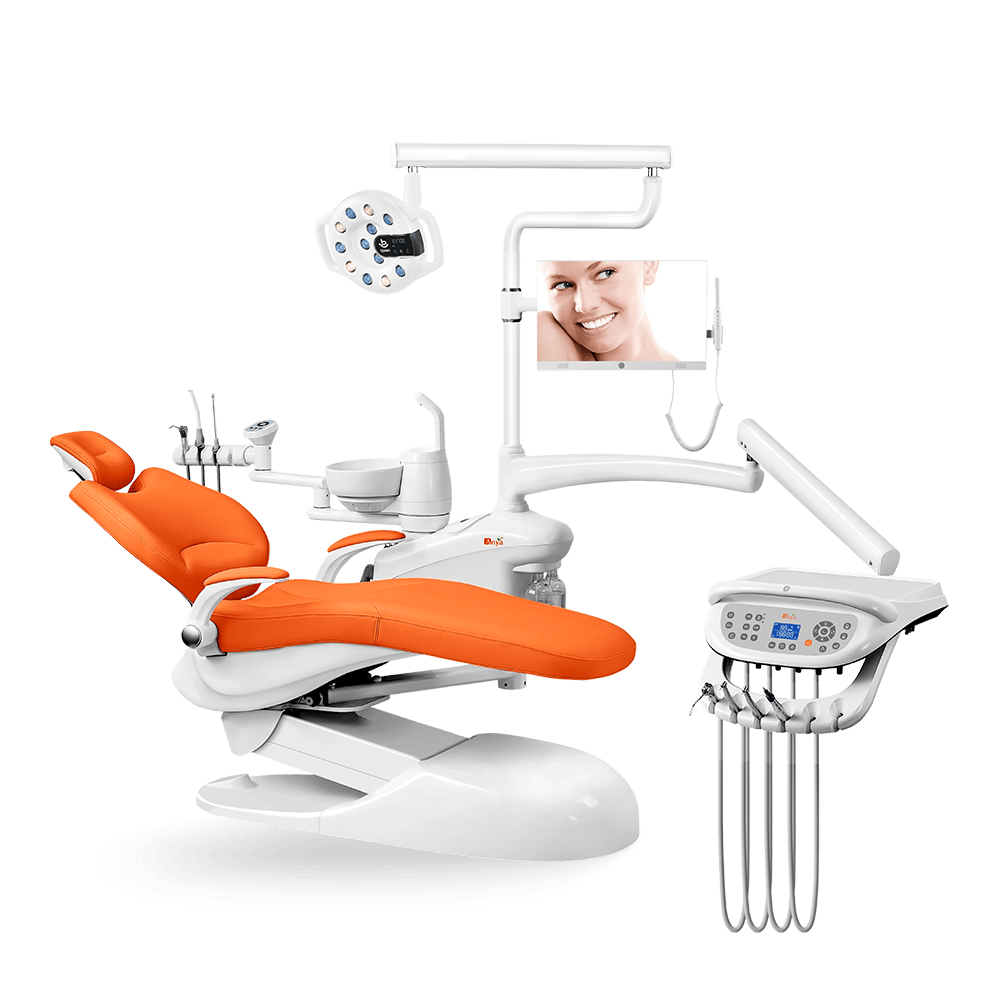
Hydraulic Systems in Dental Chairs: Components and Maintenance Guide

Progreso en la lectura

Hydraulic systems remain common in dental chairs because they can provide stable lifting, controlled reclining, and smooth patient positioning when pumps, valves, cylinders, seals, and linkages are maintained correctly.

This guide explains the main hydraulic components, practical maintenance checks, and procurement questions clinics should use when comparing traditional hydraulic, electric, or hybrid chair systems.

Evolución de la tecnología hidráulica en los sillones dentales: De las bombas manuales a la ingeniería de precisión

¿Cómo pasaron los sillones dentales de las chirriantes manivelas a los silenciosos sistemas hidráulicos?

Hydraulic dental chairs evolved from manual lifting mechanisms into systems that combine pumps, valves, cylinders, and electronic controls. Historical comparisons should be used for context, while procurement decisions should rely on the current model’s documentation.

Principales hitos en el desarrollo de sillones dentales hidráulicos

EraCommon developmentBuyer review point
Early mechanical systemsManual lift and basic recline supportCheck stability, service condition, and replacement-parts availability
Electro-hydraulic systemsValves and powered movement controlsReview noise, motion smoothness, and service access
Modern systemsProgrammable controls and service reminders where supportedConfirm documented features for the exact selected model

From Manual Movement to Controlled Positioning

Modern clinics should compare chair movement by load capacity, transition smoothness, noise, control layout, service manual clarity, and technician support rather than by fixed performance claims.

Why Clinics Still Consider Hydraulic Dental Chairs

Hydraulic chairs may still fit clinics that need stable movement, familiar service procedures, and predictable mechanical access. Suitability depends on the model, local technician support, spare parts, and clinic workload.

  • Load support: confirm rated capacity and movement behavior under daily clinic use
  • Serviceability: check pump, seal, hose, valve, and cylinder access before purchase
  • Ownership planning: compare maintenance schedule, parts availability, warranty terms, and technician coverage

Las partes esenciales de los sistemas hidráulicos tradicionales en los sillones dentales

Traditional hydraulic dental chair systems rely on a few core parts. Each part should be reviewed by condition, service access, and replacement availability.

Core Components and Their Functions

ComponenteRole in the chairMaintenance check
Pump unitGenerates pressure for chair movementListen for unusual noise, overheating, hesitation, or leaks
Cylinders and sealsConvert pressure into lift or recline movementInspect for fluid leakage, drift, and inconsistent motion
Válvulas de controlDirect flow for controlled movementCheck smooth response and service documentation
Linkages and frameTransfer movement to the chair structureInspect wear, corrosion, looseness, and lubrication needs

Power Generation: Hydraulic Pump Unit

The pump should be checked against the product manual for operating symptoms, fluid condition, service interval, and technician requirements.

Motion Conversion: Pistons and Linkages

Pistons, cylinders, and linkages should move smoothly without drift, sudden stops, unusual sound, or visible leakage.

Hidden Challenges: Valves and Fluid Issues

Common risks include contaminated fluid, aging seals, sticky valves, loose fittings, and delayed service. Record symptoms early and schedule qualified inspection before they interrupt patient care.

Hydraulic System Improvements to Evaluate

Modern hydraulic and hybrid designs may offer quieter motion, improved controls, better sealing, easier access, and service reminders. Buyers should confirm which features are documented for the exact model.

Feature areaWhat to compareEvidence to request
Pressure controlSmooth start, stop, lift, and recline behaviorModel specification and hands-on demonstration
Energy behaviorPump, motor, standby, and accessory loadSpecification sheet and clinic operating assumptions
Sealing and fluid pathLeak resistance and maintenance stepsManual, warranty language, and service schedule
Maintenance supportAlerts or service reminders where availableDocumentation of what is monitored and who responds

Pressure Control and Movement Quality

Evaluate movement smoothness with actual staff and procedure positions, not only with brochure claims.

Energy and Maintenance Planning

Energy use and maintenance cost depend on chair count, usage hours, accessory load, local service pricing, and parts availability.

Replacement Parts and Custom Components

For custom or model-specific parts, confirm lead time, distributor support, installation requirements, and warranty impact before purchase.

  • Canales de fluido en laberinto que reducen las turbulencias
  • Aleaciones ligeras de titanio (40% más ligero que el acero)
  • Caudales específicos para cada paciente en los modos ortopédico y quirúrgico

Traditional vs. Modern Dental Chair Systems: Practical Comparison

A useful comparison should focus on workflow fit, service access, movement quality, noise, energy behavior, and long-term support. The best option varies by clinic type and technician coverage.

Comparación cara a cara: Métricas clave

Review areaTraditional hydraulic systemModern or hybrid systemBuyer question
MovementFamiliar mechanical movementMay offer smoother programmed controlCan staff position patients consistently?
NoiseDepends heavily on pump and maintenance conditionMay reduce movement noiseHas the clinic tested the chair in person?
Energy useDepends on pump and operating patternDepends on motor, standby, and accessoriesCan the supplier provide model data?
MantenimientoMechanical parts may be serviceable locallyMay need specific parts or diagnosticsWho provides service in the target market?
PosicionamientoAdequate for many routine workflowsMay offer more repeatable presetsDo presets match common procedures?

Avoid estimating time savings or annual savings until the clinic has chair count, procedure mix, staff workflow, and service pricing data.

  • Válvulas de calibración automática
  • Cómo los modernos sillones dentales transforman los resultados clínicos y la eficiencia de las clínicas

    En Médico Anyadonde diseñamos sillones dentales que se utilizan en más de 12.000 clínicas de todo el mundo, nuestros sistemas repercuten directamente tanto en la satisfacción de los pacientes como en la rentabilidad de las consultas. Así es como los sillones de última generación resuelven tres retos críticos:

    Clinical Workflow Areas Affected by Chair Movement

    AreaHydraulic-system relevanceWhat to check
    ErgonomíaChair movement affects operator reach and postureBackrest shape, headrest access, chair height, and assistant-side workflow
    Infection controlMovement systems must tolerate routine cleaning workflowSurface access, approved disinfectants, and waterline/suction maintenance
    Room turnoverPositioning and controls affect setup consistencyStaff process, presets, training, and documentation

    Ergonomics and Practitioner Access

    Review whether chair height, backrest shape, headrest adjustment, and foot controls help the operator maintain access without awkward posture.

    Infection-Control Workflow

    Hydraulic components should be protected from cleaning chemical damage, fluid contamination, and poorly documented maintenance steps.

    Workflow Optimization

    Use clinic-specific observations to estimate workflow impact. Generic annual-hour claims should not be used as procurement evidence.

    Resultado: Metro Dental Group redujo los tiempos de cita en 22% utilizando estas funciones.

    Dental Chair Hydraulic Trends to Review

    When reviewing new chair technology, separate documented features from future-facing marketing language. Ask whether the feature is available now, serviceable locally, and relevant to the clinic’s procedure mix.

    Technology Comparison Checklist

    Trend areaPotential valueBuyer verification
    Service remindersMay help schedule maintenanceConfirm what is monitored and what staff must still record
    Lower-impact materialsMay support sustainability goalsRequest material documentation and disposal guidance
    Hybrid powerMay balance smooth movement and controlReview exact configuration, service access, and warranty
    Improved sealsMay reduce leak riskAsk for maintenance instructions and replacement availability
    Energy managementMay reduce standby or accessory loadEstimate with local rates and actual chair usage

    Industry Challenges: Cost, Skills, and Documentation

    Modernization decisions should account for upgrade budget, technician training, spare-part supply, documentation requirements, and whether retrofit options are safer than full replacement.

    • Cost planning: compare current repair history with replacement quotes and expected service support
    • Technician availability: confirm whether local technicians can service pumps, valves, electronics, and accessories
    • Documentation: request market-specific manuals, declarations, warranty terms, and maintenance instructions
  • Normas mundiales: Protocolos EN 60601-1/ISO 13485 precargados
  • Preguntas frecuentes

    Are hydraulic dental chairs still a good choice for clinics?

    Yes, when the model fits the clinic workflow and local service support is available. Buyers should review movement quality, parts availability, maintenance steps, and warranty terms.

    What maintenance do hydraulic dental chair systems need?

    Common checks include fluid condition, seals, hoses, pump sound, cylinder drift, valve response, linkage wear, and cleaning-chemical compatibility.

    When should a clinic replace a hydraulic dental chair?

    Replacement should be considered when repairs become frequent, parts are difficult to source, movement is inconsistent, or the chair no longer supports the clinic’s procedure mix.

    {“@context”:”https://schema.org”,”@type”:”FAQPage”,”mainEntity”:[{“@type”:”Question”,”name”:”Are hydraulic dental chairs still a good choice for clinics?”,”acceptedAnswer”:{“@type”:”Answer”,”text”:”Hydraulic chairs can still be suitable when movement quality, service access, parts availability, and warranty support fit the clinic’s needs.”}},{“@type”:”Question”,”name”:”What maintenance do hydraulic dental chair systems need?”,”acceptedAnswer”:{“@type”:”Answer”,”text”:”Clinics should monitor fluid condition, seals, hoses, pump sound, cylinder drift, valve response, linkage wear, and cleaning compatibility.”}},{“@type”:”Question”,”name”:”When should a clinic replace a hydraulic dental chair?”,”acceptedAnswer”:{“@type”:”Answer”,”text”:”Consider replacement when repairs are frequent, parts are hard to source, movement is inconsistent, or the chair no longer supports the clinic’s workflow.”}}]}

    Conclusión

    Hydraulic systems should be evaluated through documented component quality, service access, maintenance planning, movement smoothness, and fit with the clinic’s daily procedures.

    Deja una respuesta

    Tu dirección de correo electrónico no será publicada. Los campos obligatorios están marcados con *

    es_ESSpanish
    Contacto

    Rellene el siguiente formulario y un representante se pondrá en contacto con usted lo antes posible.

    Nombre(Obligatorio)
    Díganos qué le preocupa. ¿Tienes alguna pregunta? Pregúntanos.
    Contacto

    Rellene el siguiente formulario y un representante se pondrá en contacto con usted lo antes posible.

    Nombre(Obligatorio)
    Díganos qué le preocupa. ¿Tienes alguna pregunta? Pregúntanos.