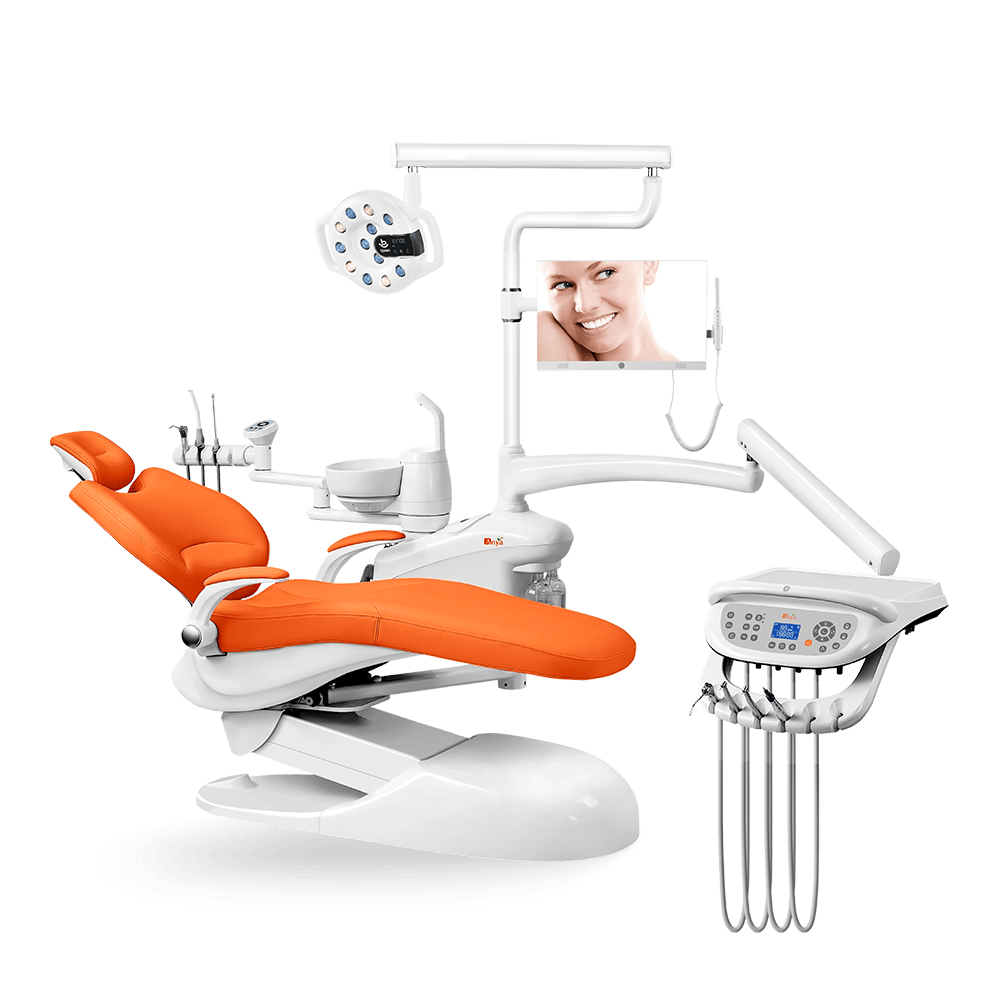
Hydraulic systems remain common in dental chairs because they can provide stable lifting, controlled reclining, and smooth patient positioning when pumps, valves, cylinders, seals, and linkages are maintained correctly.
This guide explains the main hydraulic components, practical maintenance checks, and procurement questions clinics should use when comparing traditional hydraulic, electric, or hybrid chair systems.
The Evolution of Hydraulic Technology in Dental Chairs: From Manual Pumps to Precision Engineering
How did dental chairs transition from creaky hand-cranks to whisper-quiet hydraulics?
Hydraulic dental chairs evolved from manual lifting mechanisms into systems that combine pumps, valves, cylinders, and electronic controls. Historical comparisons should be used for context, while procurement decisions should rely on the current model’s documentation.
Key Milestones in Hydraulic Dental Chair Development
Era
Common development
Buyer review point
Early mechanical systems
Manual lift and basic recline support
Check stability, service condition, and replacement-parts availability
Electro-hydraulic systems
Valves and powered movement controls
Review noise, motion smoothness, and service access
Modern systems
Programmable controls and service reminders where supported
Confirm documented features for the exact selected model
From Manual Movement to Controlled Positioning
Modern clinics should compare chair movement by load capacity, transition smoothness, noise, control layout, service manual clarity, and technician support rather than by fixed performance claims.
Why Clinics Still Consider Hydraulic Dental Chairs
Hydraulic chairs may still fit clinics that need stable movement, familiar service procedures, and predictable mechanical access. Suitability depends on the model, local technician support, spare parts, and clinic workload.
Load support: confirm rated capacity and movement behavior under daily clinic use
Serviceability: check pump, seal, hose, valve, and cylinder access before purchase
Ownership planning: compare maintenance schedule, parts availability, warranty terms, and technician coverage
The Essential Parts of Traditional Hydraulic Systems in Dental Chairs
Traditional hydraulic dental chair systems rely on a few core parts. Each part should be reviewed by condition, service access, and replacement availability.
Core Components and Their Functions
Component
Role in the chair
Maintenance check
Pump unit
Generates pressure for chair movement
Listen for unusual noise, overheating, hesitation, or leaks
Cylinders and seals
Convert pressure into lift or recline movement
Inspect for fluid leakage, drift, and inconsistent motion
Control valves
Direct flow for controlled movement
Check smooth response and service documentation
Linkages and frame
Transfer movement to the chair structure
Inspect wear, corrosion, looseness, and lubrication needs
Power Generation: Hydraulic Pump Unit
The pump should be checked against the product manual for operating symptoms, fluid condition, service interval, and technician requirements.
Motion Conversion: Pistons and Linkages
Pistons, cylinders, and linkages should move smoothly without drift, sudden stops, unusual sound, or visible leakage.
Hidden Challenges: Valves and Fluid Issues
Common risks include contaminated fluid, aging seals, sticky valves, loose fittings, and delayed service. Record symptoms early and schedule qualified inspection before they interrupt patient care.
Hydraulic System Improvements to Evaluate
Modern hydraulic and hybrid designs may offer quieter motion, improved controls, better sealing, easier access, and service reminders. Buyers should confirm which features are documented for the exact model.
Feature area
What to compare
Evidence to request
Pressure control
Smooth start, stop, lift, and recline behavior
Model specification and hands-on demonstration
Energy behavior
Pump, motor, standby, and accessory load
Specification sheet and clinic operating assumptions
Sealing and fluid path
Leak resistance and maintenance steps
Manual, warranty language, and service schedule
Maintenance support
Alerts or service reminders where available
Documentation of what is monitored and who responds
Pressure Control and Movement Quality
Evaluate movement smoothness with actual staff and procedure positions, not only with brochure claims.
Energy and Maintenance Planning
Energy use and maintenance cost depend on chair count, usage hours, accessory load, local service pricing, and parts availability.
Replacement Parts and Custom Components
For custom or model-specific parts, confirm lead time, distributor support, installation requirements, and warranty impact before purchase.
Labyrinth fluid channels reducing turbulence
Lightweight titanium alloys (40% lighter than steel)
Patient-specific flow rates for ortho vs. surgical modes
Traditional vs. Modern Dental Chair Systems: Practical Comparison
A useful comparison should focus on workflow fit, service access, movement quality, noise, energy behavior, and long-term support. The best option varies by clinic type and technician coverage.
Head-to-Head Comparison: Key Metrics
Review area
Traditional hydraulic system
Modern or hybrid system
Buyer question
Movement
Familiar mechanical movement
May offer smoother programmed control
Can staff position patients consistently?
Noise
Depends heavily on pump and maintenance condition
May reduce movement noise
Has the clinic tested the chair in person?
Energy use
Depends on pump and operating pattern
Depends on motor, standby, and accessories
Can the supplier provide model data?
Maintenance
Mechanical parts may be serviceable locally
May need specific parts or diagnostics
Who provides service in the target market?
Positioning
Adequate for many routine workflows
May offer more repeatable presets
Do presets match common procedures?
Avoid estimating time savings or annual savings until the clinic has chair count, procedure mix, staff workflow, and service pricing data.
Auto-calibrating valves
How Modern Dental Chairs Transform Clinical Outcomes & Clinic Efficiency
At Anya Medical, where we engineer dental chairs used in 12,000+ clinics globally, our systems directly impact both patient satisfaction and practice profitability. Here’s how next-gen chairs solve three critical challenges:
Clinical Workflow Areas Affected by Chair Movement
Area
Hydraulic-system relevance
What to check
Ergonomics
Chair movement affects operator reach and posture
Backrest shape, headrest access, chair height, and assistant-side workflow
Infection control
Movement systems must tolerate routine cleaning workflow
Surface access, approved disinfectants, and waterline/suction maintenance
Room turnover
Positioning and controls affect setup consistency
Staff process, presets, training, and documentation
Ergonomics and Practitioner Access
Review whether chair height, backrest shape, headrest adjustment, and foot controls help the operator maintain access without awkward posture.
Infection-Control Workflow
Hydraulic components should be protected from cleaning chemical damage, fluid contamination, and poorly documented maintenance steps.
Workflow Optimization
Use clinic-specific observations to estimate workflow impact. Generic annual-hour claims should not be used as procurement evidence.
Result: Metro Dental Group cut appointment times by 22% using these features.
Dental Chair Hydraulic Trends to Review
When reviewing new chair technology, separate documented features from future-facing marketing language. Ask whether the feature is available now, serviceable locally, and relevant to the clinic’s procedure mix.
Technology Comparison Checklist
Trend area
Potential value
Buyer verification
Service reminders
May help schedule maintenance
Confirm what is monitored and what staff must still record
Lower-impact materials
May support sustainability goals
Request material documentation and disposal guidance
Hybrid power
May balance smooth movement and control
Review exact configuration, service access, and warranty
Improved seals
May reduce leak risk
Ask for maintenance instructions and replacement availability
Energy management
May reduce standby or accessory load
Estimate with local rates and actual chair usage
Industry Challenges: Cost, Skills, and Documentation
Modernization decisions should account for upgrade budget, technician training, spare-part supply, documentation requirements, and whether retrofit options are safer than full replacement.
Cost planning: compare current repair history with replacement quotes and expected service support
Technician availability: confirm whether local technicians can service pumps, valves, electronics, and accessories
Documentation: request market-specific manuals, declarations, warranty terms, and maintenance instructions
Global standards: Pre-loaded EN 60601-1/ISO 13485 protocols
Frequently Asked Questions
Are hydraulic dental chairs still a good choice for clinics?
Yes, when the model fits the clinic workflow and local service support is available. Buyers should review movement quality, parts availability, maintenance steps, and warranty terms.
What maintenance do hydraulic dental chair systems need?
Common checks include fluid condition, seals, hoses, pump sound, cylinder drift, valve response, linkage wear, and cleaning-chemical compatibility.
When should a clinic replace a hydraulic dental chair?
Replacement should be considered when repairs become frequent, parts are difficult to source, movement is inconsistent, or the chair no longer supports the clinic’s procedure mix.
{“@context”:”https://schema.org”,”@type”:”FAQPage”,”mainEntity”:[{“@type”:”Question”,”name”:”Are hydraulic dental chairs still a good choice for clinics?”,”acceptedAnswer”:{“@type”:”Answer”,”text”:”Hydraulic chairs can still be suitable when movement quality, service access, parts availability, and warranty support fit the clinic’s needs.”}},{“@type”:”Question”,”name”:”What maintenance do hydraulic dental chair systems need?”,”acceptedAnswer”:{“@type”:”Answer”,”text”:”Clinics should monitor fluid condition, seals, hoses, pump sound, cylinder drift, valve response, linkage wear, and cleaning compatibility.”}},{“@type”:”Question”,”name”:”When should a clinic replace a hydraulic dental chair?”,”acceptedAnswer”:{“@type”:”Answer”,”text”:”Consider replacement when repairs are frequent, parts are hard to source, movement is inconsistent, or the chair no longer supports the clinic’s workflow.”}}]}
Conclusion
Hydraulic systems should be evaluated through documented component quality, service access, maintenance planning, movement smoothness, and fit with the clinic’s daily procedures.