
A dental chair HS code should be checked early because tariff classification affects landed cost planning, customs documents, broker questions, and buyer responsibility. But there is no safe universal answer that applies to every dental chair configuration, destination country, accessory bundle, or spare-parts shipment. Buyers should prepare accurate product information, use official tariff lookup tools where available, and confirm final classification with the importer, customs broker, or destination authority before shipment.
Use this HS code guide with the import documents checklist, landed cost worksheet, CE, ISO, and FDA document guide, certificate verification checklist, and shipping guide.

This guide is buyer-planning content, not customs, tax, or legal advice. It builds on the dental chair landed cost, import documents, and shipping guides. The goal is to help dental clinics, dealers, and importers prepare better information before asking a broker or local authority for classification and cost guidance.
What a Dental Chair HS Code Is
The Harmonized System is the international foundation for product classification in trade, but each destination market applies classification, tariff schedules, local rules, and documentation requirements through its own process. A supplier may provide an export description or suggested reference, but final import classification belongs to the destination import process.
For dental chair buyers, the practical question is not “What code should I copy?” The better question is “What information should I prepare so the broker or authority can classify the exact goods correctly?” A chair unit, chair with delivery system, dental light, suction component, compressor, spare parts, upholstery component, and accessory package may not all be reviewed the same way.
Why There Is No Universal Dental Chair HS Code
Dental chairs can be sold in different configurations. One buyer may purchase a basic chair unit. Another may purchase a chair with delivery system, light, cuspidor, stool, spare parts, and accessories. A distributor may import separate components or replacement parts. A clinic may buy one chair, while a dealer may ship multiple models together.
Those differences can affect the product description, invoice lines, packing list, and broker questions. Buyers should avoid copying an HS or AHTN code from another country, marketplace listing, or unrelated shipment. Classification depends on the destination country, current tariff schedule, product details, and how the goods are presented for import.
Philippines Example: How to Approach AHTN Lookup Safely
For the Philippines, buyers can use the Philippine Tariff Commission Tariff Finder as an official lookup route for AHTN review. Treat that lookup as part of research, not as final customs advice. Search with accurate product descriptions, compare possible terms carefully, and keep a record of what was reviewed.
Online estimators or duty calculators can help planning, but they should not be treated as final assessment. The final customs treatment depends on official review, declared details, shipment documents, valuation, and other destination-specific factors. Work with a licensed customs broker or local authority before relying on a number in a purchase decision.
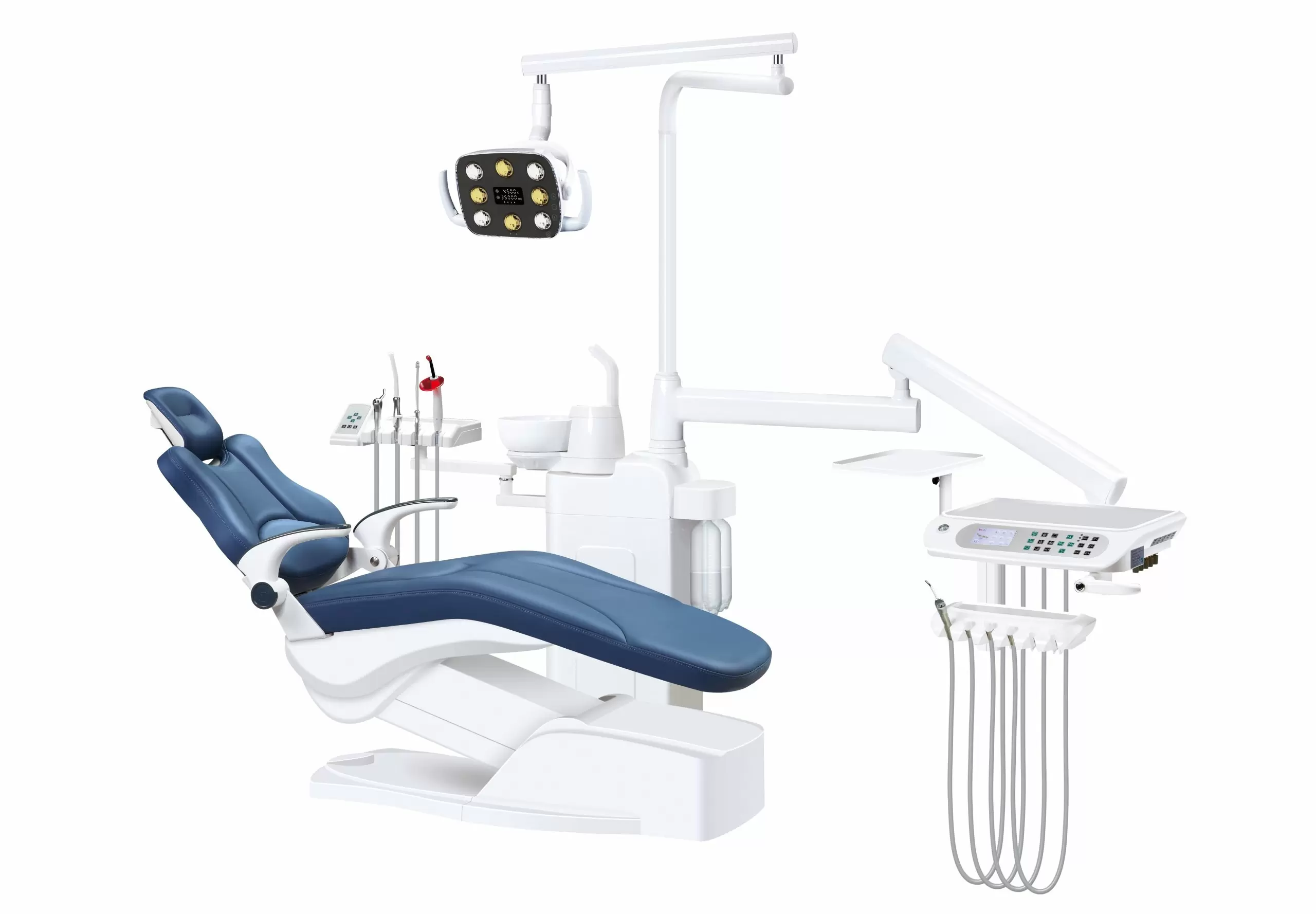
What Information to Prepare Before Asking a Broker
| Item | What to prepare | Safe buyer note |
|---|---|---|
| Product description | Dental chair model, configuration, delivery system, accessories, and intended dental use. | Do not assume one description determines one classification. |
| HS or AHTN lookup | Destination country, product keywords, and broker review notes. | For the Philippines, use Tariff Finder and confirm locally. |
| Customs value | Commercial invoice value, currency, payment terms, and adjustments requested by broker. | Avoid treating a sales quote as customs valuation advice. |
| Incoterm | Agreed delivery rule, version if specified, and named place. | Cost responsibility changes by Incoterm and quote scope. |
| Origin | Country of manufacture and origin document if requested or applicable. | Do not promise preferential treatment without broker confirmation. |
| Freight and insurance | Freight quote, shipment mode, insurance amount if used, and destination charges if known. | Use these as worksheet inputs, not final customs charges. |
| Duty and tax | Broker or local authority estimate and assumptions. | Do not publish fixed rates or universal formulas. |
| Destination charges | Port, terminal, handling, storage risk, local release, and inland delivery questions. | Ask the broker or forwarder what is included and excluded. |
| Installation | Local delivery, site access, utilities, installer, and handover plan. | Import cost is not the full usable-project cost. |
| Spare parts | Initial parts kit, separate invoice lines, and part descriptions. | Ask whether parts or accessories need separate review. |
Documents That Help HS and Landed Cost Review
| Document or evidence | Why it helps |
|---|---|
| Commercial invoice | Shows seller, buyer, currency, product value, model details, and delivery term when included. |
| Packing list | Shows carton or crate count, weights, dimensions, accessories, and spare parts. |
| Product brochure or datasheet | Helps the broker understand the chair configuration and dental use. |
| Pro forma invoice or quotation | Useful for pre-shipment budget planning before final commercial documents are issued. |
| Bill of lading or air waybill | Shows transport route and shipment details once goods move. |
| Origin document if applicable | May be reviewed for origin claims or preference questions. |
| Compliance documents | May support buyer files, but should be reviewed separately from tariff classification. |
| Packing photos | Help receiving teams and brokers understand shipment contents and packing condition. |
| Pre-shipment inspection report | Helps align actual goods with invoice, packing list, accessories, and model descriptions. |
| Broker written feedback | Keeps classification and landed cost assumptions traceable. |
For compliance-document review, use the CE, ISO 13485, and FDA documents guide and the certificate verification article. For packing and goods checks, use the pre-shipment inspection checklist before the order leaves the supplier.
Dental Chair Landed Cost Basics
Unit price is only the starting point. A practical landed cost worksheet can include product price, packing, freight, insurance, customs value review, duties, taxes, broker fees, destination handling, storage risk, inland delivery, unloading, installation preparation, and spare parts planning. The exact items depend on the shipment term and destination process.
Keep known costs, quoted costs, estimates, and pending items separate. Do not fill unknown tariff or tax lines with guesses. If the buyer is comparing two suppliers, make sure the same cost boundary is used for both quotes. A lower product price can become more expensive if freight, documents, destination charges, or spare parts planning are missing.
Broker Questions Buyers Should Ask
A broker conversation should be specific. Send the chair model, configuration, invoice draft, packing details, destination, Incoterm, origin information if available, freight mode, and whether accessories or spare parts are included. Ask the broker what product description is needed, whether separate invoice lines are preferred, what documents are likely to be requested, and what assumptions are used in the landed cost estimate.
Buyers should also ask how changes affect classification and cost planning. A chair ordered with a separate dental light, suction equipment, compressor, spare-parts kit, or replacement upholstery may require more detailed descriptions. If the shipment changes after the broker’s first estimate, ask for the estimate to be reviewed again before shipment.
What the Supplier Can and Cannot Confirm
The supplier can usually help with model names, product descriptions, photos, packing information, invoice details, origin information where available, manuals, certificate copies where relevant, and export-side shipping coordination. Those details are valuable because they help the broker understand what is being shipped.
The supplier should not be treated as the final authority for destination duty, tax, customs valuation, local tariff classification, or import eligibility. Those topics belong to the importer, broker, customs authority, tax adviser, or relevant local professional. Clear responsibility protects both sides: the supplier prepares accurate product and shipment details, while the buyer confirms destination treatment locally.
Final Buyer Checklist Before Shipment
- Confirm the exact dental chair model and configuration in the supplier quote.
- Align invoice description, packing list, product photos, and accessory list.
- Keep broker feedback and tariff lookup notes in the purchase file.
- Separate known charges, estimated charges, and pending local charges in the landed cost worksheet.
- Ask whether accessories and spare parts should be described separately.
- Check that consignee, importer, and destination contact details are correct.
- Confirm who handles customs clearance, destination delivery, unloading, and installation planning.
Common Mistakes
- Copying an HS code from another country and assuming it applies locally.
- Asking the supplier for an HS code and treating the reply as final import classification.
- Using a landed cost calculator as if it were a customs ruling.
- Combining chair, dental light, suction, compressor, accessories, and spare parts without asking whether separate descriptions are needed.
- Leaving model and configuration details vague on the invoice.
- Ignoring Incoterms when comparing supplier quotes.
- Forgetting destination charges, inland delivery, installation, and spare parts.
- Publishing fixed duty, tax, or customs-clearance claims in buyer content.
FAQ
What is the dental chair HS code?
It must be confirmed for the destination country by the importer, customs broker, or local authority. Do not rely on a universal code copied from another market.
Can the supplier provide the HS code?
A supplier may provide an export description or suggested reference, but final import classification belongs to the destination process and should be confirmed locally.
How do I check AHTN for the Philippines?
Use the Philippine Tariff Commission Tariff Finder as an official lookup route, then confirm the result with a broker or relevant authority before relying on it.
Are online duty calculators final?
No. They are planning tools. Final duties, taxes, and fees depend on customs assessment, documents, classification, valuation, and destination-specific rules.
Should spare parts use the same HS code as the chair?
Not automatically. Ask the broker whether spare parts, accessories, or bundled items need separate descriptions or classification review.
Preparing HS code and landed cost questions for a dental chair order? Review Anya’s dental chair units, compare your worksheet with the landed cost guide, then contact Anya Medical with your model, destination, Incoterm, and document questions.