
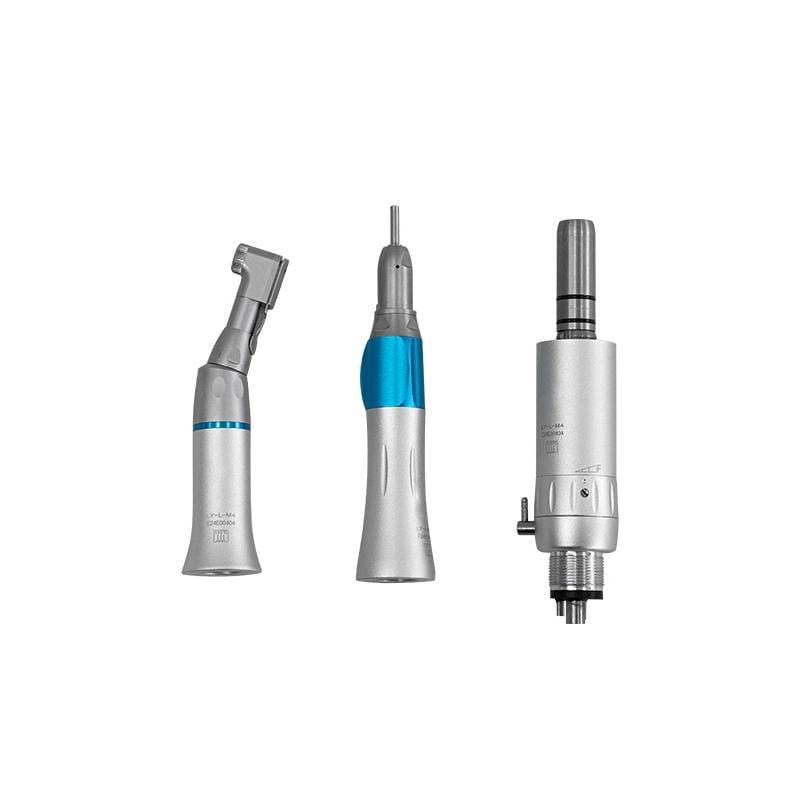
Dental handpieces should be selected together with the dental chair unit, delivery system, compressor, waterline, coupling type, sterilization workflow, and maintenance plan. A handpiece may look compatible on paper but perform poorly if air pressure, water spray, hose connection, service access, or staff routine is not matched to the clinic setup.
Review the dental handpiece category, dental chair unit category, delivery system comparison, air and water line requirements, and maintenance guide.
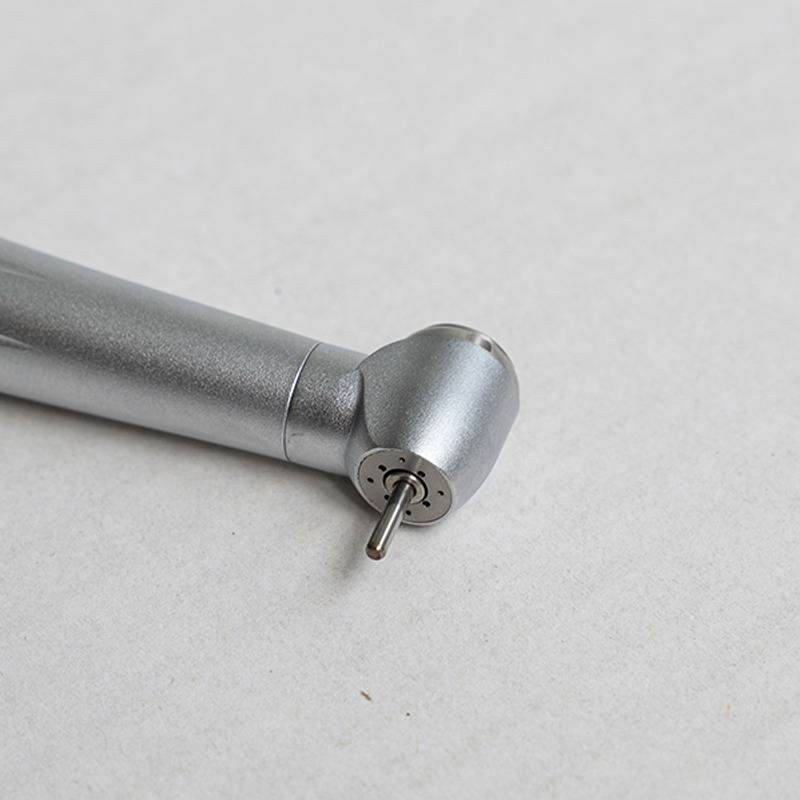
Start with Chair and Delivery Compatibility
The handpiece connects to a larger system. Check the chair delivery type, hose connection, coupling, air pressure, water spray, compressor capacity, foot control, and service instructions before selecting high-speed or low-speed handpieces. Compatibility should be confirmed with the exact model, not assumed from a catalog image.
| Check Area | What to Confirm | Why It Matters |
|---|---|---|
| Connection | Hose type, coupling, light support, gasket and O-ring requirements | Wrong connections can cause leakage or poor operation |
| Air and water | Pressure range, water spray, compressor capacity, line condition | Handpiece performance depends on stable chair utilities |
| Control | Foot control response, delivery arm reach, handpiece holder layout | Controls affect daily workflow and operator comfort |
| Maintenance | Lubrication, cleaning, sterilization, bearing service, warranty terms | Routine care affects life span and service cost |
| Documentation | Manual, parts list, compatibility statement, service contact | Documentation reduces confusion after delivery |
High-Speed and Low-Speed Use Cases
A high-speed handpiece is commonly used for cutting and preparation tasks, while a low-speed handpiece is often used for finishing, polishing, and torque-oriented work. The right mix depends on procedure type, dentist preference, chair delivery configuration, and sterilization capacity.
When reviewing products such as the Dental High-Speed Handpiece AY-HS001 and Dental Low-Speed Handpiece AY-DS001, confirm the required connection and the chair system where they will be used.
Maintenance and Sterilization Workflow
Handpiece performance depends heavily on routine handling. Clinics should follow the manufacturer’s instructions for cleaning, lubrication, sterilization, drying, storage, and inspection. Do not mix maintenance products or sterilization cycles unless the manual confirms compatibility.
- Keep enough handpieces in rotation for the clinic’s sterilization workflow.
- Record repair symptoms such as noise, vibration, weak spray, leakage, or poor bur retention.
- Check compressor and delivery-line issues before blaming the handpiece alone.
- Confirm warranty exclusions for bearings, seals, misuse, cleaning products, and sterilization errors.
How to Plan a Chair and Handpiece Package
If a clinic is ordering a chair package such as the AY-A3000 series, AY-A8000 dental unit, or AY-A4800 implant configuration, ask for the handpiece compatibility list and delivery-system details with the quotation. This avoids buying accessories that do not match the installed chair.
Buyer Checklist
- Confirm high-speed and low-speed handpiece quantities by daily procedure mix.
- Match connection type, air pressure, water spray, light support, and control workflow.
- Ask for manuals, maintenance instructions, warranty terms, and spare-parts options.
- Review sterilization capacity before reducing handpiece quantity too far.
- Include chair delivery, compressor, waterline, and service support in the same review.