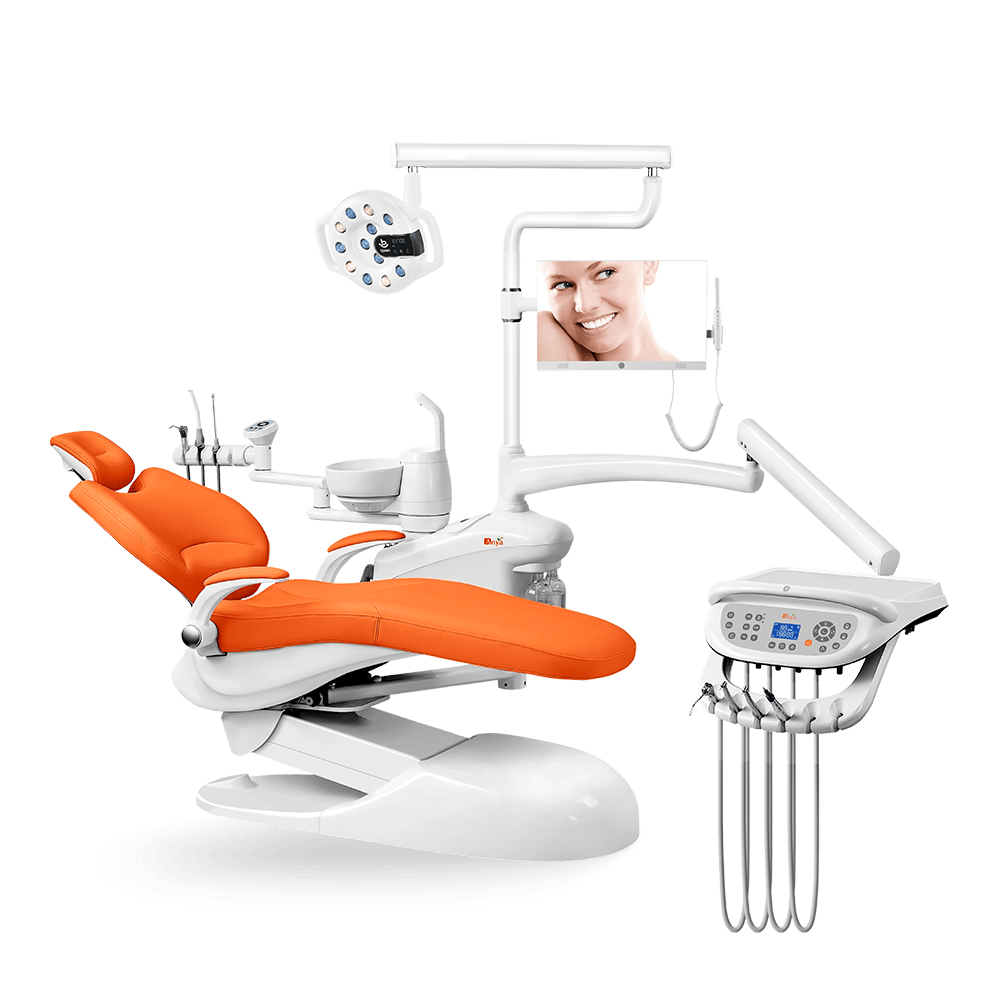


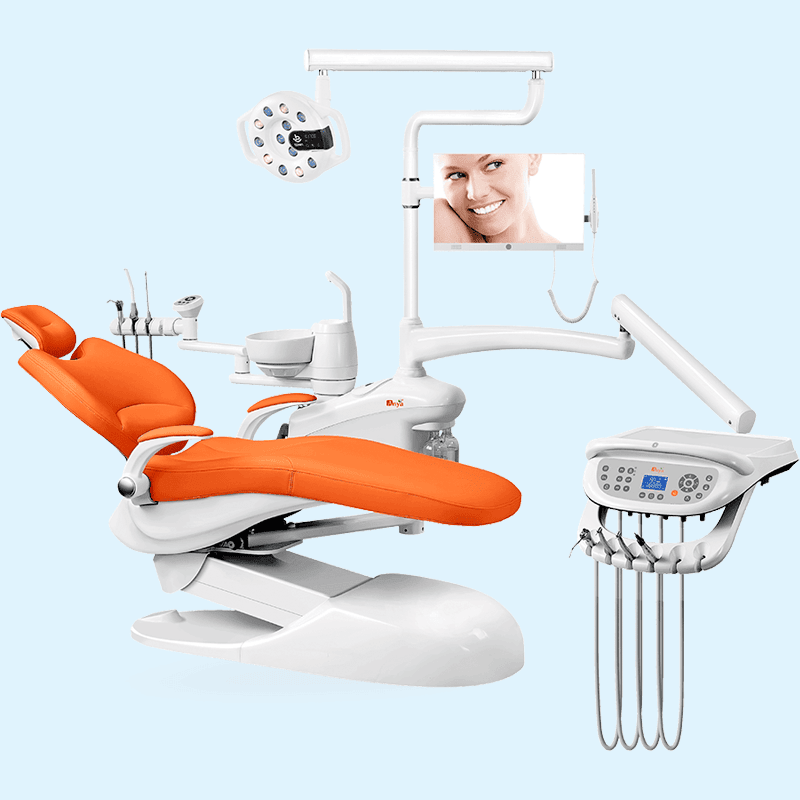
Dual-function dental chairs can help clinics consolidate implant, hygiene, and general treatment workflows when chair selection is matched to real procedure mix, room layout, infection-control routines, and service requirements. This article explores how systems like Anya Medical’s AY-A4800 Implant-Ready Chair and AY-A8000 Multi-Scenario Workhorse can be evaluated for clinic planning without relying on one-size-fits-all ROI assumptions.
When Dual-Function Dental Chairs Make Sense for a Clinic
Economic Pressures Driving Change

Clinics using traditional chairs face a triple threat in 2025:
- Patient positioning: Compare upholstery, headrest movement, lumbar support, entry height, and treatment positioning so the chair supports both patient comfort and clinical access.
- Staff workflow: Review whether chair presets, assistant access, suction placement, and cleaning routines reduce avoidable setup steps between procedures.
- Compliance planning: Ask suppliers for cleaning instructions, electrical safety documentation, ergonomic information, and maintenance records that support local clinic requirements.
Procurement Comparison: Legacy vs. Dual-Function Setups
| Planning Area | Traditional Chair Setup | Dual-Function Chair Setup |
|---|---|---|
| Room use | Often separated by procedure type | Can support mixed treatment planning |
| Cleaning workflow | Depends on manual room turnover steps | Should be reviewed with documented cleaning protocols |
| Service planning | Multiple chair types may require different parts | Model selection can simplify spare parts and training |
| Patient experience | Comfort varies by model and configuration | Positioning and ergonomics can be compared before purchase |
Buyer note: validate costs, service needs, and room use assumptions against your clinic’s actual workflow before comparing chair options.
Clinics evaluating dual-function chairs should compare installation needs, procedure changeover steps, service access, staff training, and long-term parts availability before making a procurement decision.
Implant vs. Hygiene Dentistry: How Dual-Functionality Bridges the Gap
Solving Cross-Disciplinary Inefficiencies
Traditional implant chairs lack the agility for routine cleanings, forcing clinics to maintain separate systems. Anya’s patented SwirlFlow Suction Technology (Patent #EP4138988A1) enables seamless transitions between procedures:
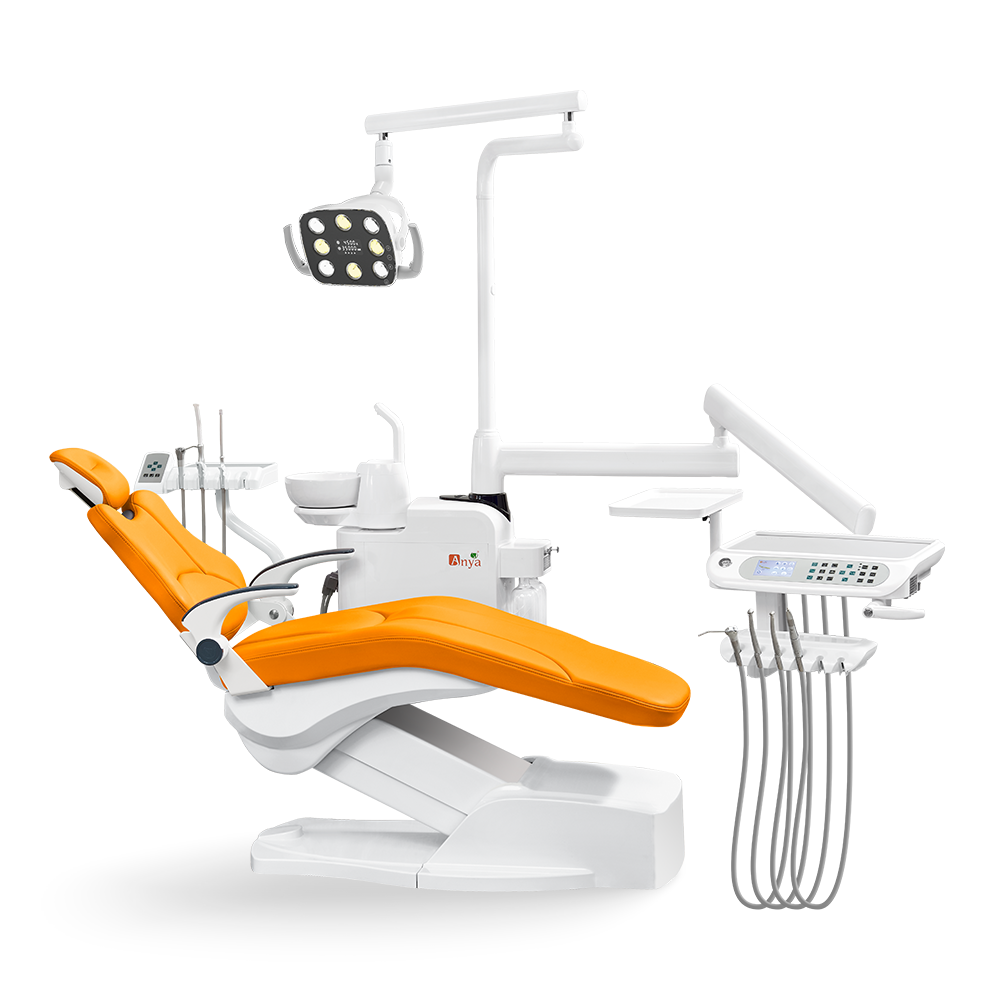
- Implant mode: Review positioning range, light placement, suction access, assistant workflow, and compatibility with implant procedure accessories.
- Hygiene mode: Check whether presets, water delivery, suction routing, and patient entry support daily preventive and restorative appointments.
Clinical Workflow Areas to Compare
| Review Area | Legacy Setup | Dual-Function Setup |
|---|---|---|
| Procedure changeover | May require more manual reconfiguration | Compare preset positions and assistant-side access |
| Patient comfort | Varies by upholstery and positioning design | Review headrest, backrest, armrest, and entry height |
| Infection control | Depends on cleaning workflow and materials | Ask for cleaning instructions and material documentation |
| Energy use | Depends on motor, hydraulics, and daily usage | Review electrical specifications and service guidance |
Supported by OSHA 2025 Ergonomic Guidelines
The AY-A4800’s Implant Mode integrates with Anya’s Intra-Oral Camera IOC001 for real-time 4K imaging, while its Hygiene Mode pairs with the FM-750L Dental Suction Unit for rapid debris clearance.
Dual-Function Dental Chair Features to Review
1. AI-Driven Posture Optimization
Review whether chair positioning, programmable presets, and lumbar support help the clinical team maintain a comfortable working posture during longer procedures.
2. Blockchain Material Tracing
Ask suppliers for material documentation, component information, warranty terms, and sustainability records where these are relevant to your local purchasing requirements.
3. 5G-Enabled Tele-Dentistry
The integrated Nebula L8 Surgical Light can be reviewed for illumination, positioning, workflow fit, and documentation support where remote consultation or imaging workflows are part of the clinic plan.
4. Modular Energy Recovery
Compare hydraulic or electric movement systems by noise, stability, service access, warranty terms, and documented electrical specifications.
5. Haptic Feedback Integration
For advanced procedures, review whether the chair supports stable positioning, clear visibility, assistant access, and accessory compatibility.
Procurement Blueprint – Comparing Workflow Fit
Clinic Workflow Planning Example

A clinic replacing older single-purpose chairs with Anya’s AY-A3000 Cart System should document the workflow assumptions behind the purchase. Useful review areas include:
- Implant workflow support through chair positioning, assistant access, lighting, suction, and accessory placement.
- Equipment planning by comparing which functions can be consolidated safely and which still require dedicated equipment.
- Energy and maintenance review using supplier specifications, service intervals, and actual clinic usage patterns.
Financial Breakdown:
| Metric | Legacy Setup | AY-A3000 Cart Review | Decision Point |
|---|---|---|---|
| Power use | Check current equipment specs | Review supplier electrical data | Estimate with local usage |
| Maintenance | List current service history | Review warranty and parts access | Compare service process |
| Patient workflow | Map current room turnover | Test positioning and presets | Validate with staff feedback |
| Total review | Use actual clinic data | Use documented supplier inputs | Decide after site-specific comparison |
Source: Anya Medical Case Study Database
Clinic Self-Assessment – Is Your Practice Ready?
Clinics should prioritize upgrades if they meet ≥2 of these criteria:
- Procedure Bottlenecks: Changeovers exceeding 6 minutes between implant and hygiene modes.
- Compliance Risks: Failure to meet 2025 OSHA ergonomic standards (e.g., lack of posture sensors or automated sterilization).
- Procurement triggers: Frequent chair downtime, slow room turnover, limited procedure flexibility, or repeated service issues.
Implementation Roadmap – A 90-Day Pathway to Compliance
Phase 1 – Workflow Audit (Weeks 1-2)
- Utilization mapping: Compare current chair usage, procedure mix, room turnover steps, and assistant workflow before choosing a dual-function setup.
- Bottleneck identification: Flag repeated setup delays, accessory access problems, cleaning bottlenecks, or positioning limits that affect daily scheduling.
Phase 2 – Tech Transition (Weeks 3-8)
- Staff Training:
- Preset workflow training, cleaning protocol review, and chair positioning practice for the clinical team.
- Positioning and illumination review for the Nebula L8 Surgical Light where advanced procedures require stable visibility.
- Hardware Installation:
- Modular suction systems (e.g., FM-750L Dental Suction Unit) reviewed for chairside access, suction capacity, maintenance, and service fit.
- Integration of the Intra-Oral Camera IOC001 where imaging workflow and documentation support are required.
Phase 3 – Patient Experience Overhaul (Weeks 9-12)
- Scheduling workflow: Review how chair availability, room turnover, and procedure setup are communicated to staff.
- Patient communication tools: Use clear chairside explanations, imaging support, and treatment planning materials where appropriate.
- Patient comfort: Compare upholstery, cushioning, entry height, headrest movement, and cleaning compatibility before selection.
Beyond 2025 – Future-Proofing Your Practice
Blockchain Material Tracing
Anya’s chairs comply with 2027 EU sustainability laws by:
- Requesting component, material, warranty, and service documentation from the supplier before purchase.
- Checking whether any local incentives or sustainability requirements apply before procurement.
Planned Maintenance and Service Readiness
Planned maintenance should focus on hydraulic movement, electrical controls, suction performance, upholstery condition, and documented service intervals so issues can be addressed before they interrupt treatment.
Carbon-Neutral Certification
Clinics with sustainability goals should review electrical specifications, service documentation, replacement parts, and local requirements before selecting equipment.
Conclusion – The 2025 Tipping Point
The Cost of Inaction
Clinics delaying upgrades risk:
- Workflow and compliance risks: From inefficiencies, attrition, and non-compliance penalties.
- Obsolescence: patients and staff increasingly notice comfort, cleanliness, and workflow quality during treatment.
Three Non-Negotiable Next Steps
- Download Anya’s 2025 Compliance Checklist to audit your clinic’s readiness.
- Schedule a live demo of the AY-A8000 Multi-Scenario Chair to experience AI-driven workflows.
- Discuss installation, warranty, training, and service requirements with the supplier before purchase.