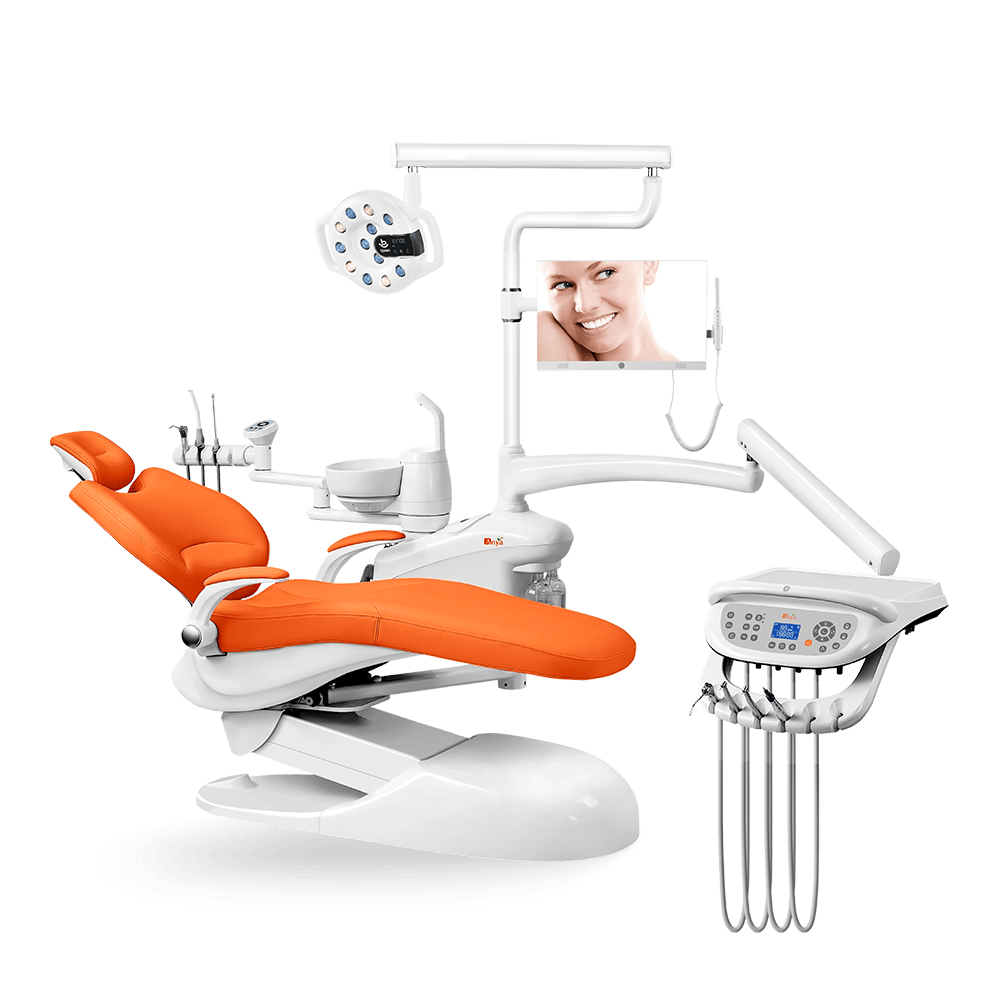
Dental chair positioning affects dentist posture, visibility, assistant access, light reach, delivery movement, and patient comfort. A chair that is placed well can make the room feel calm and efficient. A chair that is placed poorly can force the dentist to lean, twist, or work around equipment all day. Buyers should plan chair position with the selected model, room layout, headrest, dental light, delivery system, and stool movement before installation.
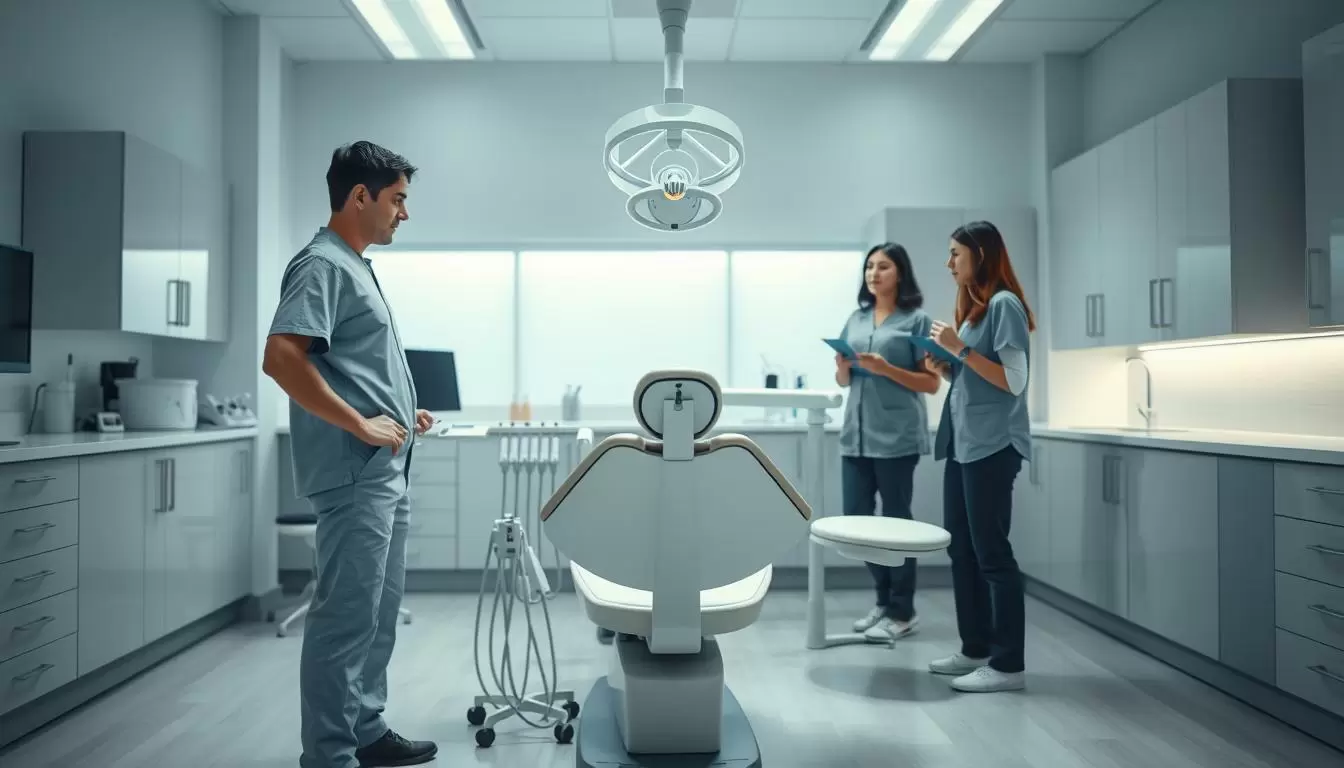
This guide is for clinic owners, dentists, dealers, and clinic planners reviewing chair placement before renovation or equipment purchase. It pairs with the dental operatory layout requirements article and the dental chair headrest types guide. If lighting is also being selected, review the built-in LED dental light vs separate operatory light comparison before final layout approval. Buyers comparing models can also review the categoría de unidades dentales while checking room fit.
Why Chair Positioning Matters
Chair position changes how the dentist sees the treatment field and how the assistant reaches the patient. It also changes whether stools can move, whether drawers open, whether lights reach the mouth, and whether the patient can enter comfortably. The chair is the anchor for the room, so its position should be confirmed before cabinets, utilities, monitors, or decorative finishes.
Do not treat chair positioning as a universal diagram. The best position depends on the selected chair, procedure mix, dentist habit, assistant workflow, room shape, and local installation conditions.
Dentist Posture and Visibility
Good positioning helps the dentist see without leaning too far or twisting repeatedly. The chair, headrest, light, and stool all work together here. If the patient head is not supported well, visibility suffers. If the light cannot reach the field without shadows, the operator may compensate with posture. If the stool cannot move freely, even a good chair position may feel awkward.
Buyers should keep claims conservative. This article does not provide fixed posture angles, chair heights, or ergonomic measurements. Those details depend on the clinician and the room. The practical point is to review the actual workflow and ask the supplier or installer to confirm fit.
Patient Recline, Headrest, and Light Position
Patient recline changes the relationship between the dentist, assistant, headrest, and light. A headrest that supports stable positioning can help the operator see more clearly. A light that reaches the treatment field without blocking the assistant can reduce constant adjustment. These parts should be planned together rather than chosen one at a time.
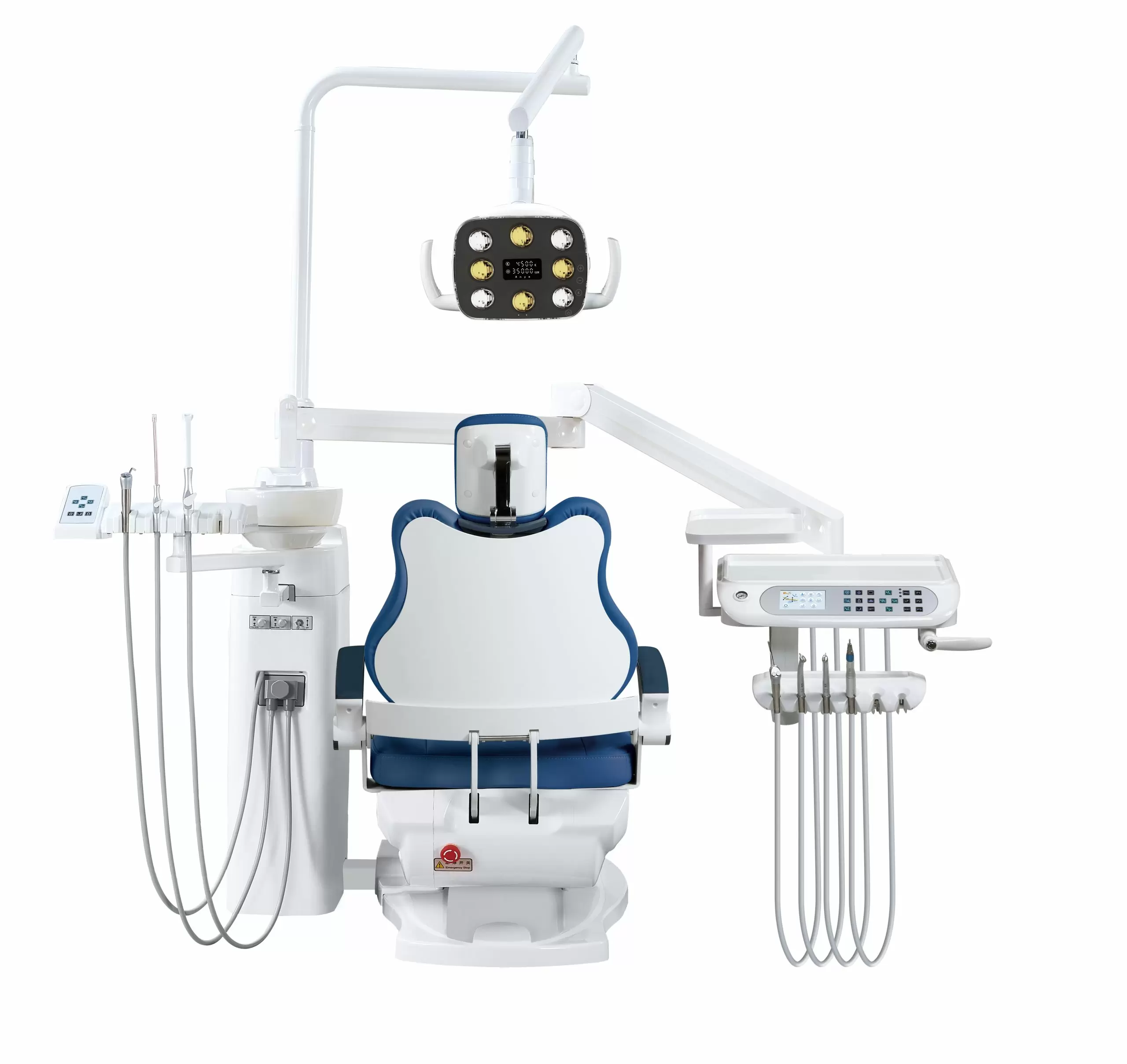
Use the chair manual, product configuration, and room drawing together. If a clinic changes headrest type, light position, or delivery system after the room is designed, the chair position may need another review.
Assistant Access and Delivery Reach
Chair positioning should allow the assistant to reach suction, controls, and instruments without crossing the dentist’s path. It should also allow the delivery system to reach the treatment area without blocking patient entry or stool movement. A setup that works for solo dentistry may not work well for team dentistry.
For clinics designing team workflow, read the four-handed dentistry setup guide to connect positioning with assistant access, suction reach, and instrument handoff. The chair, assistant unit, suction, delivery system, and stools should be reviewed together before the quote is approved.
What to Confirm Before Ordering
Before approving a chair quote, buyers should ask for the exact chair model, selected delivery style, headrest option, light mounting plan, assistant-side configuration, and any installation notes that affect room placement. This is especially important when a dealer, contractor, and clinic owner are all working from different drawings or catalog images.
The final approval should connect the equipment quote to the room plan. If the quote says one delivery configuration but the drawing shows another, dental chair positioning may change after payment. If utilities are prepared before the model is confirmed, the installer may need to adapt the room instead of installing the planned setup. Written confirmation reduces these avoidable surprises.
Stool Movement and Room Layout
The dentist and assistant need room to move their stools into working position and back out again. Cabinets, carts, hose paths, and door swing can all reduce this movement. If the chair is placed too close to a wall or cabinet, the team may lose access even when the room technically contains all required equipment.
Room layout should be tested with the full working scene: patient in the chair, dentist seated, assistant seated, light positioned, delivery system in use, suction accessible, and drawers opening. If any part collides, revise the plan before installation.
Chair Positioning Review Table
| Planning area | What to check | Why it matters | Quién debe confirmarlo |
|---|---|---|---|
| Dentist posture | Whether the dentist can work without repeated leaning or twisting. | Supports daily comfort and clearer access. | Dentist, dealer, and installer. |
| Visibility | Headrest support, patient recline, and light reach. | Helps the operator see the treatment field. | Dentist, assistant, and supplier. |
| Assistant access | Suction, controls, trays, and handoff path. | Prevents the assistant from crossing the operator zone. | Assistant, dentist, and dealer. |
| Stool movement | Movement around chair base, cabinets, carts, and doors. | Prevents cramped workflow after installation. | Clinic team and contractor. |
| Service access | Access to chair base, covers, utilities, and delivery components. | Keeps future service practical. | Installer and technician. |
Lista de verificación del comprador
- Is the chair position marked before cabinets and utilities are finalized?
- Can the dentist see the treatment field without awkward posture?
- Does the headrest support the patient position needed for common procedures?
- Can the light reach the field without blocking movement?
- Can the assistant reach suction, controls, and trays comfortably?
- Can the delivery system reach the patient without blocking patient entry?
- Can dentist and assistant stools move freely?
- Can service technicians reach the chair after installation?
- Has the supplier confirmed the chair position and configuration in writing?
Common Positioning Mistakes
Buyers often place the chair after designing cabinets, which can leave the operator with poor access. They may also focus only on the dentist and forget assistant access, light reach, or patient entry. Another mistake is assuming a showroom chair position will work in a smaller or differently shaped room.
Do not use one generic positioning rule for every room. Walk through the real workflow, confirm the selected model, and revise the floor plan before installation.
PREGUNTAS FRECUENTES
How does dental chair positioning affect dentist posture?
It changes how the dentist sits, reaches, and sees the treatment field. Poor placement can force repeated leaning or twisting.
Does chair positioning affect visibility?
Yes. Visibility depends on chair position, patient recline, headrest support, light reach, and the operator’s working position.
Should chair position be decided before cabinetry?
Yes. The chair should be treated as the layout anchor because cabinets, utilities, delivery systems, and service access depend on it.
Can one chair position work for every dentist?
No. Dentist habit, handedness, procedure mix, assistant workflow, and room shape can all change the ideal setup.
What should buyers send for positioning advice?
Send the target chair model, room plan, delivery system, light plan, headrest questions, assistant workflow, and any layout constraints.
Need help planning dental chair positioning? Contacte a Anya Medical a través de la página de contacto with your chair model, room plan, and workflow questions.