
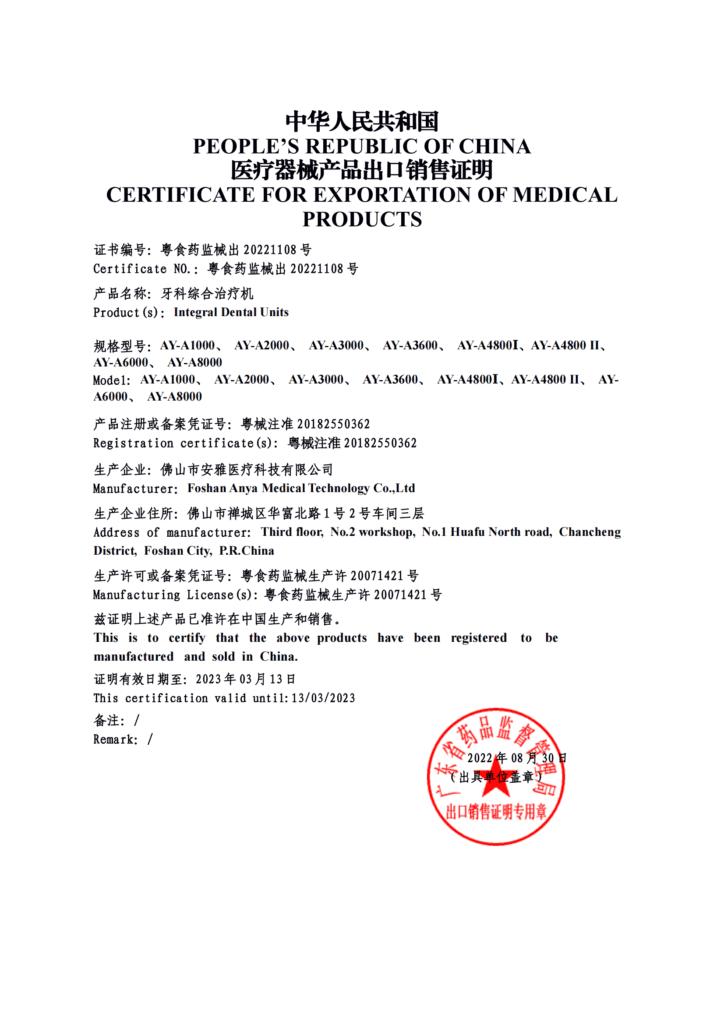
A dental chair import documents checklist helps buyers prepare the files that connect the order, shipment, product description, customs review, and delivery record. At minimum, importers and dealers should organize the pro forma invoice, commercial invoice, packing list, purchase order or contract, model and configuration list, transport document, origin information where required, certificate copies where applicable, manuals or labels where needed, insurance document if used, and broker questions before the shipment moves. Exact requirements depend on the destination country, product configuration, importer role, and regulator or customs decisions.
For the buying step, compare the best dental chair guide so import checks stay tied to the selected model and support plan.
Pair this checklist with the HS code and duty guide, landed cost worksheet, CE, ISO, and FDA document guide, certificate verification checklist, and pre-shipment inspection checklist.
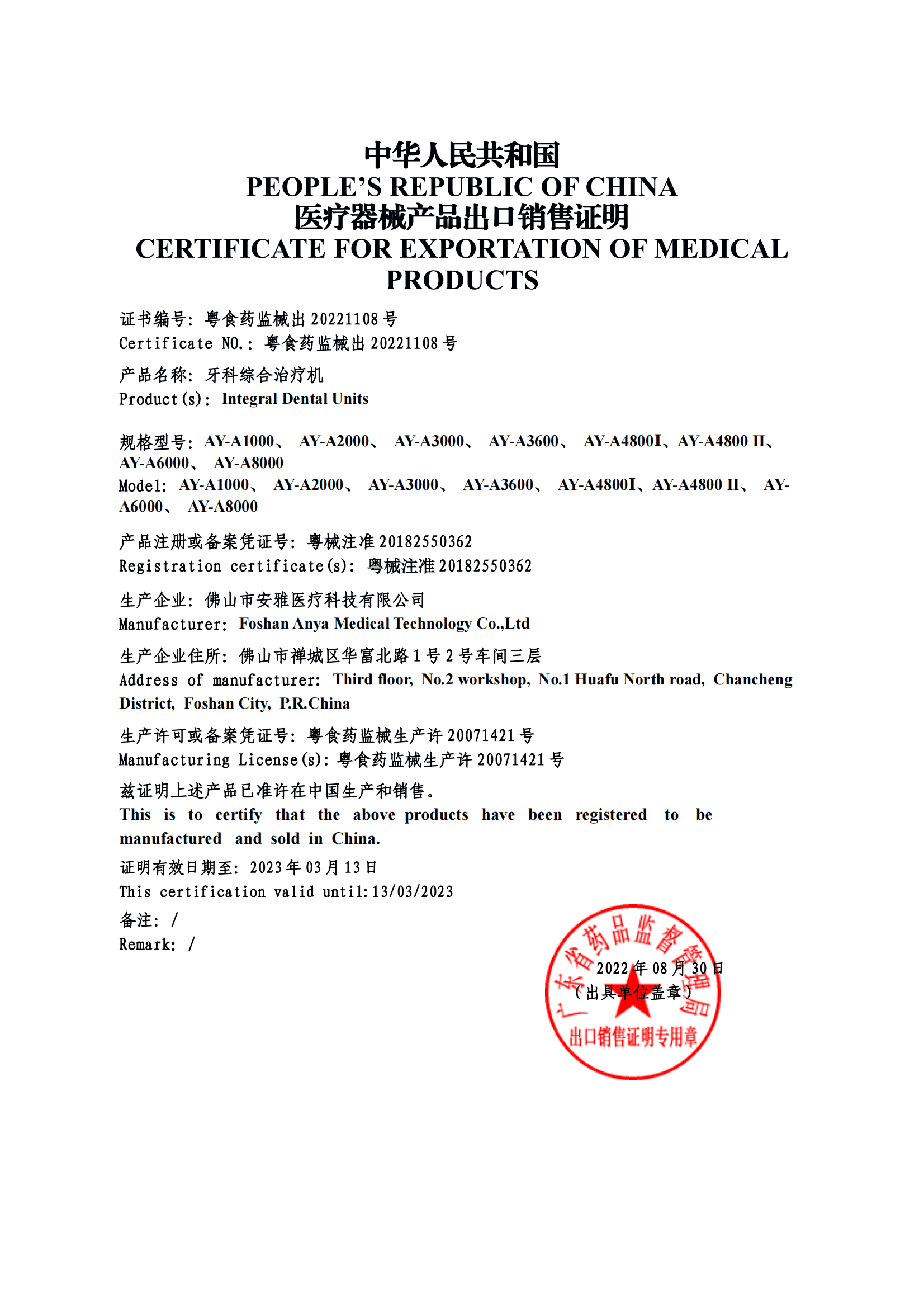
This checklist is for overseas clinics, importers, distributors, dental equipment dealers, and sourcing teams preparing a dental chair order. It links closely to the guide on CE, ISO 13485, and FDA documents, but the purpose here is practical shipment preparation: which files should be requested, checked, and stored before the order leaves the supplier?
Import Document Workflow
Import documents should be prepared in stages. Waiting until the shipment arrives can create delays, broker follow-up, storage charges, and confusion about who is responsible for missing information. A better workflow starts before order confirmation and continues through arrival and installation handover.
| Stage | Documents to organize | Buyer action |
|---|---|---|
| Before order | RFQ, model list, configuration sheet, pro forma invoice, document requirements, destination notes. | Ask the supplier and broker what must appear on the invoice, packing list, labels, and certificates. |
| Before shipment | Commercial invoice draft, packing list draft, packing photos, transport plan, insurance if used, document copies. | Match model, quantity, weights, marks, consignee details, and shipment term before release. |
| Before arrival | Bill of lading or air waybill, final invoice, final packing list, broker entry data, origin documents where required. | Send files to the broker early and resolve missing information before the shipment reaches the destination. |
| After delivery | Delivery note, inspection photos, damage record if any, installation notes, manuals, warranty record. | Keep a service file for claims, maintenance, spare parts, and future reorders. |
Who Is Responsible for Each Document?
The supplier, freight forwarder, customs broker, and importer each handle different parts of the documentation chain. Before paying the deposit, confirm who prepares each file and who checks it for the destination market. The importer or broker usually confirms classification, duty treatment, entry details, and local customs requirements.
- The supplier usually prepares the pro forma invoice, commercial invoice, packing list, product description, model list, packing details, manuals, labels, and available certificate copies.
- The freight forwarder or carrier provides the transport document, such as a bill of lading or air waybill, depending on route and shipment mode.
- The customs broker may request importer ID, power of attorney, product description, classification details, value information, country of origin, and regulatory entry data.
- The buyer or importer confirms whether additional translations, legalization, local registrations, or distributor documents are needed.
Commercial Documents Checklist
Commercial documents identify what was sold, who sold it, who bought it, how much it cost, and which shipment terms apply. These files should match each other. If the model name, quantity, value, currency, shipment term, or company name changes between files, ask for correction before shipment.
| Document | What to check | Common issue |
|---|---|---|
| Pro forma invoice | Seller, buyer, model, configuration, quantity, price, currency, payment terms, shipment term, and named place. | Quote scope is too general or does not list the chair configuration. |
| Commercial invoice | Seller/buyer, product description, value, currency, country of origin, shipment identifiers, and final terms. | Invoice wording does not match broker requirements or product details. |
| Packing list | Carton or crate count, contents, gross and net weight, dimensions, marks, and package references. | Weights or package counts differ from shipment booking or invoice. |
| Purchase order or contract | Buyer approval, model and accessory scope, payment milestones, inspection point, and document requirements. | Important document requirements are left in chat instead of written terms. |
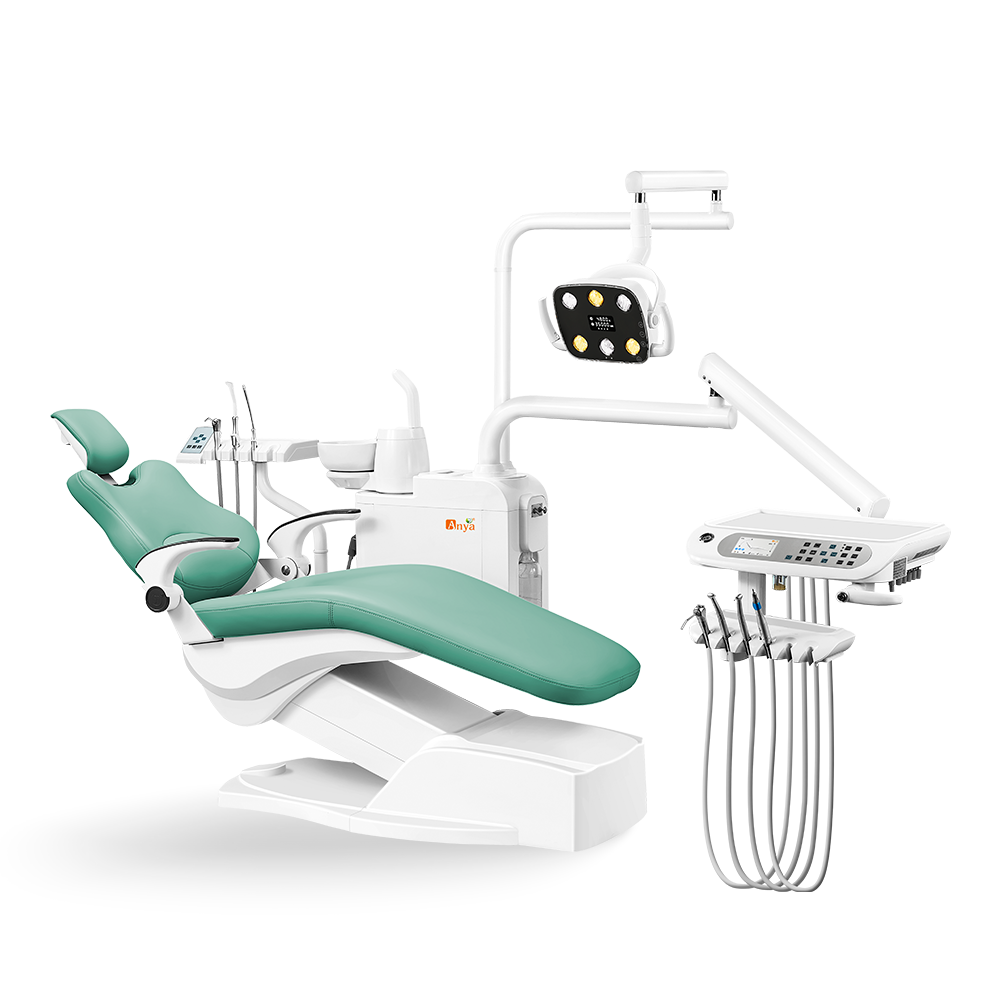
| Model and configuration list | Exact dental chair model, options, accessories, color or configuration where relevant, and exclusions. | Product page, invoice, and packing list use inconsistent names. |
Shipping Documents Checklist
Shipping documents connect the order to the physical shipment. They help the carrier, forwarder, broker, and buyer identify the goods and route. The exact file name can differ by shipment mode, but the buyer should always know which transport document will be issued and who will receive the original or electronic release details.
- Bill of lading for ocean shipment or air waybill for air shipment.
- Booking confirmation or forwarder shipment notice.
- Packing photos and crate or shipping mark photos where agreed.
- Insurance certificate or policy document if insurance is arranged.
- Delivery note, arrival notice, or destination handling notice where applicable.
- Damage report, photos, and carrier notation if the shipment arrives with visible damage.
Check consignee, notify party, shipment term, port or airport, package count, gross weight, and marks with the forwarder or broker. A small mismatch can create avoidable questions at destination.
Compliance and Technical Documents
Compliance and technical documents depend on product model, destination market, importer role, and local requirements. Do not assume that every market requires the same package or that one document covers every dental chair model. Ask the supplier what is available for the quoted model, then ask your broker, importer, or local adviser what is required for your destination.
| Document type | When it may be requested | Buyer check |
|---|---|---|
| Certificate copies or declarations | Dealer onboarding, regulator review, tender file, or market-entry review. | Match legal entity, model scope, issuer, validity, and destination purpose. |
| Manuals and labels | Installation, service, importer record, or regulatory review. | Check language, model name, safety labels, manufacturer details, and version. |
| Warranty statement | Clinic procurement, distributor support, and after-sales file. | Match warranty terms to the exact model and order. |
| Country-of-origin document | Destination-country, buyer, broker, or trade-agreement requirement. | Confirm whether it is required before shipment and whether it needs a specific format. |
| FDA, CE, ISO, or other market-specific records | Only where relevant to the destination market and product configuration. | Use the dedicated CE/ISO/FDA review process before relying on these files. |
For a deeper explanation of CE, ISO 13485, and FDA-related files, use the companion guide on dental chair CE, ISO 13485, and FDA documents. For cost planning around freight, duties, taxes, and destination charges, use the dental chair landed cost worksheet.
Broker Review Items
A broker may ask for product details that are not obvious from a sales quotation. Send product descriptions early, especially for first-time imports or new model configurations. Treat HS/HTS/CN classification as importer- or broker-confirmed. This article should not be used as a single-code or duty-rate source for all dental chair imports.
Broker questions may include:
- Who is the importer of record?
- What is the complete product description and intended use?
- What is the country of origin?
- What is the customs value and currency basis?
- Which shipment term and named place apply?
- Which HS/HTS/CN classification is being used, and who confirmed it?
- Are any medical-device, FDA, CE, local registration, or product-safety records required?
- Are translations, legalization, or market-specific declarations needed?
Official concept references include the World Customs Organization overview of the Harmonized System, Trade.gov’s HS code overview, Trade.gov’s common export documents, and CBP’s basic import and export resources. These sources explain concepts; buyer-specific import requirements still need destination review.
Document Matching Checklist
The strongest import file is consistent. Before shipment, compare the key fields across invoice, packing list, transport document, certificate copies, labels, and photos.
| Field | Where it should match | Follow-up if unclear |
|---|---|---|
| Seller and buyer names | Quote, invoice, contract, bank account, and shipment documents. | Ask which legal entity sells, ships, invoices, and supports the order. |
| Model and description | Product page, quote, invoice, packing list, labels, manual, and certificate scope. | Ask for a corrected product description and model reference. |
| Quantity and package count | Invoice, packing list, booking, bill of lading or air waybill, and packing photos. | Resolve differences before shipment release. |
| Weights and dimensions | Packing list, shipment booking, forwarder quote, and crate labels. | Confirm final values with the packing team or forwarder. |
| Shipment term and named place | Pro forma invoice, commercial invoice, contract, and forwarder file. | Clarify which local and destination charges are included or excluded. |
Common Import Documentation Mistakes
Mistake 1: Asking for documents after shipment
Request the required invoice, packing, certificate, label, manual, and broker details before production or before shipment release. Late requests can delay clearance.
Mistake 2: Treating a commercial invoice as the whole import file
The invoice is central, but it usually works alongside a packing list, transport document, product description, origin details, and any required compliance or broker records.
Mistake 3: Letting model names drift across files
If the invoice, packing list, product page, and certificate use different product names, the buyer should ask for clarification before the file reaches the broker.
Mistake 4: Publishing one HS code for all orders
Classification depends on product configuration and destination rules. Let the importer, broker, or customs authority confirm the classification and duty treatment.
Mistake 5: Forgetting the after-delivery file
Delivery photos, damage notes, manuals, installation notes, and warranty records can matter for insurance, service, warranty, and future reorders.
How to Ask Anya Medical for Import Documents
For model-specific import documentation planning, use Anyamedical product references such as AY-A3600, AY-A6000, or the dental chair unit category. Then send your target model, destination country, buyer role, shipment term if known, broker questions, and requested document list through the contact page.
If you are still preparing the supplier request, add document requirements to your dental chair RFQ. If warranty files are part of the import packet, also review dental chair warranty terms before payment.
FAQ
What documents are needed to import a dental chair?
Common files include a pro forma invoice, commercial invoice, packing list, purchase order or contract, model and configuration list, bill of lading or air waybill, origin information where required, manuals, labels, certificate copies where applicable, and broker entry information.
Is a commercial invoice enough for dental chair import?
Usually no. A commercial invoice is important, but the broker or importer may also need packing details, transport documents, product descriptions, origin information, classification review, and compliance documents where applicable.
Who confirms HS code, duties, and taxes?
The importer, customs broker, or local customs authority should confirm classification, duties, and taxes. The supplier can provide product descriptions and documents for review, but should not be treated as the final authority for destination import treatment.
Do all markets require CE, ISO 13485, or FDA documents?
No. Requirements depend on destination country, product configuration, importer role, and regulator or buyer requirements. Ask the broker or local adviser which documents are needed for the specific order.
When should buyers request import documents?
Request the required document list before order confirmation, review drafts before shipment, send final files to the broker before arrival, and keep delivery and installation records after receipt.
What details must match across invoice, packing list, and bill of lading?
Key matching details include seller and buyer names, product description, model, quantity, package count, weights, shipment term, origin details where required, consignee, notify party, and shipment identifiers.
Preparing dental chair import files? Send your target model, destination, and broker questions through Anya Medical’s contact page and request the available order documents for review.