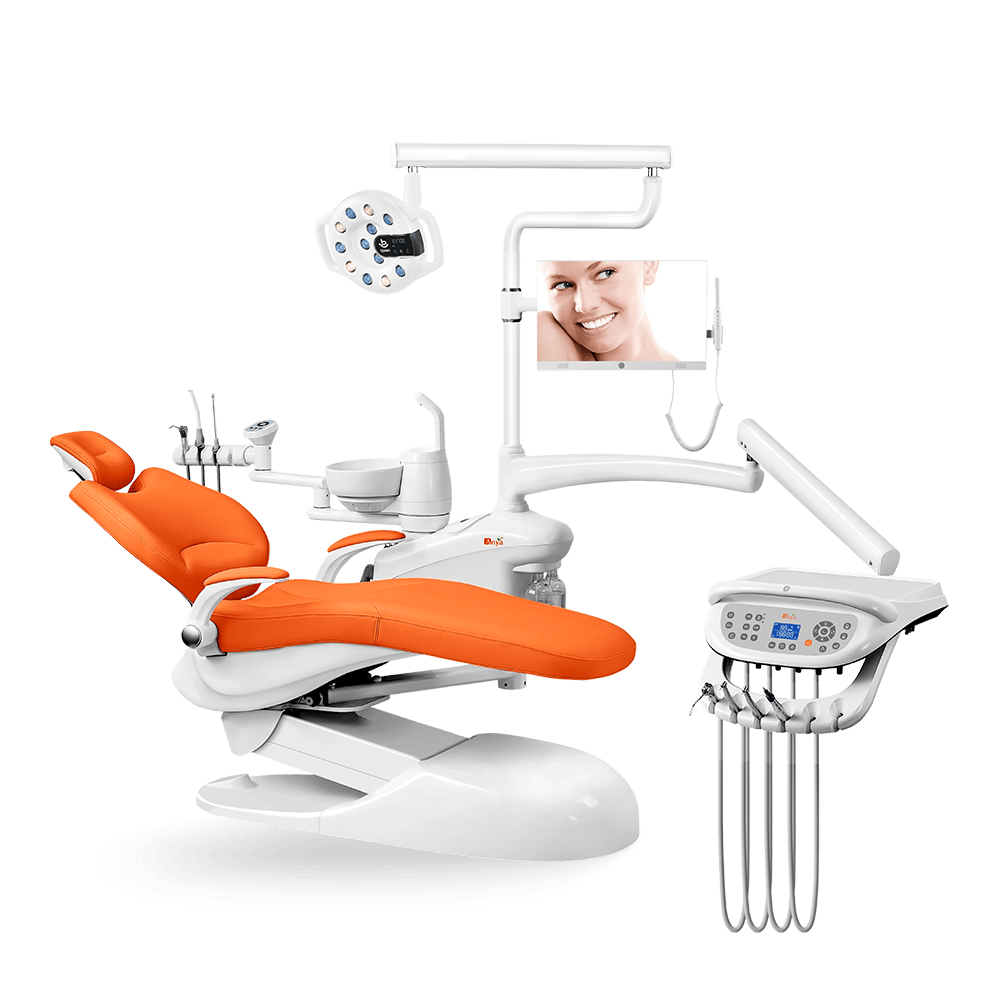


An electric motor dental chair should be evaluated by how its movement, controls, stability, service access, and supplier support work together. Buyers should not stop at the word “electric.” They need to confirm which chair movements are motor-driven, how the chair starts and stops, how stable it feels in working positions, and what documentation or after-sales support is available before ordering.
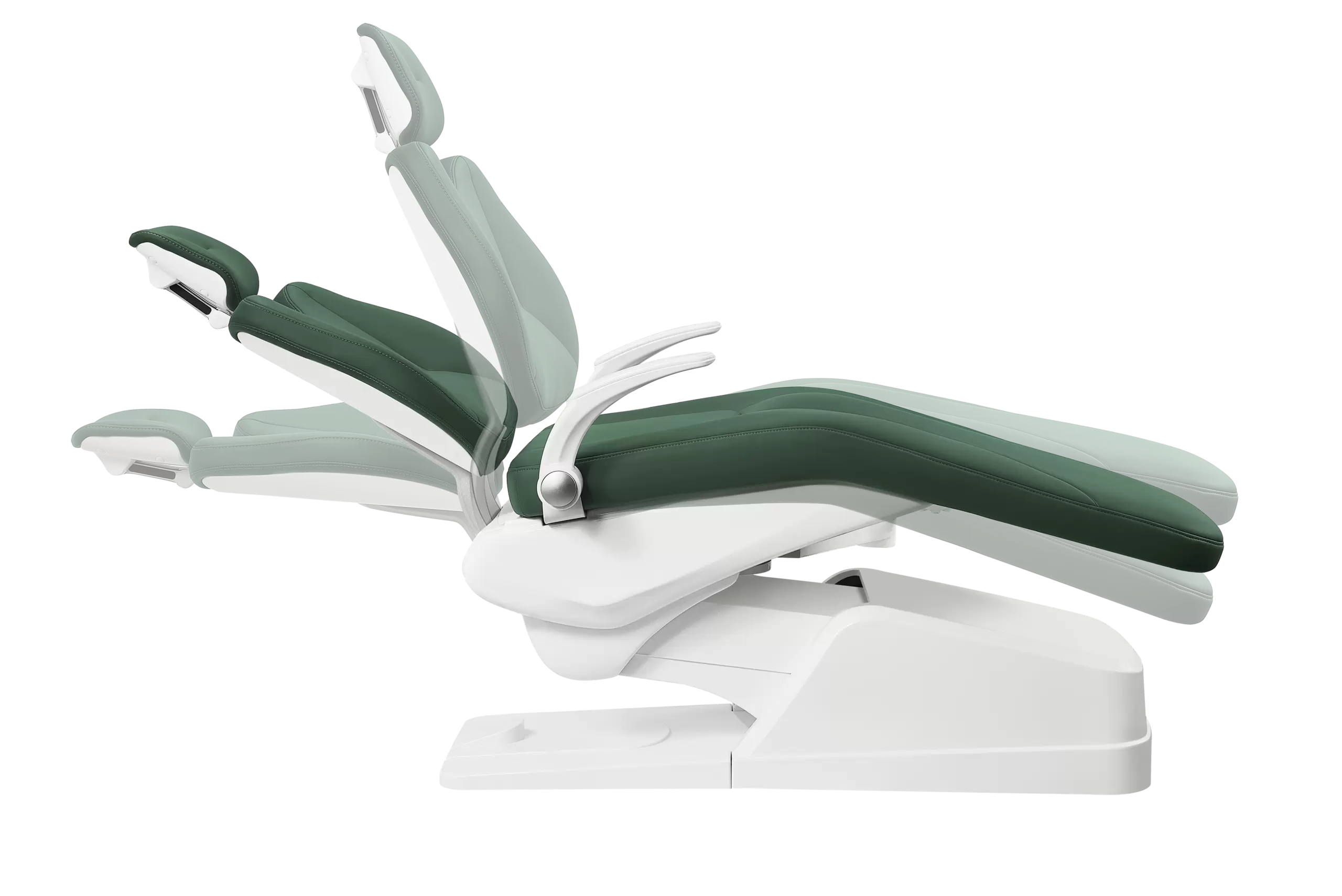
This article is for clinic owners, dentists, dealers, and equipment buyers comparing dental chair movement systems. It connects with the guides on dental chair stability testing, dental chair materials, dental chair positioning, and dental chair quality control tests. Buyers can also review Anyamedical dental chair units before asking which configurations are available.
What Is an Electric Motor Dental Chair?
In buyer conversations, an electric motor dental chair generally refers to a chair that uses motor-driven movement for functions such as lifting, reclining, seat positioning, or other adjustment actions. The exact functions depend on the chair model and configuration, so buyers should ask the supplier to identify which movements are motor-driven.
The important question is not whether electric movement sounds modern. The practical question is whether the chair moves smoothly, holds position, supports patient entry and exit, and gives the clinical team controls that fit daily workflow.
Buyers should also separate the movement system from the complete chair decision. A chair with convenient movement can still be a poor fit if the room layout blocks access, if the assistant cannot reach suction, or if service points are difficult to inspect. Treat electric movement as one evaluation area inside a broader equipment review.
Key Buying Checks Before Choosing
Start with movement range and stability. Ask how the chair moves through normal treatment positions and whether it remains stable when raised, reclined, or returned to entry position. If a demonstration unit is available, observe the chair during start, stop, and direction changes.
Then review how backrest, seat, and lifting movement coordinate. A chair may feel acceptable in one movement and awkward when several adjustments are used together. Patient access, dentist posture, assistant access, and light position all depend on how the chair reaches the working position.
Control usability matters too. Check dentist controls, assistant controls, foot control, and any preset options that may be offered. Controls should be easy to understand during actual work around the patient, not only in a showroom demonstration.
Ask the supplier to explain the normal operating sequence. How does the chair move from entry position to treatment position? How does the team return the patient to exit position? Which controls are used by the dentist and which are available to the assistant? These questions reveal whether the configuration supports workflow or simply lists features.
Motor and Movement Checks for Buyers
| Check area | What to look for | Why it matters | Question to ask the supplier |
|---|---|---|---|
| Lift movement | Smooth vertical adjustment and controlled stopping. | Affects patient entry, operator position, and confidence. | Which movement functions are motor-driven on this model? |
| Backrest movement | Controlled recline and return. | Affects patient positioning and clinical visibility. | How should buyers test recline and return movement? |
| Seat and base stability | No obvious shaking during normal movement checks. | Supports a calmer treatment experience. | What stability or movement checks are performed before shipment? |
| Control options | Foot, panel, assistant-side, or preset controls if available. | Controls affect workflow around the patient. | Which controls are included in the selected configuration? |
| Service access | Accessible components, covers, and support documents. | Movement systems need practical after-sales support. | What operation, installation, and service documents are available? |
Electric Movement vs Other Movement Systems
Electric movement can be useful when a clinic wants controlled chair positioning and convenient adjustment. But buyers should not assume that one movement system is always better than another. The final decision should consider stability, frame support, control layout, service access, installation context, and dealer support.
If the comparison includes hydraulic chairs, keep the discussion specific. Compare actual chair performance, service expectations, and supplier support instead of repeating generic claims about one system being superior.
Dealers should be especially careful when explaining movement systems to end buyers. It is better to say, “confirm the driven movement functions on this model,” than to use broad claims that may not apply to every configuration. Clear wording reduces misunderstanding during quotation and after-sales support.
Frame Strength and Long-Term Support
Movement components are only one part of durability. The chair frame, linkage structure, base, upholstery support, installation, and daily use all affect how a chair performs over time. A buyer should review motor-driven movement together with frame and material choices rather than treating the motor as a separate feature.
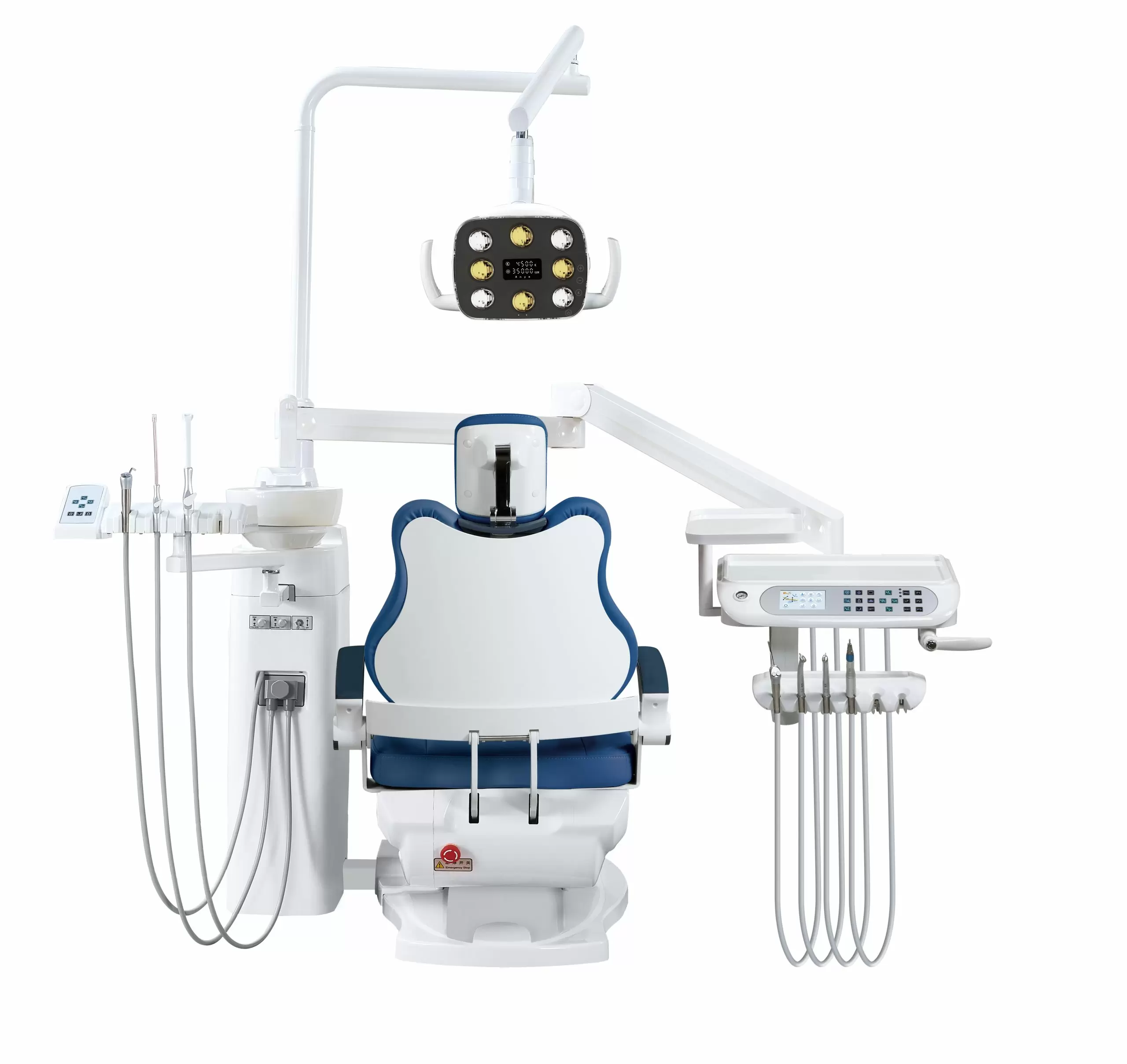
Dealers should ask about repeat-order consistency, packaging protection, documentation, and spare parts support. Clinic buyers should ask how service questions are handled after installation.
How to Evaluate a Supplier Before Purchase
A reliable supplier discussion should include product configuration, movement functions, available controls, quality checks, packaging, documentation, and after-sales communication. Buyers should ask for clear answers before payment and keep the confirmed configuration with the quotation.
For clinics, the supplier should be able to explain the chair in practical workflow language: patient entry, positioning, working access, assistant access, cleaning, and service. For dealers, the supplier should help make the product understandable for repeated sales without relying on unsupported technical claims.
Buyer Checklist
- Confirm which chair movements are motor-driven on the exact model.
- Ask how lift, backrest, and seat movements should be tested.
- Check smooth start, stop, and directional control during a demo if available.
- Review stability in common working positions.
- Confirm dentist, assistant, and foot control layout.
- Ask what safety response or movement interruption features are included.
- Review frame, base, upholstery support, and service access together.
- Ask for installation, operation, and after-sales documentation.
Common Mistakes
A common mistake is buying based on the word “electric” without checking which movements are motorized. Another is comparing chairs by appearance while skipping movement testing, control layout, service access, and supplier documentation.
Buyers should also avoid publishing or relying on unverified technical specifications. If details such as electrical values, movement ratings, or service terms matter to the purchase, ask the supplier for model-specific documents rather than repeating assumptions.
FAQ
What is an electric motor dental chair?
It is generally a dental chair that uses motor-driven movement for functions such as lifting, reclining, or positioning. Buyers should confirm exact movement functions with the supplier.
Is an electric motor dental chair better than a hydraulic dental chair?
Not automatically. The better choice depends on movement needs, stability, service support, installation context, and clinic workflow.
What should buyers test before ordering?
Check smooth movement, stable positioning, control convenience, patient access, safety response, and supplier support.
Does motor type affect durability?
Movement components matter, but frame quality, base support, installation, daily use, and after-sales service also affect durability.
What should dealers ask suppliers?
Dealers should ask about repeat consistency, packaging, documentation, spare parts support, and how product details can be explained to clinic buyers.
Comparing electric motor dental chair options? Contact Anya Medical through the contact page with your room plan, target chair functions, and movement-control questions.