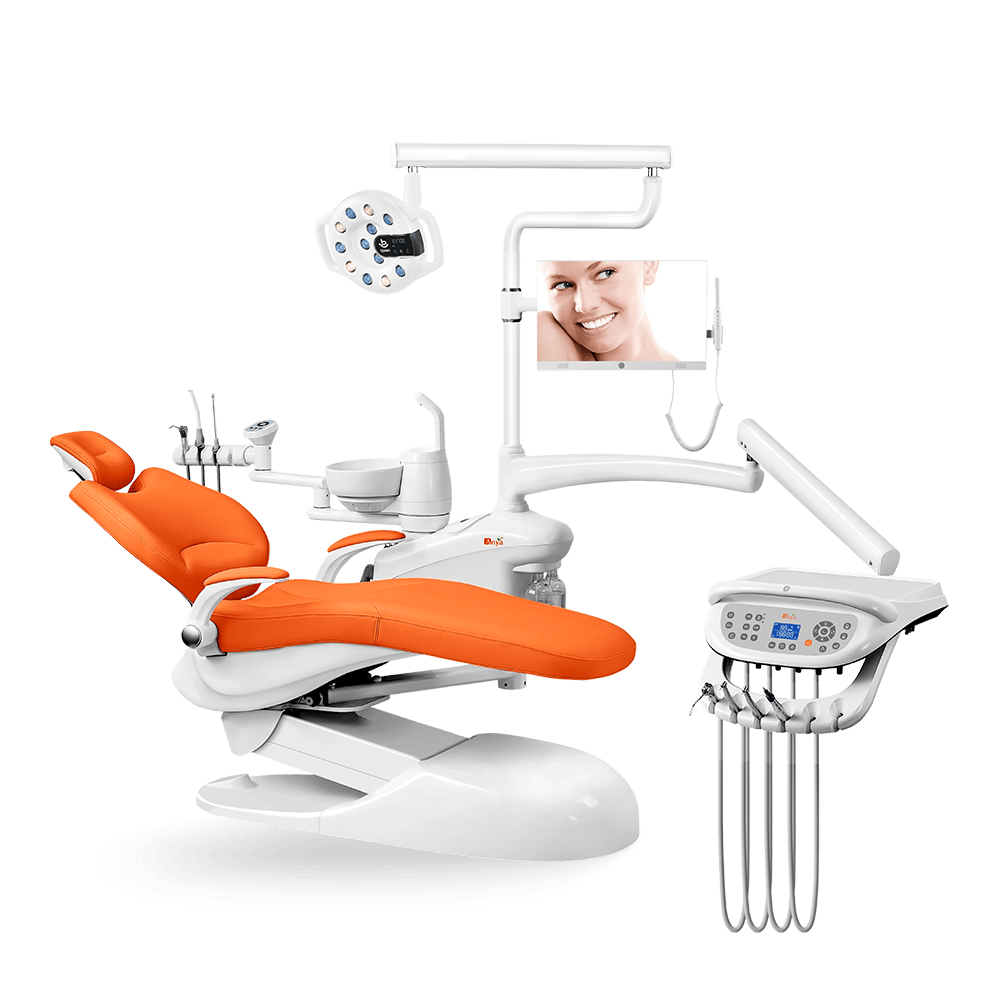
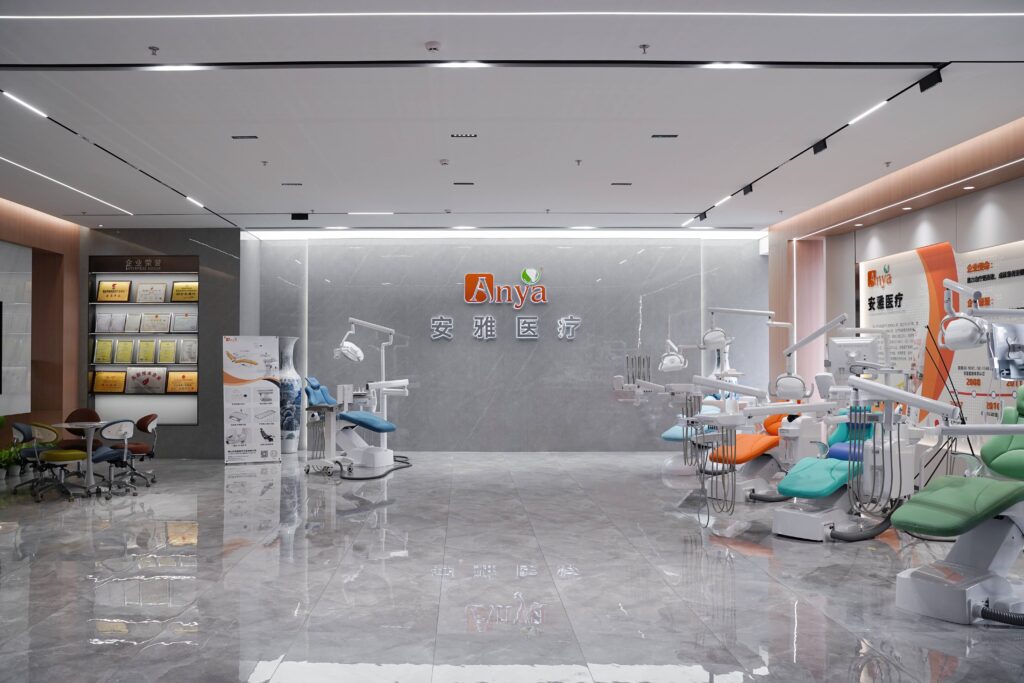
Budget and premium dental chairs can both fit a modern clinic when they are matched to treatment mix, expected chair use, service access, warranty scope and upgrade plans.
landed cost guide, installation cost guide, lease vs purchase guide, warranty terms checklist, and spare parts availability guide.
This procurement guide compares practical ownership factors without using fixed ROI, discount, certification-cost or case-study claims. Use it with supplier quotations and model documentation.
Dental Chair Market Dynamics: Price vs. Performance
A lower purchase price can help a new clinic control upfront spend, while a higher-spec configuration may support more accessories, broader adjustment options or more standardized workflows. The better choice depends on how the chair will be used.
Total Ownership Planning Checklist
Instead of relying on a universal 10-year cost table, compare the cost categories that apply to the clinic’s actual plan.
| Cost area | What to confirm | Why it matters |
|---|---|---|
| Initial purchase | Quoted chair model, delivery system, light, stool and accessory scope | Avoids comparing incomplete configurations |
| Installation | Room layout, power, air, water, suction, cabinet and delivery-unit requirements | Prevents unexpected setup delays |
| Maintenance | Service interval, parts availability, technician access and warranty exclusions | Shows whether ownership support is realistic |
| Training | Staff setup, cleaning, control use and handover documentation | Helps the team use the chair consistently |
| Replacement planning | Repair history, chair age and future procedure mix | Supports budget planning without fixed payback assumptions |
Strategic Procurement Framework
Step 1: Clinical Workflow Mapping
Specialty-specific requirements should be confirmed from the model specification sheet and a room-layout review rather than from generic performance numbers.
- Endodontics: confirm access, light positioning, delivery layout and imaging compatibility
- Pediatrics: review patient entry, headrest support, cleaning workflow and assistant access
- Orthodontics: compare delivery-system placement, tray access and room movement
- Oral surgery: review stability, positioning range, suction access and accessory support
Step 2: Supplier Evaluation Matrix
| Criteria | Budget-focus question | Premium-focus question |
|---|---|---|
| Production and delivery | What is the current lead time for the quoted configuration? | How do custom options affect lead time? |
| Customization | Which accessories can be added at purchase? | Which options are factory-supported and documented? |
| Warranty | What parts and labor are covered? | Are advanced controls and accessories covered differently? |
| MOQ and shipping | What order size and shipping documents are required? | Can multi-clinic orders standardize documentation? |
| After-sales | Who provides technician support and spare parts? | What service process applies in the destination market? |
Hybrid Procurement Models
Hybrid procurement can combine simpler chairs for routine rooms with higher-spec chairs for procedures that need more accessories or standardized controls.
- Phased adoption: start with essential chair functions and plan upgrades only when they match procedure demand
- Group purchasing: standardize model selection, spare parts, staff training and warranty terms across clinics
- Room-by-room planning: map each chair to the expected specialty, staff workflow and service plan
Modular Configuration and Sustainability Review
Modular configuration and sustainability documentation can be useful comparison topics, but buyers should request evidence for the exact model rather than relying on policy or rebate assumptions.
- Modular accessories: confirm compatibility, installation steps, warranty impact and service access
- Materials: request documentation for upholstery, plastics, metals and cleaning compatibility
- Energy and packaging: compare available product documentation, not generic environmental claims
- Service parts: ask how consumables and replacement parts are supplied over time
Regulatory Considerations
Destination-market requirements vary. Suppliers can provide available certificates, product documents and declarations, but clinics and importers should confirm which documents are required for their market.
| Document or question | What to ask |
|---|---|
| Product classification | How is this chair classified for the destination market? |
| Certificates and declarations | Which documents apply to the exact model and configuration? |
| Test reports | Which reports are available on request? |
| Importer responsibilities | Who handles registration, labeling, translation and local records? |
| Service documentation | What installation and maintenance records should the clinic keep? |
Sample 6-Chair Procurement Workflow

A six-chair clinic can compare a mixed configuration by treatment-room type rather than by a fixed case-study outcome.
- Routine rooms: compare value-focused chairs with the core controls and accessories needed for daily care
- Specialty rooms: evaluate higher-spec chairs only where specialty workflow, accessories or standardization justify them
- Service plan: review warranty terms, spare parts, technician access and staff training for the whole chair fleet
- Replacement schedule: plan future upgrades based on service history and clinical demand
Conclusion: Build an Adaptive Procurement Plan
Budget, premium and hybrid chair strategies all require the same discipline: match the chair to the room, request the right documents, confirm service support and avoid assumptions about future savings.
For a clinic-specific comparison, review model specifications, chair count, accessory needs, warranty scope and service planning with Anya’s team. Start with the dental chair procurement checklist, compare supplier quotes, and contact Anya through the contact page.
For the purchasing step, compare the best dental chair guide and use the dental chair RFQ template to align configuration, documents, installation scope, spare parts, and support before requesting quotes.