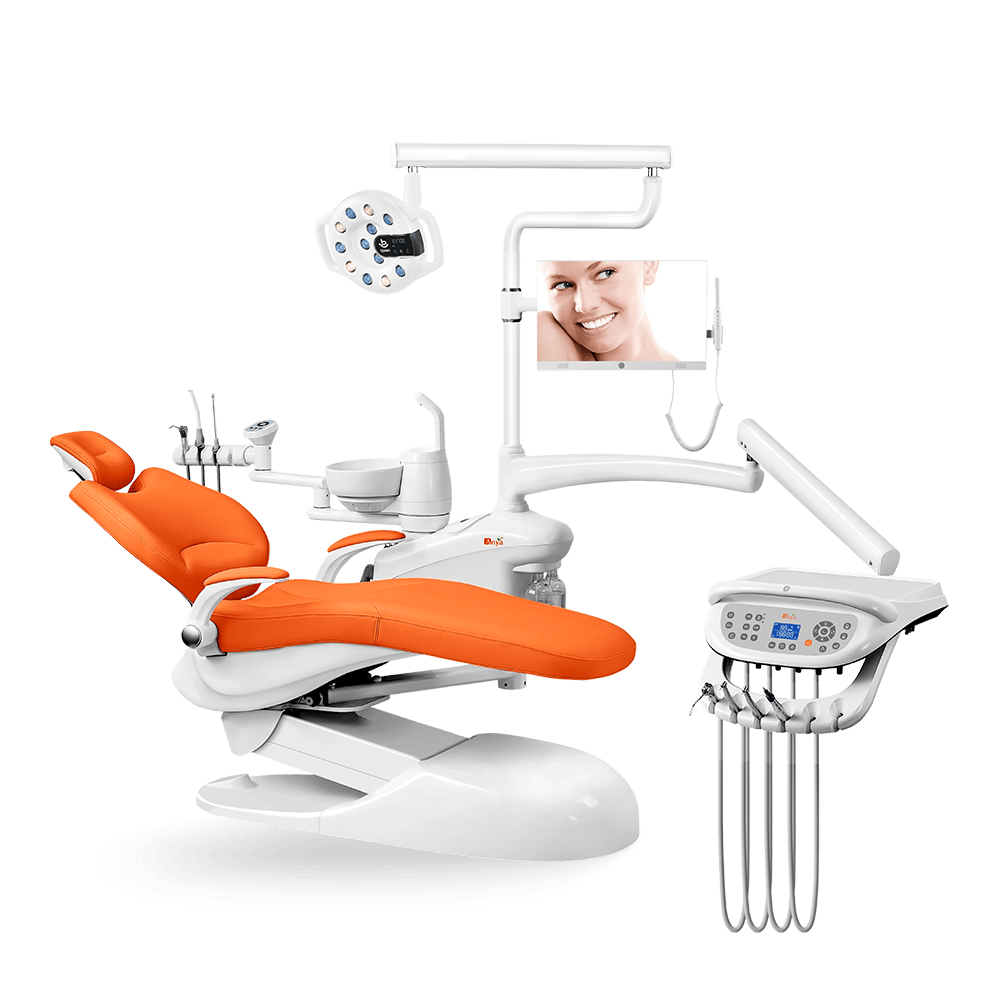
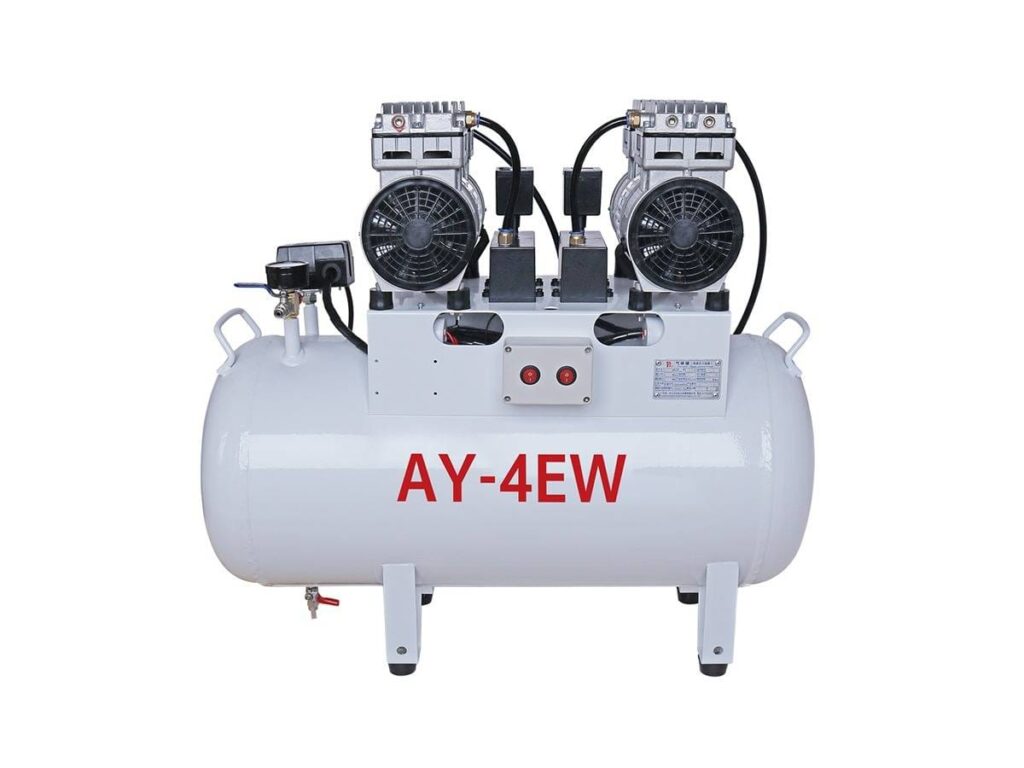
A dental air compressor supplies clean compressed air for dental chair units, handpieces, air-water syringes, and related equipment. The right compressor depends on chair count, procedure mix, air demand, pressure stability, dryness, noise, installation space, maintenance routine, and local service support.
Compare models in the dental air compressor category, review air and water line requirements, plumbing and electrical planning, dental suction units, and the installation cost guide.

What a Dental Air Compressor Must Support
The compressor should supply stable, dry, clean air for the equipment connected to it. Buyers should confirm how many chairs will run at the same time, which handpieces and syringes are used, whether the system includes filtration or drying, and where the compressor will be installed. A compressor that is too small can affect workflow; one that is oversized or poorly placed can waste space and complicate service.
| Selection Factor | What to Check | Why It Matters |
|---|---|---|
| Chair count | Current chairs, future expansion, simultaneous use | Determines required capacity and reserve planning |
| Air quality | Oil-free design, filtration, moisture control, drainage | Poor air quality can affect equipment and treatment workflow |
| Pressure and airflow | Compressor output matched to chair and handpiece requirements | Stable output helps connected tools work consistently |
| Noise and location | Install room, ventilation, vibration, patient-area distance | Placement affects patient comfort and service access |
| Maintenance | Drainage, filters, service interval, spare parts, technician support | Maintenance planning reduces avoidable interruptions |
Oil-Free, Silent and Portable Options
Many dental clinics prefer oil-free compressors because they reduce the risk of oil contamination in the air supply. Silent or low-noise designs can be useful when the compressor is near treatment areas. Portable compressors can fit mobile, backup, or single-chair scenarios, but capacity and duty cycle still need to match actual use.
For a small clinic, compare options such as the AY-2EW air compressor. For multi-chair planning, review larger options such as the AY-8EW dental air compressor. Confirm the exact specification sheet before deciding.
Installation Checks Before Purchase
- Confirm voltage, plug or wiring requirements, ventilation, drainage, and floor space.
- Measure the distance from the compressor location to chair units and utility lines.
- Plan moisture control and routine draining according to the manual.
- Check whether local technicians can service filters, motors, tanks, valves, and fittings.
- Request spare-parts references and warranty terms with the quotation.
Single-Chair vs Multi-Chair Planning
A single-chair clinic can often prioritize compact footprint, low maintenance burden, and simple installation. A multi-chair clinic should review simultaneous air demand, backup planning, pressure stability, service access, and expansion capacity. For either case, the compressor should be specified together with the dental chair package, not as an afterthought.
Buyer Checklist
- List all chairs, handpieces, syringes, and air-powered devices connected to the compressor.
- Request airflow, pressure, tank, dryer or filter, noise, and duty-cycle details.
- Confirm installation space, ventilation, electrical requirements, and service access.
- Compare warranty, spare parts, maintenance instructions, and technician support.
- Keep compressor selection aligned with chair installation and future expansion plans.
If compressor selection is part of a dental chair or operatory project, compare the best dental chair guide and use the dental chair RFQ template to align chair count, air demand, installation, documents, and support.