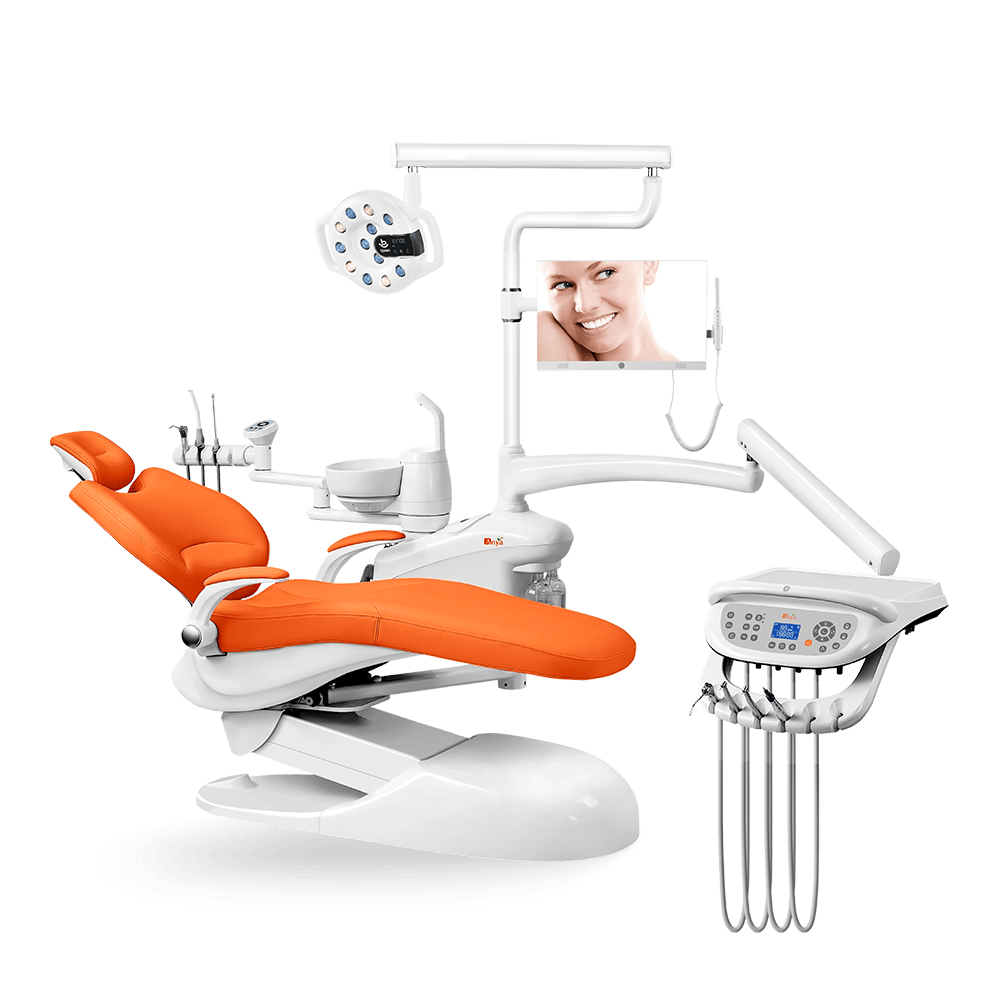
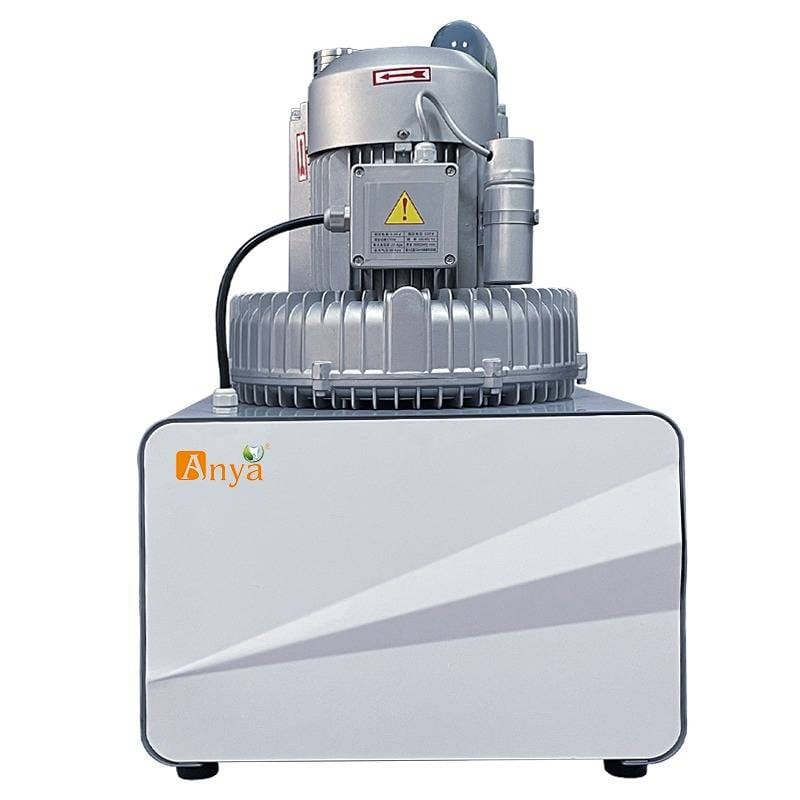
A dental suction unit removes saliva, water, debris and procedure aerosols from the working area. The right system depends on treatment type, the number of operatories, plumbing, available space, maintenance resources and local waste-handling requirements.
dental suction unit category, FM-370X portable suction unit, dental chair suction integration guide, air and water line requirements, and implant operatory checklist.
This guide compares suction system types and gives clinics a practical selection and maintenance framework. Exact capacity, electrical, separation and installation requirements must be confirmed from the quoted model documentation and the clinic’s site plan.
What Is a Dental Suction Unit?
A dental suction unit creates vacuum and carries material away from the patient’s mouth through a tip, hose and pipework. Depending on the system, air and liquid may be separated near the chair, in a central plant area or inside a portable unit.
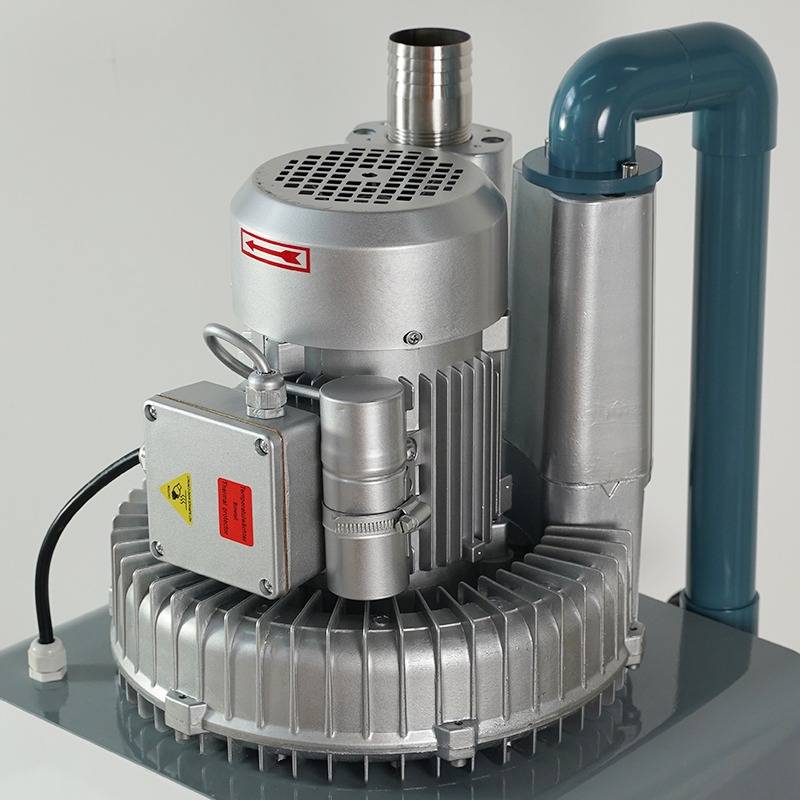
Suction supports visibility and fluid control, but it does not replace surface cleaning, waterline care, ventilation, personal protective equipment or the infection-control procedures required by the clinic.
How Dental Suction Systems Work
| System stage | Function | Buyer check |
|---|---|---|
| Suction tip and valve | Collects fluid and debris at chairside | Tip types, valve control, cleaning and replacement process |
| Hose and pipework | Carries air and liquid away from the treatment area | Routing, access, material compatibility and blockage procedure |
| Separation | Separates air, liquid and collected material where the design requires it | Separator location, waste route and service access |
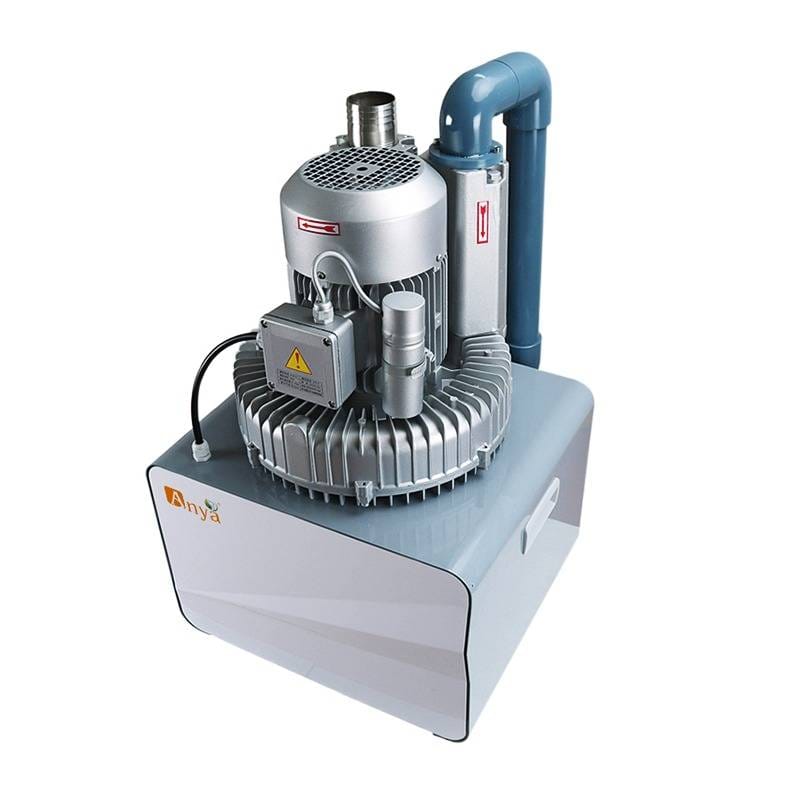
| Vacuum source | Generates suction for one chair or multiple operatories | Capacity for simultaneous use, utilities, heat, noise and ventilation |
| Filtration or collection | Captures material according to the system design | Consumables, disposal steps and documented maintenance intervals |
Main Types of Dental Suction Units
Most clinics use more than one suction interface. The following terms describe chairside tools and equipment configurations; they should not be treated as interchangeable product specifications.
Saliva Ejectors
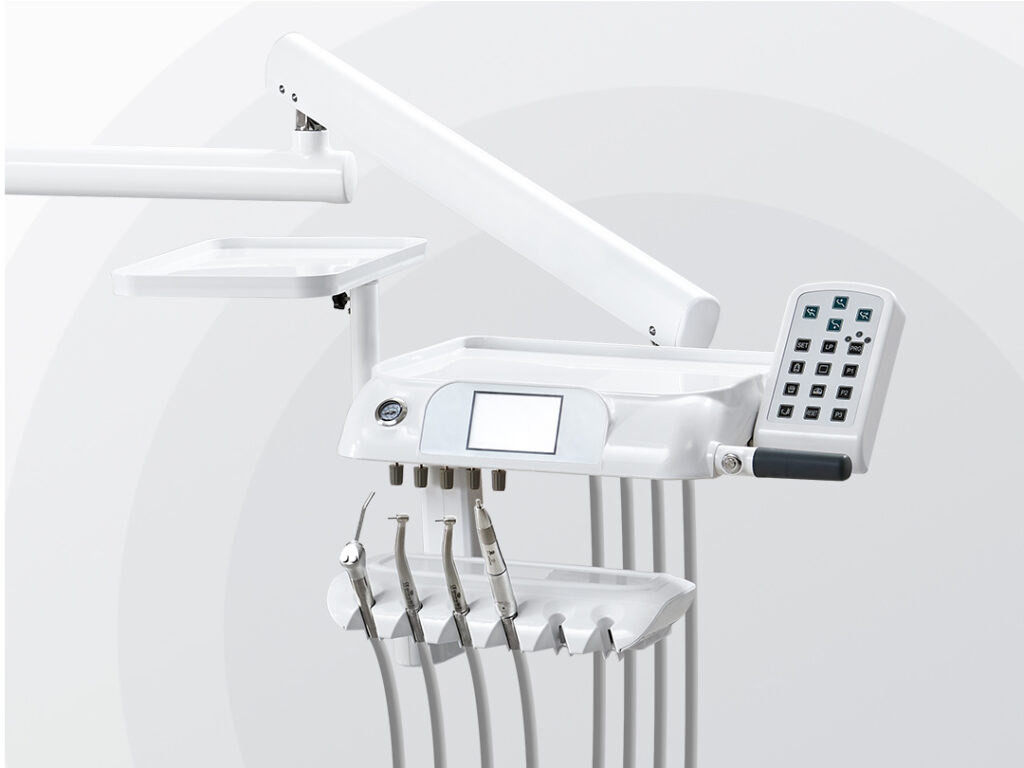
A saliva ejector provides low-volume fluid removal during examinations, hygiene procedures and other workflows where continuous heavy evacuation is not required. Buyers should compare disposable or reusable tip policy, valve cleaning, hose fit and backflow-control instructions.
High-Volume Evacuation
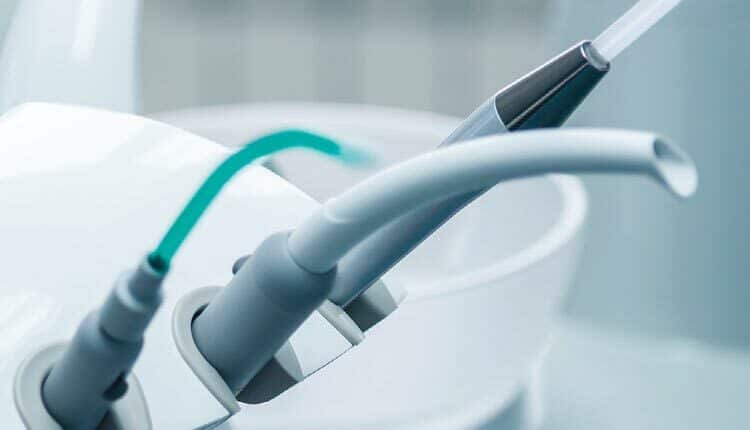
High-volume evacuation is used when the procedure produces more water, debris or aerosol. Selection should consider the procedure mix, tip geometry, assistant access, hose handling and the capacity of the complete vacuum system rather than the handpiece alone.
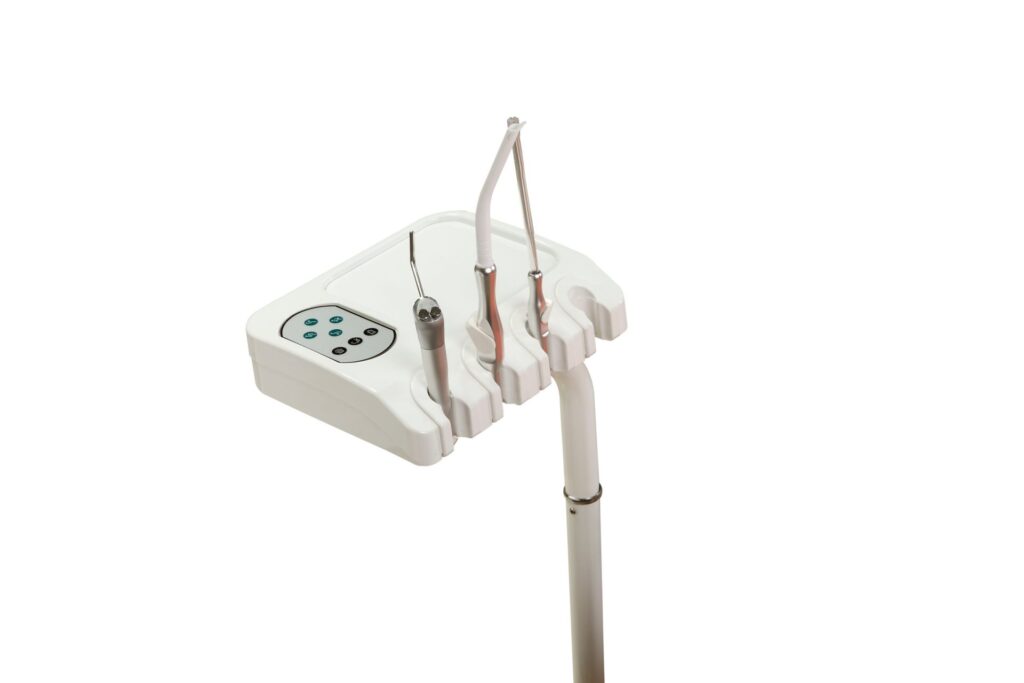
Chairside and Built-In Suction
Chairside suction may be integrated with a dental unit or connected to a remote vacuum source. Check how valves, hoses, holders, separators and assistant-side components are arranged around the chair, and whether staff can clean and service them without disrupting other equipment.
Wet vs. Dry Dental Suction Systems
Wet and dry describe how the vacuum system handles air and liquid. Neither format is automatically the best choice for every clinic; utilities, waste route, maintenance, local requirements and existing infrastructure determine the fit.
| Comparison point | Wet system | Dry system |
|---|---|---|
| Operating principle | Uses water in the vacuum-generation or separation process, depending on design | Uses a dry vacuum pump with air-liquid separation appropriate to the design |
| Site utilities | Review water supply, drainage and plant-room requirements | Review electrical supply, ventilation, separation and drainage requirements |
| Maintenance | Follow the maker’s drain, separator, line and cleaning procedures | Follow the maker’s separator, filter, pump and cleaning procedures |
| Planning priority | Existing plumbing and water-management policy | Plant-room fit, separation design and service access |
Centralized vs. Portable Dental Suction Units
Centralized Systems
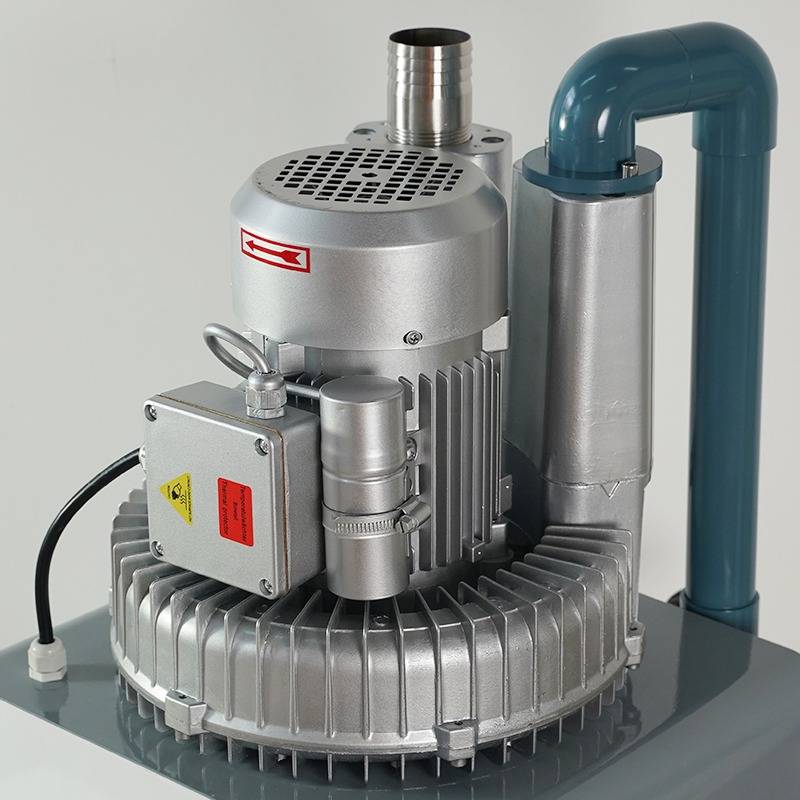
A centralized system supplies suction to multiple operatories from a shared vacuum source. It can support a standardized multi-room layout, but it requires capacity planning, pipework design, plant space, installation coordination and a maintenance plan for the shared system.
Portable Units
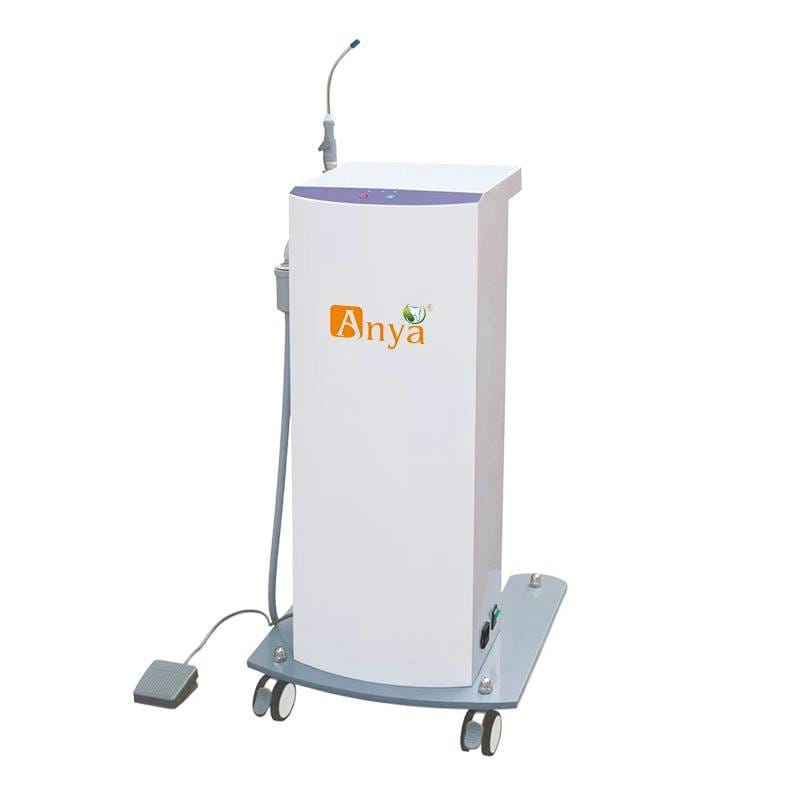
A portable unit is useful where permanent pipework is unavailable, for temporary rooms, mobile care or as a planned backup. Buyers should check the intended procedure, duty cycle, collection method, mobility, cleaning workflow, storage and access to power.
| Decision factor | Centralized system | Portable unit |
|---|---|---|
| Typical deployment | Several fixed operatories | Single room, mobile, temporary or backup use |
| Installation | Requires coordinated pipework and plant planning | Requires room-level setup and storage planning |
| Capacity review | Simultaneous chair demand and future expansion | Procedure fit and the quoted unit’s operating limits |
| Service impact | Shared-system service can affect multiple rooms | Each unit can be serviced or replaced individually |
Controls, Monitoring and Safety Features
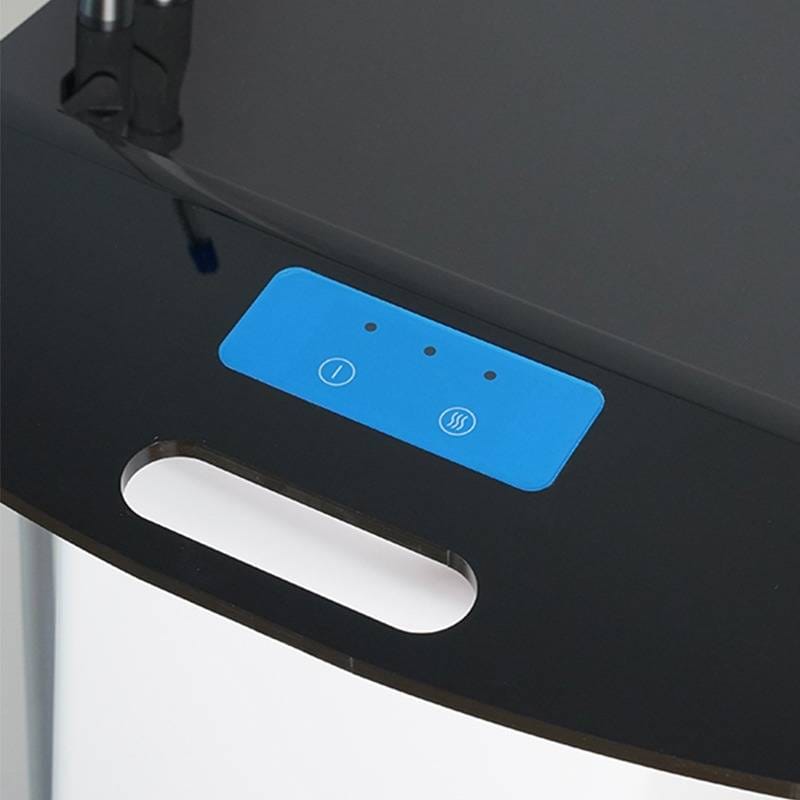
Some systems include alarms, status indicators, automatic controls or maintenance reminders. Treat these as model-specific functions: request a demonstration, identify what is measured, confirm how staff respond to alerts and ask whether the feature depends on software or a service subscription.
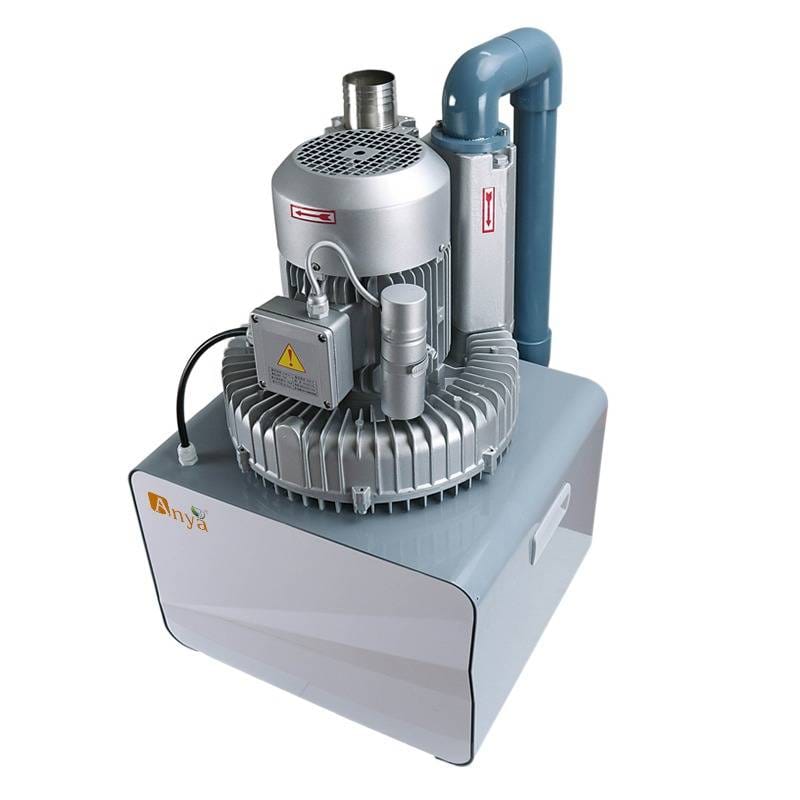
- Backflow and valve design: review the documented design and staff operating procedure
- Separation and collection: confirm what is included, optional or installed separately
- Overheat or fault indication: ask what stops the unit and how staff should respond
- Noise management: review plant location, enclosure, ventilation and the maker’s test conditions
- Service access: confirm filters, separators, pumps, hoses and electrical components can be reached
How to Choose a Dental Suction Unit
- Map clinical demand: operatories, simultaneous procedures, specialty use and expected expansion
- Survey the site: electrical supply, drainage, water, pipe routes, ventilation, space and noise-sensitive areas
- Define the waste route: collection, separation, disposal and any locally required equipment
- Compare complete configurations: vacuum source, separator, filters, tanks, valves, hoses, controls and installation parts
- Check service support: maintenance responsibility, spare parts, technician access, warranty and escalation path
- Plan staff workflow: daily checks, cleaning, fault response, consumables and service records
Selection Checklist by Clinic Type
| Clinic scenario | Selection focus |
|---|---|
| New multi-chair clinic | Plant location, simultaneous demand, expansion, pipework, separation and installation responsibility |
| Existing clinic replacement | Compatibility with current utilities, pipework condition, downtime plan and removal of old equipment |
| Specialty or surgical room | Procedure-specific evacuation, assistant access, collection, consumables and cleaning workflow |
| Mobile or outreach service | Transport, power, stability, collection, storage, cleaning and local disposal arrangements |
| Backup planning | Which procedures the backup must support, setup time, storage and periodic function checks |
Maintenance Checklist for Dental Suction Equipment
Maintenance intervals and approved products vary by model. The manual, installation documents and local clinical procedures are the authoritative sources; staff should not improvise chemical mixtures or dismantle electrical and vacuum components outside their training.
| Frequency | Clinic task | Escalation point |
|---|---|---|
| Each clinical day | Check suction response, visible hoses, valves, collection level and fault indicators | Unexpected loss of suction, leakage, unusual heat, smell or sound |
| After relevant procedures | Follow the documented flushing, collection and cleaning routine | Blocked lines, damaged tips or incompatible waste |
| Scheduled interval | Inspect or replace filters, separators, seals and consumables as documented | Repeated blockage, damaged components or unavailable parts |
| Professional service | Electrical, pump, motor, plant-room, pipework and performance inspection | Any repair requiring covers, wiring, calibration or specialized tools |
Questions to Ask a Dental Suction Supplier
- Which exact components and accessories are included in the quotation?
- How was capacity selected for the planned number of operatories and simultaneous use?
- What electrical, water, drainage, ventilation and plant-space conditions are required?
- Which installation work is handled by the supplier, local contractor or clinic?
- What separation, collection and disposal equipment is required for this market and procedure mix?
- Which daily tasks, consumables and professional service intervals are documented?
- What warranty exclusions, spare-parts lead times and technician support apply?
- Which declarations, test reports, manuals and destination-market documents are available for the exact model?
Anya Dental Suction Unit Options

Anya Medical supplies dental suction equipment for fixed and portable clinic workflows. Start with the Dental Suction Unit category to review available configurations. The historical category URL contains a spelling error, but it is the current live address and should not be changed without a redirect plan.
For portable requirements, review the FM-370X portable dental suction unit. For chairside or surgical use, compare the exact configuration, accessories and service scope with the supplier before purchase.
Frequently Asked Questions
What is the difference between a saliva ejector and high-volume evacuation?
A saliva ejector is intended for lower-volume fluid removal, while high-volume evacuation is selected for procedures that produce more water, debris or aerosol. The vacuum source, hose and tip must all support the intended workflow.
Is a central dental suction system better than a portable unit?
It depends on the clinic. Central systems suit fixed multi-room installations, while portable units can serve single-room, temporary, mobile or backup needs. Compare installation, capacity, maintenance and service impact rather than choosing by format alone.
How often should dental suction equipment be maintained?
Use the interval stated for the exact model and component. Daily staff checks, documented cleaning, scheduled consumable replacement and professional service cover different parts of the maintenance plan.
What documents should a clinic request before purchase?
Request the specification sheet, installation requirements, operation and maintenance manuals, warranty, included-parts list, service process and destination-market documentation for the exact quoted model.
Conclusion
Dental suction selection starts with the clinic workflow and site, not a single performance number. Map simultaneous demand, utilities, waste handling, maintenance and service support before comparing central, portable, wet or dry configurations.
For a model comparison, send the chair count, room plan, procedure mix, utilities and destination market through the Anya Medical contact page. Also review dental chair suction integration and air and water line requirements so the quotation can identify the required equipment, installation scope and documentation.
If suction selection is part of a dental chair or operatory purchase, compare the best dental chair guide and use the dental chair RFQ template so suction, room utilities, installation, documents, and support are quoted together.