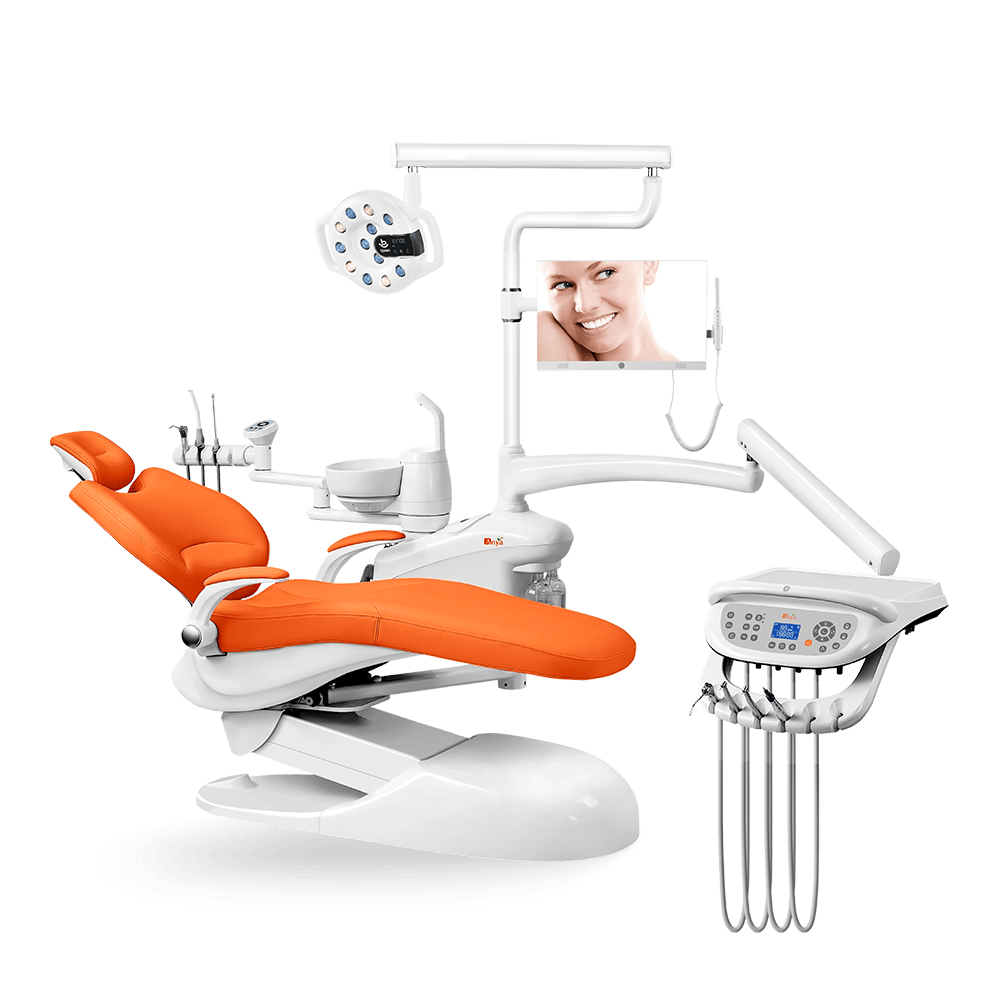
Dental chair suction integration should be planned before the clinic finalizes chair selection, room routing, and assistant-side workflow. Central vacuum, built-in suction, portable suction, and hybrid setups can each fit different clinic situations. The right choice depends on procedure mix, number of chairs, assistant access, maintenance expectations, room layout, utility routing, and supplier confirmation.
Review the dental suction unit category, dental suction unit guide, operatory layout requirements, air and water line requirements, and dental air compressor guide.
What Suction Integration Should Solve
Suction integration should make the assistant’s work clear and repeatable. The suction source, chair-side access, hose route, cleaning process, and service plan should fit together. If the assistant cannot reach suction comfortably, or if the service path is blocked by cabinets or walls, the setup will create daily friction after installation.
Buyers should describe what the suction arrangement needs to support. General dentistry, surgery support, hygiene, multi-chair clinics, renovations, and temporary rooms may all require different planning. Exact performance values should come from selected equipment documentation and qualified local installers.
Central, Built-In, Portable, and Hybrid Options
| Option | Best Fit | Planning Focus |
|---|---|---|
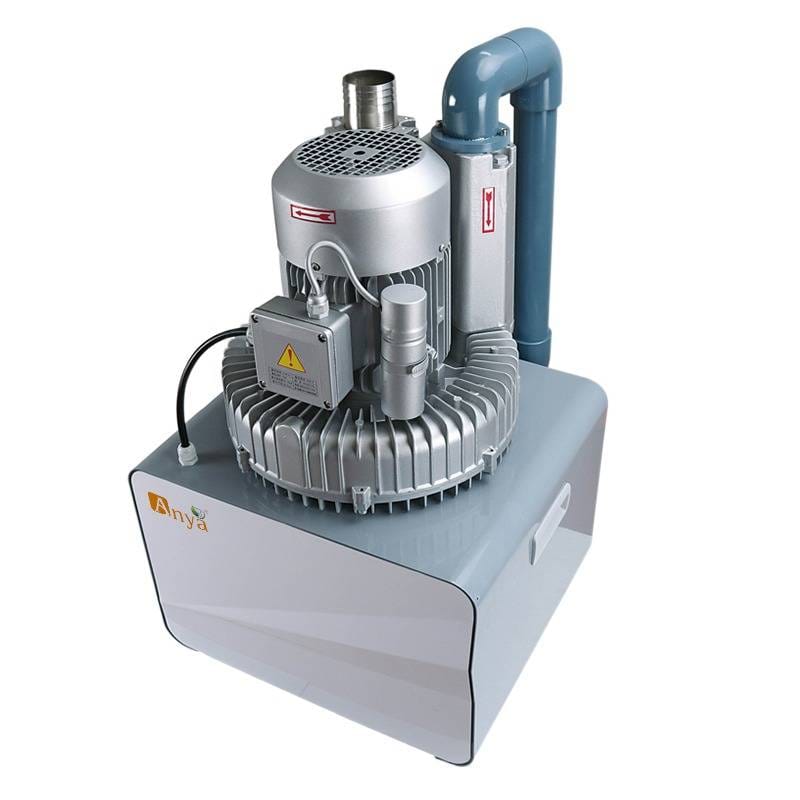
| Central vacuum | May fit multi-chair clinics and future expansion | Early utility routing, shared maintenance access, and room-to-room planning |
| Built-in chair suction | May fit compact rooms or chair-specific configurations | Assistant-side access, chair compatibility, and service points |
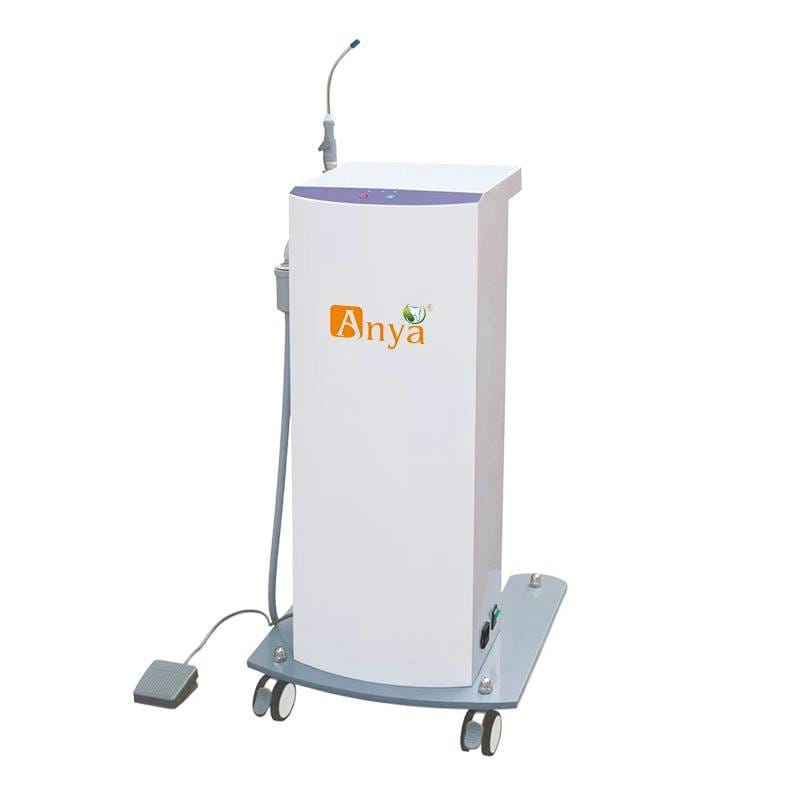
| Portable suction | May fit backup, temporary, renovation, or flexible room use | Equipment location, hoses, cleaning, power route, and room comfort |
| Hybrid approach | May fit staged clinic expansion or backup planning | Which rooms use central service and which need backup or temporary support |
There is no universal winner. Central systems can fit multi-chair planning. Built-in or portable options can support flexibility. The final choice depends on the selected chair, suction unit, room layout, procedure mix, local installation conditions, and maintenance responsibility.
Assistant Access and Procedure Mix
Assistant access is one of the most important suction questions. The suction should be reachable without twisting, crossing the patient path, or fighting the delivery system. The assistant should know where suction starts, where it rests, and how it is cleaned between patients. Procedure mix matters because a general room, implant room, hygiene room, or multi-use room may place different demands on suction access.
Room Routing and Utility Planning
Routing can make suction easy or difficult to live with. Central vacuum planning may involve room-to-room routing and coordination with construction. Built-in or portable setups may need clear placement, safe cable or hose paths, and access for routine service. Do not invent pipe sizes, flow rates, vacuum values, or installation rules in the purchase file. Those details depend on selected equipment, local site conditions, and qualified professionals.
For product references, review Dental Suction Equipment FM-1100X and Portable Dental Suction FM-370X, then confirm whether the selected chair, room route, and procedure mix match the proposed suction approach.
Maintenance and Service Ownership
Suction planning is incomplete until maintenance responsibility is clear. The clinic should know who checks hoses, traps, filters, containers, external surfaces, equipment location, and service records. Dealers should know which parts are stocked locally and which issues require supplier support. If a clinic has multiple rooms, maintenance should be standardized enough that staff do not need a different process in every operatory.
Buyer Checklist
- How many chairs will the clinic support now and later?
- What procedure mix will each room handle?
- Can the assistant reach suction comfortably without crossing the patient path?
- Where will suction equipment sit, and how will it be serviced?
- How will hoses, cables, or utility routes avoid staff and patient movement paths?
- Who is responsible for cleaning, maintenance, parts, and service records?
- Has the supplier confirmed the final chair and suction configuration in writing?
Need help planning dental chair suction integration? Send Anya Medical your chair model, room layout, number of chairs, procedure mix, suction preference, and installation questions through the request quote page.
Common Suction Planning Mistakes
- Choosing suction after the room layout, cabinets, and chair position are already fixed.
- Assuming central vacuum is automatically the right choice for every clinic.
- Using a portable option without confirming procedure fit, cleaning workflow, and service route.
- Ignoring assistant reach, hose paths, power access, and patient movement.
- Failing to define who owns cleaning, maintenance, replacement parts, and issue records.
FAQ
What is dental chair suction integration?
It is the planning process for suction equipment, chair-side access, hose or utility routing, cleaning, maintenance, service access, and assistant workflow around a dental chair.
Is central vacuum always better than built-in suction?
No. Central vacuum may fit multi-chair clinics, while built-in, portable, or hybrid options may fit smaller, staged, temporary, or retrofit projects.
What should buyers confirm before suction installation?
Confirm the chair model, suction equipment, room route, assistant access, cleaning process, service access, installer responsibility, and written configuration before approval.