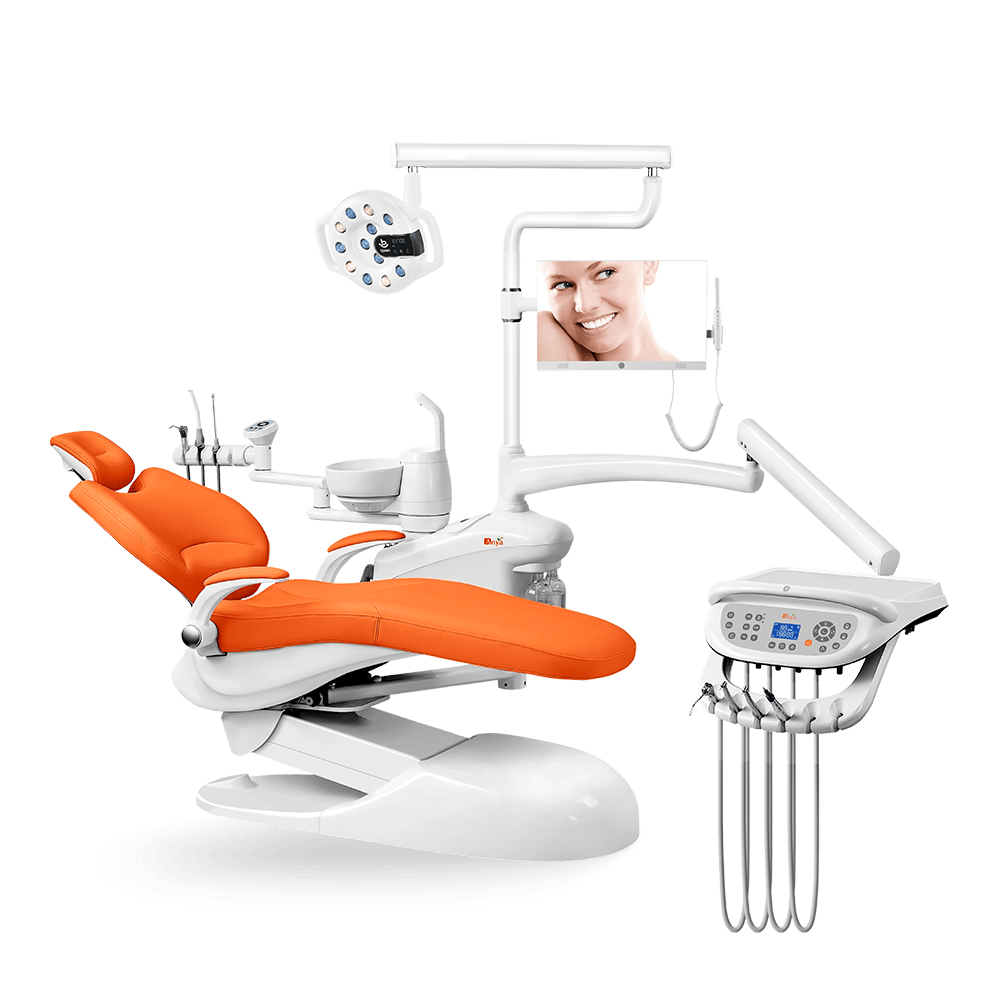


A clinic should consider adding a second dental chair when the first operatory is repeatedly limiting schedule flow, room availability, service mix, or patient experience, and when the clinic has the staff, room, utilities, budget, and support plan to use another chair well. The decision to add a second dental chair is not only an equipment purchase. It changes operatory layout, assistant flow, sterilization planning, delivery access, installation timing, and after-sales responsibility.
This guide is for clinic owners and managers deciding whether to expand from one operatory to two. It should be used with the guide on how many dental chairs a new clinic needsEl multi-chair clinic equipment planning article, and the operatory layout requirements checklist. It does not provide a fixed patient-count rule or revenue promise; use your own schedule and operating data to decide.
When a Second Dental Chair Becomes Worth Reviewing
Your schedule is creating repeated bottlenecks
A second chair becomes worth reviewing when appointment flow is repeatedly constrained by room availability rather than temporary schedule noise. The clinic should look at its own appointment book, cancellation patterns, provider availability, emergency handling, hygiene schedule, and treatment-room turnover before deciding that equipment is the bottleneck.
Treatment flow depends too much on one room
If the clinic has only one usable operatory, every procedure competes for the same room. Exams, hygiene, restorative work, emergency visits, consultations, and follow-up checks can interfere with each other. A second chair may help separate workflows, but only if staff, instruments, and sterilization flow can support the extra room.
You are expanding services or adding clinical time
Service expansion can create a real need for another chair. The clinic may be adding provider hours, hygiene capacity, specialty procedures, consultation capacity, or overflow treatment. The second room should have a defined role rather than becoming a vague extra room.
The existing operatory is limiting patient experience
When one room handles every task, patients may experience longer waits, rushed room turnover, or less flexible scheduling. A second chair can support a smoother experience when the clinic can operate it responsibly. It should not be purchased as a shortcut around staffing, workflow, or room readiness problems.
Confirm the Bottleneck Before You Buy
Before you add a second dental chair, identify what is actually limiting the clinic. Sometimes the bottleneck is room availability. Sometimes it is provider time, assistant coverage, sterilization flow, front-desk scheduling, instrument turnover, or the way procedures are grouped on the calendar. A chair solves only chair-related capacity problems.
Use a short review period with your own data. Mark which appointments could have used another room, which were delayed for reasons unrelated to room count, and which services would realistically move to the second chair. This review does not need invented benchmarks. It needs honest notes from the people who run the clinic every day.
Expansion Readiness Checklist Before Buying
Schedule and patient demand
- Review repeated scheduling pressure using the clinic’s own appointment data.
- Identify whether bottlenecks come from room availability, staff coverage, provider time, instruments, or administrative flow.
- Separate temporary demand spikes from recurring patterns.
- Define the second chair’s primary role: hygiene, general treatment, overflow, specialty support, or consultation.
Provider and assistant availability
- Confirm who will use the second chair and when.
- Check whether assistants, front desk, sterilization, and inventory flow can support another room.
- Decide whether staff will rotate between rooms or stay room-specific.
- Review whether adding a chair creates new training or documentation needs.
Room, utility, and layout readiness
- Check chair movement, patient entry, assistant access, cabinetry, lighting, and service clearance.
- Verify power, air, water, suction, drainage, and installation access with qualified local professionals.
- Confirm delivery path, doorway access, storage, and unloading responsibilities.
- Review dental chair installation cost before approving the purchase budget.
Budget, purchasing path, and support
- Decide whether the clinic will purchase, finance, or lease based on local terms and adviser input.
- Compare total project scope, not only chair price.
- Clarify warranty process, spare parts route, and after-sales contact.
- Use the dental chair procurement checklist before final approval.
Add Now, Prepare the Room, or Wait?
| Decision | Good fit when | Main action | Risk to watch |
|---|---|---|---|
| Add a second chair now | The clinic has recurring schedule pressure, available staff coverage, a ready room, and a clear purchasing plan. | Select chair configuration, confirm utilities, and coordinate delivery and installation. | Buying before confirming room fit, service support, and true bottleneck source. |
| Prepare the room first | Demand is emerging, but the room, utilities, layout, or budget are not ready yet. | Plan operatory layout, utilities, cabinetry, delivery path, and purchasing sequence. | Completing infrastructure but failing to document future equipment assumptions. |
| Wait and monitor | Demand is inconsistent, staffing is not available, or the clinic cannot use a second room well yet. | Track scheduling pressure, chair use patterns, service mix, and patient feedback. | Mistaking temporary demand for long-term capacity need, or waiting until pressure becomes disruptive. |
Common Mistakes When Adding a Second Dental Chair
Mistake 1: Using generic volume rules
Do not buy from a universal patient-count rule. Review the clinic’s own schedule, service mix, staff coverage, and room constraints. A second chair should solve a real operational bottleneck.
Mistake 2: Buying before confirming the room
The planned room must support chair position, patient access, assistant reach, utilities, service clearance, and delivery path. If the room is compact or irregular, review compact operatory planning before ordering.
Mistake 3: Treating the chair as a standalone purchase
A second chair also affects suction, compressor planning, electrical, drainage, instruments, sterilization, cabinetry, stools, light, and team workflow. The purchase should be planned as a complete operatory.
Mistake 4: Choosing only by lowest price
Price matters, but so do configuration, installation requirements, spare parts, warranty terms, delivery support, and technical communication. Review lease vs purchase considerations if cash flow is part of the decision.
Second-Chair Room Role Examples
The second chair should have a job. Some clinics use it as a hygiene room. Others use it for consultation, overflow, emergency visits, specialty support, or staged treatment. The best role depends on the clinic’s current constraints and future plan.
If the second chair is for hygiene, check assistant support, sterilization flow, patient turnover, and whether the room needs the same delivery configuration as the main treatment room. If the room is for overflow or emergency visits, check whether the chair can support quick transitions without disrupting scheduled procedures. If the room is for future specialty work, avoid buying accessories too early unless the service plan is already clear.
Document the room role in the quotation request. A supplier can recommend a more useful configuration when the buyer explains how the second operatory will be used. The phrase “add a second dental chair” should lead to a room-specific conversation, not only a repeat of the first purchase.
What a Manufacturer or Dealer Can Help You Clarify
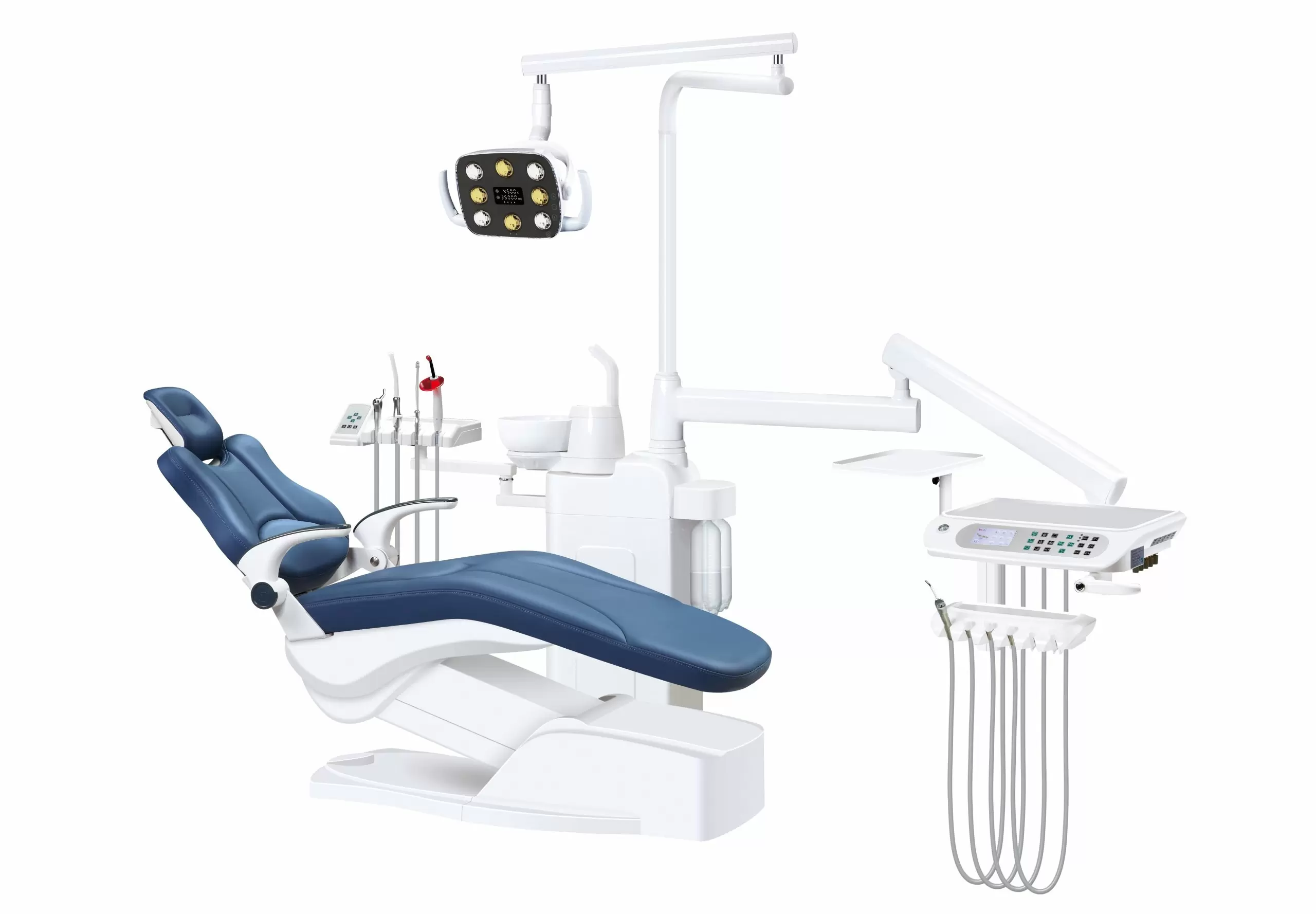
A manufacturer or dealer can help compare chair models, delivery systems, accessory scope, installation-related information, packing, documents, spare parts route, and after-sales communication. They can also help the clinic decide whether the second room should match the first chair or use a different configuration for a different purpose.
The supplier should not replace local project professionals. Room dimensions, utilities, local installation, contractor work, and clinic staffing should be validated by the buyer and local team. The strongest supplier conversation happens when the clinic sends a room plan, intended room role, current chair model if applicable, preferred configuration, and open installation questions.
PREGUNTAS FRECUENTES
How do I know if my clinic needs to add a second dental chair?
Review repeated scheduling bottlenecks, service delays, provider availability, assistant coverage, sterilization flow, room readiness, and patient experience. The need should come from your own clinic data and operating plan.
Should I buy the second chair before the room is ready?
Confirm layout, utilities, access, and installation requirements first. The chair should match the operatory, not force the clinic to redesign the room after purchase.
Can a second chair improve clinic efficiency?
It can support smoother flow when demand, staffing, room readiness, and workflow are ready. Results depend on the clinic’s own operations, not the chair alone.
Is it better to lease or purchase a second dental chair?
Compare cash flow, ownership goals, upgrade plans, installation cost, and local financing terms. Financing, tax, and accounting questions should be reviewed with qualified advisers.
What should I ask a dental chair supplier before adding a second chair?
Ask about model configuration, installation requirements, warranty terms, spare parts, service support, packing, shipping scope, and what information the supplier needs from your room plan.
Planning a second dental chair? Browse Anya’s dental chair units o contact Anya Medical with your current operatory setup, planned second-room role, and procurement questions.