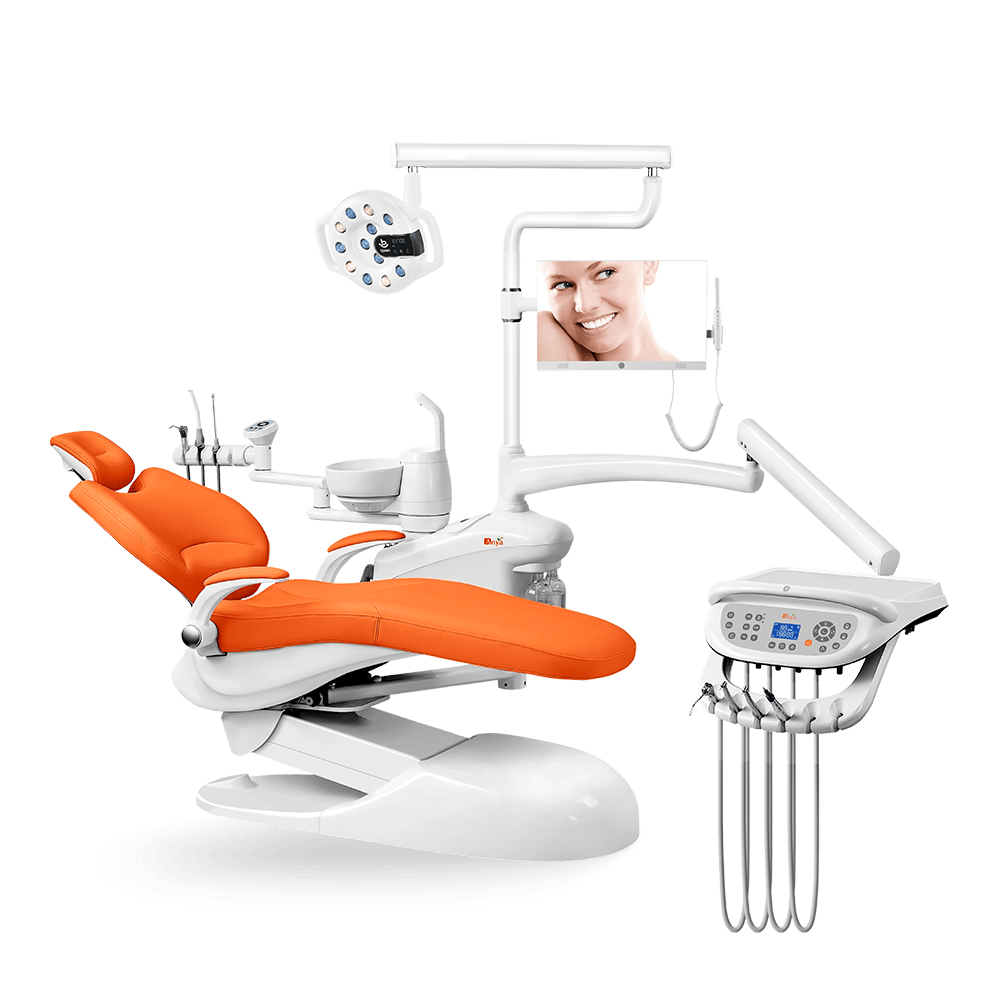
Multi-chair dental clinic equipment planning is different from buying one chair for one room. A clinic with several operatories has to decide where consistency matters and where room-specific flexibility is useful. Standardizing every dental chair unit can simplify training and planning, but mixing models may make sense when rooms have different procedures, space limits, or expansion stages. The right decision starts with room roles, workflow, utilities, assistant access, and future service needs.
If you are still deciding room counts, compare the best dental chair brands in the USA first, then use the RFQ template to scope quotes by room.
Plan the clinic-wide decision with the layout requirements guide, compact operatory planning, plumbing and electrical checklist, air and water line guidey dental chair positioning.
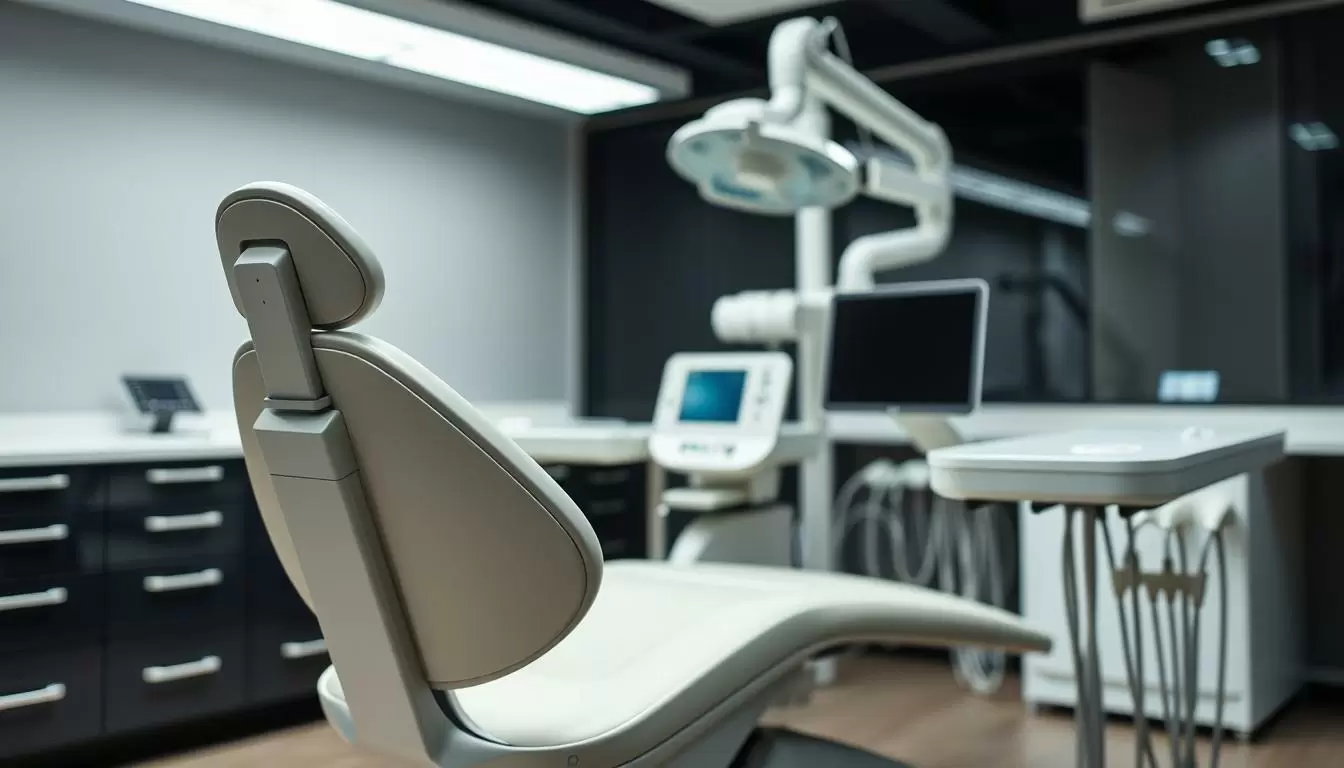
This guide is for clinic owners, group practices, dealers, and planners expanding beyond one treatment room. It builds on the dental operatory layout requirements guide, the compact dental operatory planning article, and the dental chair positioning guide. Buyers comparing models can review Anyamedical unidades dentales before discussing the final room-by-room plan.
Why Multi-Chair Planning Is Different
A single operatory can be designed around one dentist, one room shape, and one procedure mix. A multi-chair clinic adds coordination. Staff may rotate between rooms. Assistants may support different operators. One room may be compact while another supports a broader setup. Utilities, cabinetry, lighting, stools, suction, air, and delivery systems need to work as a clinic system, not isolated purchases.
The goal is not sameness for its own sake. The goal is consistency where it reduces confusion and flexibility where the clinic has a real reason to vary the setup.
A useful way to think about multi chair dental clinic equipment is to separate the decision into three layers: what the patient sees, what the clinical team touches every day, and what the installer or service team needs behind the scenes. A clinic may keep visible room experience consistent while allowing different delivery systems in specific rooms. Or it may standardize serviceable components while letting accessories vary by procedure type.
When Standardizing Dental Chair Units Makes Sense
Standardization can be useful when rooms have similar treatment roles and staff move between them. Similar chair controls, delivery positions, light positions, assistant-side access, and basic room layouts can make daily operation easier to understand. It can also make the ordering conversation clearer because fewer configurations need to be documented.
Standardizing may also help when a clinic wants repeatable utility planning. If several operatories are built at the same time, repeated layouts can reduce the chance that one room is prepared differently by accident. Even then, each room still needs its own review because door swing, walls, cabinetry, and service access can vary.
When Mixing Dental Chair Models May Be Practical
Mixing models can make sense when rooms have different purposes. A hygiene room, a compact room, a surgical support room, and a general treatment room may not need the same equipment package. A clinic expanding in phases may also choose one setup now and another later as needs become clearer.
Mixing should have a reason. If every room uses a different chair because each purchase happened separately, the clinic may create unnecessary complexity for staff, parts planning, training, and future service. If the variation is tied to room function, space, or workflow, it may be a sensible decision.
Before mixing models, write a one-sentence purpose for each room. For example, one room may need a compact layout, another may prioritize team workflow, and another may be prepared for future services that are not yet fully defined. If the reason cannot be explained clearly, the variation may be accidental rather than strategic.
Standardize vs Mix Models: Planning Comparison
| Planning question | Standardize models | Mix models | What buyer should confirm |
|---|---|---|---|
| Room purpose | Best when rooms support similar workflows. | Useful when rooms have different roles. | Define each room before choosing equipment. |
| Staff training | More consistent controls and daily habits. | May require room-specific familiarity. | Who rotates between rooms and how often? |
| Layout planning | Easier to repeat similar layouts. | Each room needs closer review. | Door swing, cabinetry, patient entry, and stool paths. |
| Servicios | May simplify repeated utility planning. | May fit rooms with different utility constraints. | Plumbing, electrical, air, suction, and drainage assumptions. |
| Expansion | Easier to replicate in future rooms. | Can adapt to phased growth. | Which choices should become clinic standards? |
| Main risk | Assuming one model fits every room. | Creating unnecessary variation. | Document why each room is the same or different. |
Key Planning Factors Before Choosing Equipment
Start with room roles. Decide which rooms are for general dentistry, hygiene, surgery support, consultation, overflow, or mixed use. Then check chair movement, patient access, assistant-side access, and whether the room supports four-handed workflow. The four-handed dentistry setup guide can help buyers think through assistant reach and handoff flow before equipment is ordered.
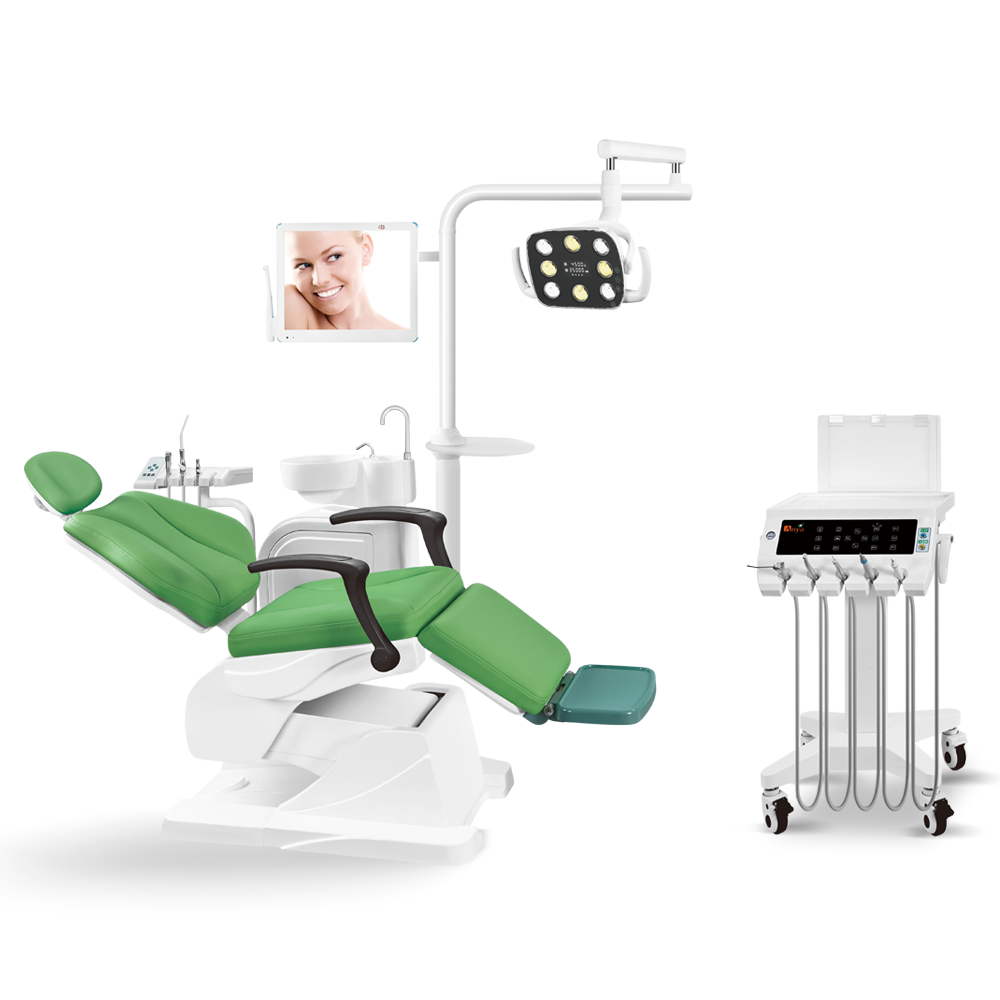
Utility planning should happen early. Plumbing, electrical, compressed air, suction, and drainage can limit the final chair choice and installation sequence. Use the dental chair plumbing and electrical requirements checklist before approving multiple rooms.
Create a Room-by-Room Equipment Matrix
For a multi-chair clinic, a simple matrix often prevents confusion. List every room in the first column. Then add columns for room purpose, chair model under consideration, delivery style, assistant-side needs, light plan, suction plan, utility assumptions, cabinetry notes, and open questions. This turns a vague equipment discussion into a checkable plan.
The matrix does not need to include technical values unless they are provided by the supplier or confirmed by the installer. Its job is to show whether two rooms are intentionally the same, intentionally different, or still undecided. It also helps the clinic avoid approving one quote while the contractor prepares a different room layout.
Installation Sequence and Future Service
Multi-chair clinics often open in phases. Some rooms may be installed immediately while others are prepared for later. Ask the dealer or installer how each room will be documented, what assumptions apply to future rooms, and what should be checked again before the next equipment order.
Service access also matters. If several rooms use the same model, service planning may be easier to document. If rooms use different models, make sure technicians can identify each configuration, reach service points, and access parts or manuals without guesswork.
Dealers can support this process by keeping configuration notes with each room: selected chair, delivery system, assistant-side setup, product images used for reference, and any utility questions that need installer confirmation. In a phased clinic, those notes become the memory of the project when the next room is ordered months later.
Buyer Checklist for Multi-Chair Dental Clinic Equipment
- Define the role of each room before selecting chairs.
- Decide which features should stay consistent across the clinic.
- Identify rooms that need different configurations and write down why.
- Check patient entry, chair movement, dentist access, and assistant access for every room.
- Review utilities before finalizing chair models and delivery systems.
- Confirm whether cabinetry, lighting, stools, and suction planning match each room.
- Plan installation sequence if the clinic will open in phases.
- Ask how future service, documentation, and replacement parts will be handled.
Common Mistakes
One mistake is standardizing before checking compact or irregular rooms. Another is mixing models without a clear operational reason. Clinics also run into trouble when they plan chairs separately from cabinetry, lighting, suction, compressor capacity, and utility locations.
Price-only decisions can also distort the equipment plan. A lower-cost room that causes workflow friction may not be a good fit, while an over-specified room can add complexity the clinic does not need. Keep the decision tied to room purpose and daily workflow.
PREGUNTAS FRECUENTES
What is multi chair dental clinic equipment?
It refers to the dental chair units and supporting operatory equipment used across more than one treatment room, including delivery systems, lights, stools, and utility planning.
Should every room use the same dental chair model?
Not always. Standardizing can simplify operation, but mixing models may make sense when rooms have different purposes, sizes, or workflows.
When is standardization useful?
It is useful when most rooms support similar procedures and staff rotate between operatories, because controls and room habits can stay more consistent.
When should a clinic mix models?
Mixing may be practical when one room is compact, one room has a specialized role, or the clinic is expanding in phases.
Who should be involved in the decision?
Clinic owners, dentists, assistants, dealers, installers, and clinic planners should agree on room roles and equipment assumptions before ordering.
Planning equipment for a multi-chair clinic? Contacte a Anya Medical a través de la página de contacto with your room list, target workflows, and questions about dental chair unit options.