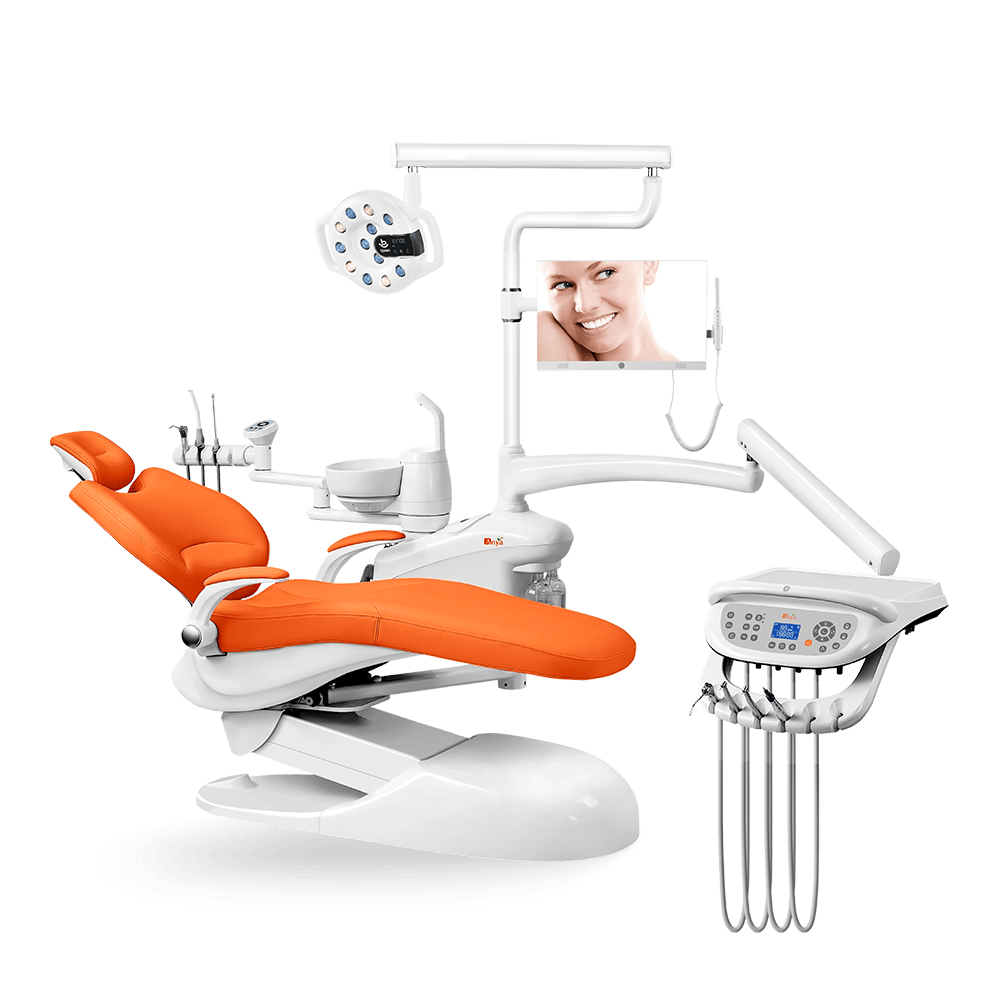
A mobile dental chair setup is a portable or transportable care arrangement built around patient positioning, delivery support, suction, air, lighting, storage, transport, and site workflow. It can help outreach programs reach off-site locations, but it is not the same as a permanent operatory. Buyers should define the service model, site limits, clinical review needs, and equipment categories before choosing a chair or supporting devices.
This guide is for clinic owners, outreach program planners, dealers, and buyers comparing mobile or temporary dental setups. It links to Anyamedical dental chair units, broader equipment browsing in the shop, and planning guides for dental chair suction integration and dental air compressors. Do not treat this article as a regulatory or clinical procedure guide; local requirements should be reviewed by responsible professionals.
If you are choosing vendors for a mobile or fixed clinic project, compare dental chair brands and suppliers before sending a dental chair RFQ template with chair, suction, air, lighting, transport and support requirements.
What a Mobile Dental Chair Setup Usually Includes
A mobile setup usually starts with a patient positioning solution, then adds whatever delivery support, suction, compressed air, lighting, storage, and transport process the service model requires. The exact package depends on the site, procedure mix, clinical team, and local requirements.
For some programs, the setup may be used for screening, education, triage, preventive care support, or temporary services. For others, a fixed operatory may remain the better choice because it gives more control over space, utilities, ergonomics, and storage.
Buyers should write down what the mobile dental chair setup must do and what it should not be expected to do. This prevents a portable equipment list from becoming a vague promise. A clear service model also helps the supplier discuss chair categories, suction, air, light, and storage without guessing the intended workflow.
Where Mobile and Outreach Setups Work Best
Mobile and outreach setups can be useful when access matters more than permanent room control. Community programs, schools, senior care facilities, and temporary clinics may need equipment that can be transported and assembled repeatedly. In those situations, the buying question is not only “what chair should we buy?” It is “what workflow can our team repeat safely and consistently at each site?”
A fixed clinic chair is still the stronger choice when the service needs a full permanent operatory, stable utilities, broad storage, and predictable room control. Outreach equipment should be planned around its limits rather than described as a universal replacement.
Key Limits Buyers Should Plan Around
Space changes from site to site. A room that looks acceptable when empty may become crowded once the chair, operator stool, suction, compressor, light, consumables, waste handling, and patient path are added. Buyers should map the full setup, not just the chair footprint.
Power, air, and suction planning are core decisions. Ask whether these will be built into the setup, supplied separately, or provided by other equipment. The dental chair air and water line planning guide can help buyers think through utility questions, but mobile sites still need local review.
Clean and used item flow should also be planned. Outreach spaces are often smaller and less predictable than fixed rooms, so instrument movement, consumable storage, waste handling, and cleanup sequence should be defined before purchase.
Transport is another limit. Buyers should think through where equipment is stored between visits, who loads it, what route it takes from vehicle to room, how components are protected, and what must be checked before leaving the site. These are operational questions, not product specifications, but they decide whether the setup is realistic for repeated use.
Fixed Clinic Chair vs Mobile Setup vs Temporary Operatory
| Factor | Fixed clinic chair | Mobile or outreach setup | Temporary operatory |
|---|---|---|---|
| Best use | Permanent clinic workflow. | Repeated off-site visits or outreach access. | Short-term expansion or event-based care. |
| Setup effort | Low after installation. | Repeated setup, teardown, and packing. | Moderate and site-dependent. |
| Space control | High when the room is built around the chair. | Variable from site to site. | Medium, depending on the room. |
| Utilities | Planned into the room. | Must be checked for each operating site. | May use temporary support systems. |
| Main buyer risk | Installation planning errors. | Workflow mismatch and under-planned support equipment. | Site limits and logistics. |
Delivery, Suction, Air, and Lighting
Delivery style should match transport and room workflow. Cart delivery may add flexibility in some outreach settings, while chair-mounted delivery may reduce separate components in other setups. Compare the practical tradeoffs in the cart delivery vs chair-mounted delivery guide before assuming one style is better.
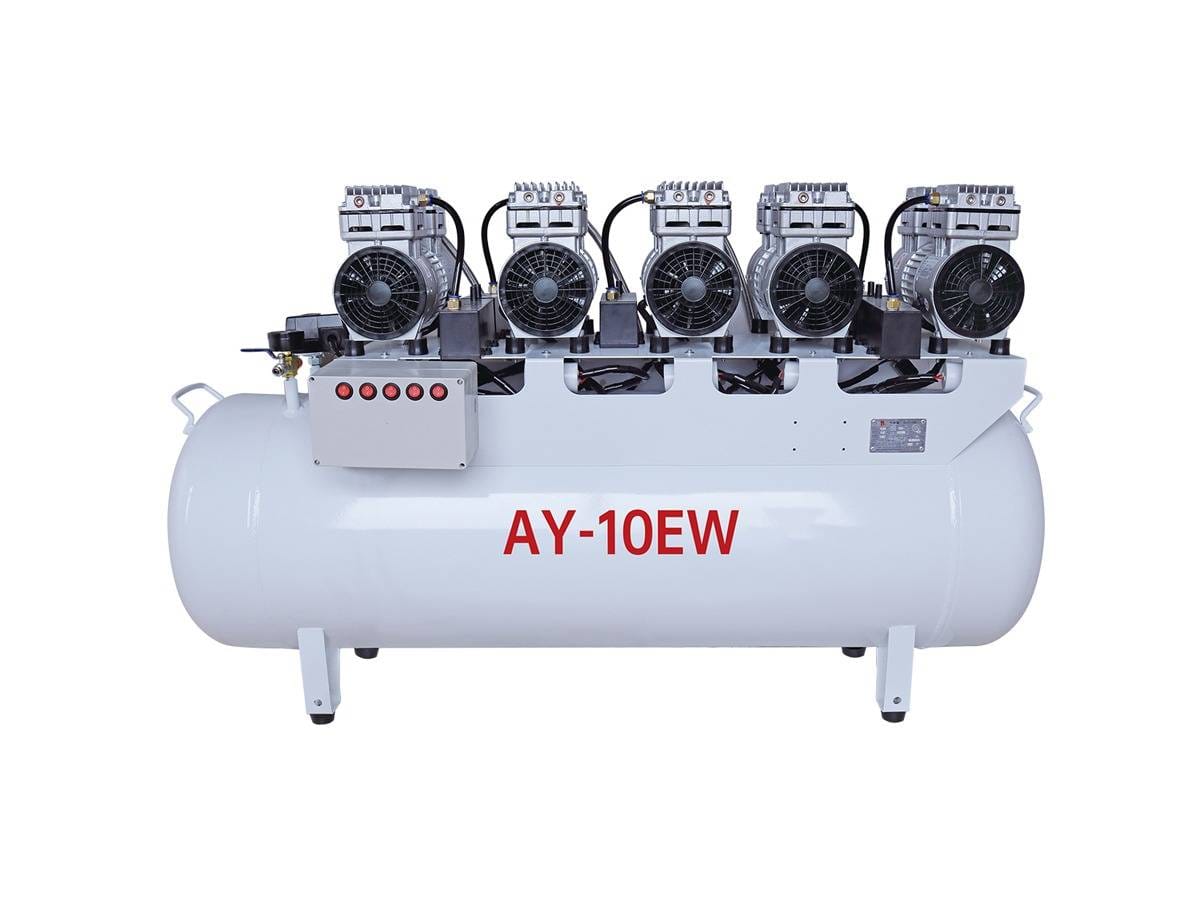
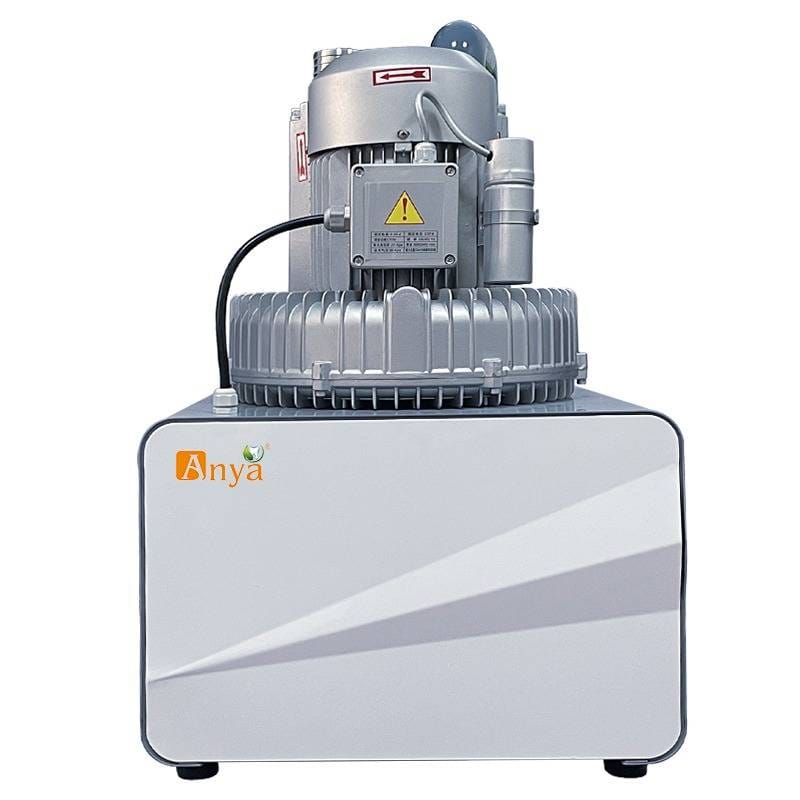
Suction and compressed air should be discussed separately with the supplier because they often decide what the setup can realistically support. Lighting should be checked as part of the room or site plan, especially when the outreach location has variable room lighting.
Site Review Before the First Visit
A site review should happen before the first outreach visit whenever possible. Confirm the entry path, room access, available surfaces, patient flow, hand hygiene location, lighting conditions, waste handling plan, and where equipment can be staged without blocking people. The review should also identify what questions need local professional guidance.
If the program visits multiple sites, use the most difficult site as the planning test. A setup that only works in the easiest room may cause repeated problems elsewhere. Document the constraints clearly and ask the supplier which equipment categories should be discussed for those constraints.
Buyer Checklist Before Purchasing
- Define the service model: screening, outreach visits, temporary clinic, or mobile dental service.
- List expected procedures and confirm equipment needs with qualified clinical and compliance personnel.
- Map patient flow, access, lighting, hand hygiene, storage, and waste handling at likely sites.
- Decide how suction and compressed air will be provided.
- Plan clean items, used items, consumables, and waste movement.
- Review transport, packing sequence, loading path, and storage.
- Ask which chair, delivery, suction, air, and lighting categories are available for discussion.
- Confirm after-sales communication, documents, replacement parts process, and compatibility questions before purchase.
Common Mistakes
The most common mistake is buying the chair first and treating suction, air, lighting, storage, and workflow as later details. Another is assuming that portable automatically means simple in every location. Portability still needs transport planning, setup sequence, cleaning flow, and staff practice.
Buyers should also avoid using generic product photos as a substitute for site review. A mobile setup that works in one room may feel crowded in another. If a program repeats visits at several sites, document the most difficult site and plan around that reality.
A final mistake is failing to assign responsibility. Someone should own the equipment checklist, packing list, setup sequence, used-item route, and post-visit inspection. Without that owner, small missing items can turn into repeated delays.
How to Discuss Your Setup With a Supplier
Send the supplier your service model, typical site photos, available utility assumptions, expected equipment categories, storage needs, and transport constraints. Ask which questions still need local clinical or regulatory review. A careful discussion is more useful than a broad promise that one setup can do everything.
For outreach buyers, the best equipment conversation is practical: what needs to be moved, what needs to be connected, what needs to be cleaned, and what should be confirmed before ordering.
FAQ
What is a mobile dental chair setup?
It is a portable or transportable dental care arrangement planned around patient positioning, delivery support, suction, air, lighting, storage, and site workflow.
Is it the same as a full dental operatory?
Not usually. A fixed operatory gives more control over space, utilities, ergonomics, and storage. Mobile setups need more planning around limits.
What equipment should be planned with the chair?
Buyers commonly consider delivery style, suction, compressed air, lighting, handpiece support, storage, transport, and cleaning workflow.
Can mobile setups support every procedure?
No universal claim should be made. Capability depends on equipment, clinical team, site conditions, and applicable requirements.
What is the biggest buying risk?
The biggest risk is choosing equipment before defining the real operating environment, including space, utilities, transport, cleaning workflow, and team ergonomics.
Planning a mobile or outreach dental chair setup? Contact Anya Medical through the contact page with your service model, equipment list, site constraints, and workflow questions.