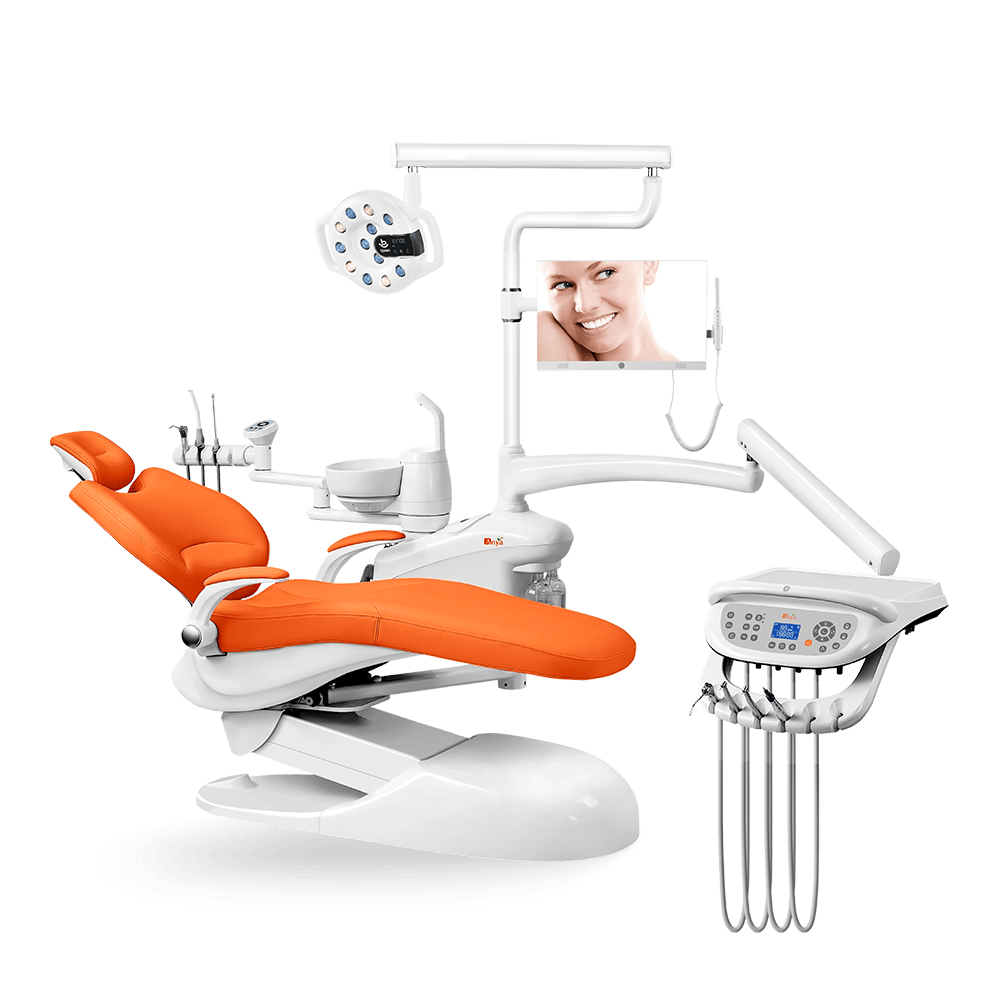

Hydraulic systems remain common in dental chairs because they can provide stable lifting, controlled reclining, and smooth positioning when pumps, valves, cylinders, seals, linkages, and controls are maintained correctly. Buyers should evaluate hydraulic chairs through documentation, service access, movement quality, and parts availability rather than marketing claims about noise, savings, or automatic maintenance.
Compare this guide with the electric motor dental chair guide, dental chair repair and maintenance guide, spare parts availability guide, dental chair unit category, and warranty terms checklist.

How a Dental Chair Hydraulic System Works
A hydraulic dental chair uses a pump to move fluid through valves and cylinders. The system converts fluid pressure into controlled chair movement. In daily use, the buyer usually sees the result: seat lifting, backrest movement, patient positioning, and stopping accuracy. The quality of those movements depends on the design, assembly, lubrication, seals, load condition, and service history.
| Component | Buyer Check | Why It Matters |
|---|---|---|
| Pump | Noise level, duty cycle, heat, service access, replacement availability | A weak or inaccessible pump can raise service time and downtime risk |
| Cylinder | Movement smoothness, visible leakage, load rating, seal availability | Cylinders affect patient stability and long-term service cost |
| Valves | Response consistency, service procedure, contamination control | Valve problems often show up as jerky or delayed movement |
| Fluid and seals | Manual guidance, inspection interval, leak response, replacement parts | Fluid and seal issues can become safety and cleanliness concerns |
| Controls | Foot control, keypad, emergency stop, memory positions where supported | Control behavior affects workflow and service diagnostics |
Hydraulic vs Electric Chair Movement
Hydraulic and electric chair systems can both be suitable. Hydraulic systems are often valued for lifting force and familiar service routines. Electric motor systems may simplify some movement assemblies and reduce hydraulic-fluid concerns. The better choice depends on clinic workflow, local technician experience, spare-parts availability, budget, room layout, and the exact model documentation.
When comparing Anya Medical models such as the AY-A6000 dental chair or AY-A8000 dental unit, ask which movements are hydraulic, electric, or assisted by another mechanism. Do not assume that every model uses the same drive system.
Maintenance Checks Clinics Can Plan
- Check the chair manual for approved inspection intervals, lubricants, and service procedures.
- Record unusual sounds, slow movement, drifting, uneven lifting, leaks, or repeated control faults.
- Keep the area around the base clear so leaks, loose covers, or cable issues can be noticed early.
- Do not open hydraulic, electrical, or control housings without qualified service support.
- Keep warranty records, service notes, spare-parts references, and installation documents together.
Procurement Questions Before Ordering
- Which movement system is used for the seat, backrest, and delivery components?
- What load rating and movement tests are documented for the selected model?
- Which pump, cylinder, valve, seal, and control parts are stocked for replacement?
- What symptoms require the clinic to stop using the chair and call service?
- Who will provide local installation, maintenance, and repair support after delivery?
Conclusion
A dental chair hydraulic system should be judged by smooth movement, safe stopping, service access, spare parts, documentation, and technician support. Use supplier claims as starting points for questions, not as substitutes for model-specific documents.