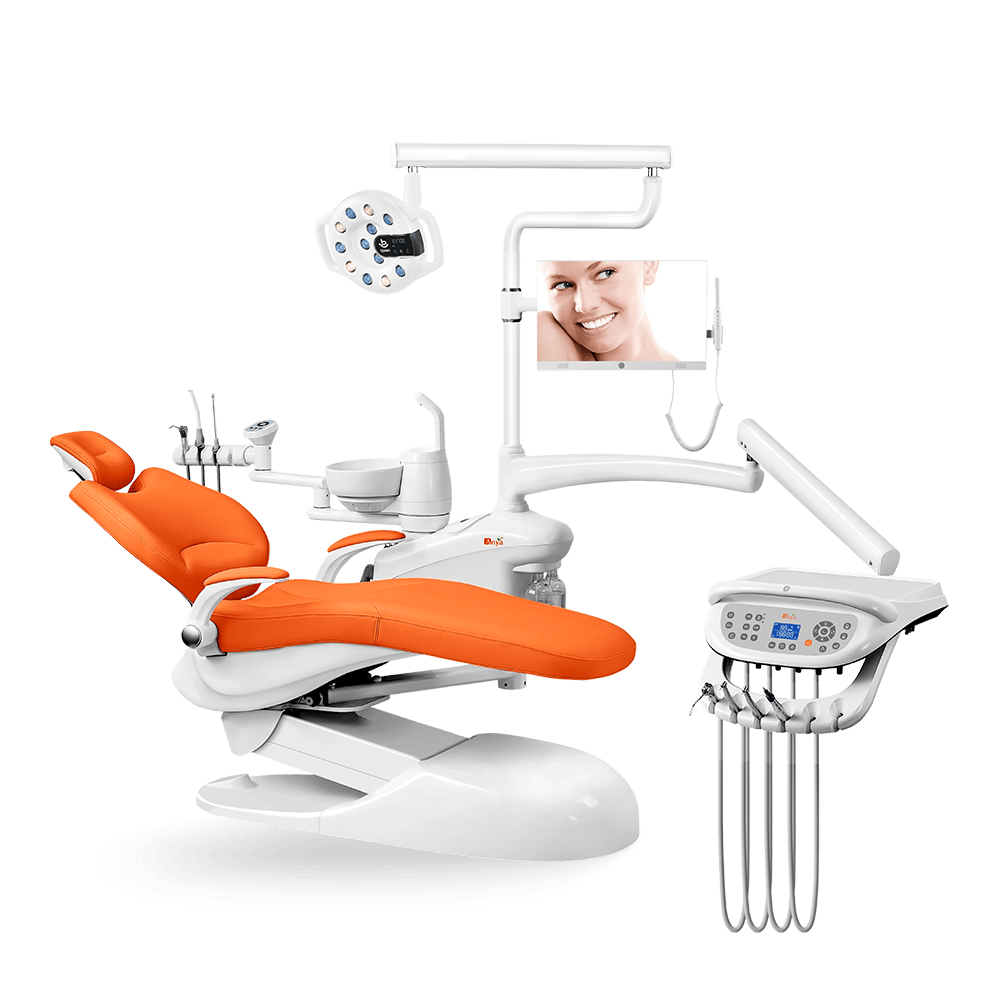
A dental chair service manual is most useful when it supports the exact chair model, configuration, installation handover, parts identification, service records, and escalation workflow. For distributors and dealers, the goal is not to collect a generic PDF or publish repair instructions. The goal is to build a controlled support package that helps sales teams, service managers, technicians, and clinic customers communicate clearly about the installed chair.
Pair this manual package with the technical support guide, spare parts availability guide, dealer spare parts stock plan, warranty terms checklist, and pre-shipment inspection checklist.
This guide is for dental equipment distributors, dealers, service managers, and after-sales teams that represent dental chair lines. It explains what documentation and training to request before selling or installing chairs, without making warranty, repair-speed, parts, or certification claims. To connect documentation with product selection, review Anya’s dental chair units and the dental chair product line for dealers guide.
What Distributors Should Request
A useful manual package should match the quoted model and configuration. If a chair is ordered with a particular delivery system, assistant unit, control option, voltage assumption, upholstery choice, or accessory package, the dealer should know which documents apply to that setup. Similar-looking chairs can differ by controls, parts, utility requirements, or production revision.
Before representing a chair line, ask the supplier what user-facing documents, installation handover documents, parts documents, troubleshooting intake guidance, and revision-control notes are available. Keep those documents in a controlled folder rather than forwarding loose files through chat threads. The more organized the dealer’s documentation is, the easier it is to support clinics without guessing.
Why Manuals and Training Matter for Dealer Teams
Manuals and training help distributors reduce confusion across sales, installation, spare parts, and after-sales communication. Sales teams need to understand what is included and excluded. Installation coordinators need a handover checklist. Service managers need model and serial records. Technicians need parts identification and safe escalation boundaries. Customer support teams need a clear intake process.
Good documentation does not replace qualified installation or service work. It creates a shared language for the dealer, clinic, local technician, and supplier. When an issue appears, the team can collect the right evidence, confirm model details, identify the affected part category, and decide whether the case belongs to local service, supplier support, or qualified technical escalation.
Distributor Manual Package Checklist
| Check area | What to request | Why it matters |
|---|---|---|
| Exact model match | Manual package for the quoted chair model and configuration. | Prevents using documents from a similar but different chair. |
| Installation handover | Setup checklist, utility notes, accessory confirmation, and basic operation handover. | Helps dealers coordinate clinic delivery without inventing installation scope. |
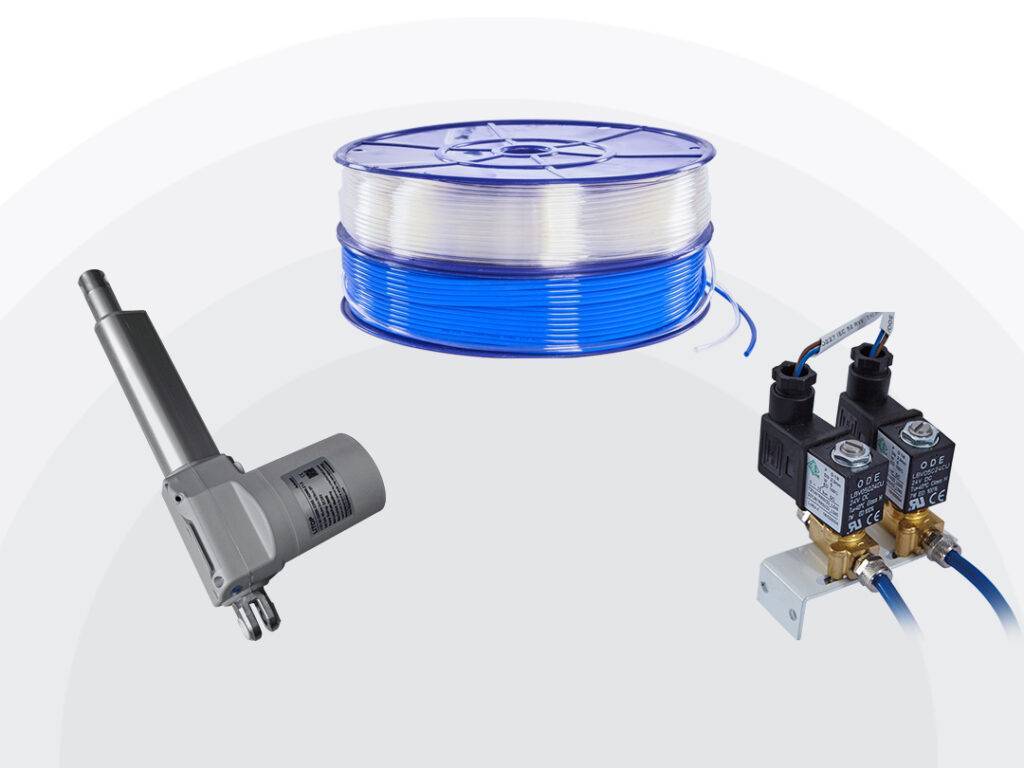
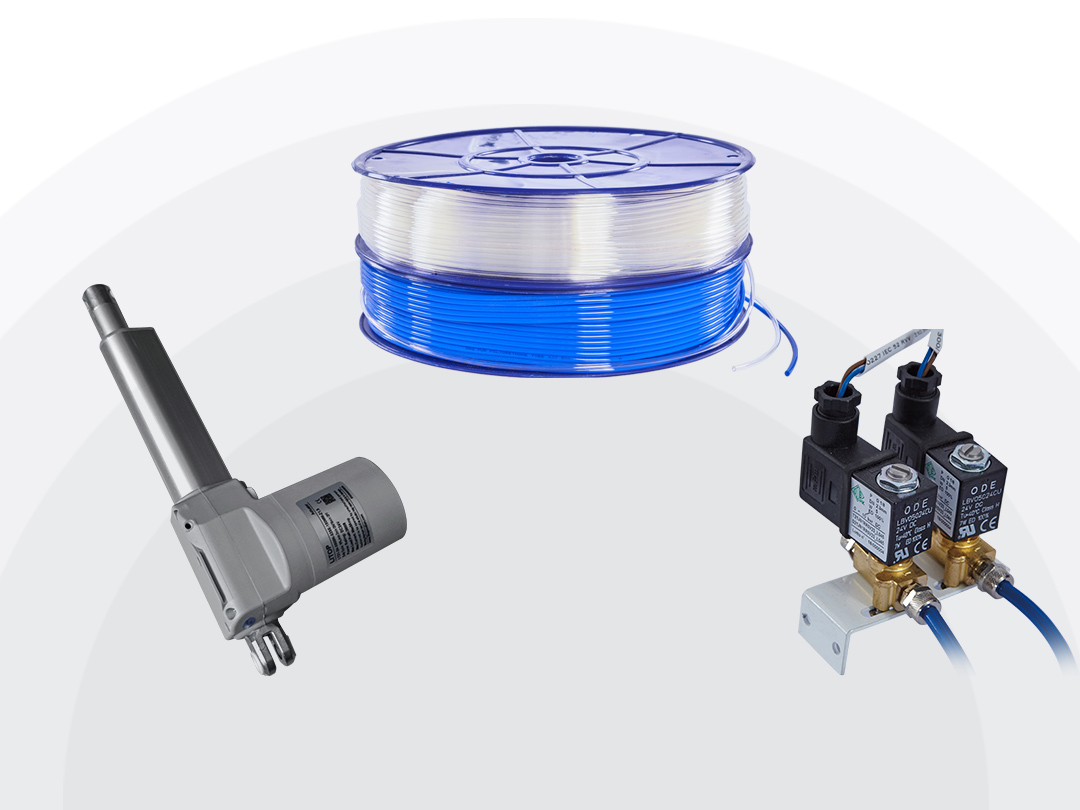
| Parts identification | Parts list, diagrams, part codes, photos, and compatibility notes where available. | Reduces wrong-part ordering and unclear technician requests. |
| Troubleshooting workflow | Symptom intake form, photo or video evidence requirements, and escalation path. | Keeps support structured without unsafe repair advice. |
| Document version control | Manual date, revision number, model coverage, and language version. | Helps teams avoid outdated or mismatched files. |
| Training scope | Topics covered, audience, format, and prerequisites. | Separates sales orientation from technician and service training. |
| Service records | Model, serial number, installation date, service notes, part used, and resolution record. | Builds traceable after-sales documentation. |
| Escalation boundary | Which issues should go to manufacturer support or qualified local professionals. | Avoids unsafe clinical, electrical, structural, or utility-related repair guidance. |
| Spare parts connection | Recommended part categories for local spare parts planning. | Connects manual use to practical after-sales support. |
| Customer handover | User-facing operation and maintenance guidance within safe boundaries. | Helps clinics understand normal use and support channels. |
What a Distributor Manual Package Should Include
The package should include more than a user manual. Distributors should ask for operation guidance, installation handover notes, product configuration references, parts identification support, troubleshooting intake guidance, and document-control information. If documents are translated, the dealer should know which language version is current and which model it covers.
Spare parts should be part of the manual conversation. Review dental chair spare parts availability and dealer spare parts stock before building the service plan. A parts list is only useful if it can be tied to model, version, configuration, and real service records.

Training Matrix for Dental Chair Dealer Teams
| Training module | Audience | Focus | Evidence or output |
|---|---|---|---|
| Product orientation | Sales teams, service managers, dealer owners. | Model range, configuration logic, included and excluded items. | Product line notes and configuration sheet. |
| Installation readiness | Service managers and installation coordinators. | Room readiness, utilities, delivery access, and handover checklist. | Site-prep checklist and installation record. |
| Safe troubleshooting intake | After-sales teams and technicians. | Symptom collection, photos or videos, serial number, and configuration check. | Standard support intake form. |
| Parts identification | Technicians and parts coordinators. | Diagrams, part codes, compatibility, and revision notes. | Parts request record with model match. |
| Dealer inventory planning | Service managers and warehouse teams. | Common replacement categories, reorder triggers, and installed-base needs. | Dealer spare-parts worksheet. |
| Documentation control | Service managers and admin teams. | Manual versioning, installed-base records, and file naming. | Controlled dealer document folder. |
| Escalation workflow | Technicians and service managers. | When to stop, document, and escalate to supplier or qualified personnel. | Escalation note with evidence attached. |
| Customer handover | Dealer service team and clinic contact. | Basic operation, cleaning boundaries, maintenance reminders, and support route. | Signed handover checklist. |
Documentation Control for the Installed Base
Manuals should be tied to installed chairs. Keep records for model, serial number, configuration, delivery date, installation notes, document version, service notes, photos, part requests, and resolution summaries. If a dealer serves multiple markets, a consistent record format makes support easier across teams and languages.
Documentation control also helps the dealer ask better questions before buying. Use dental chair quality control tests to understand how factory checks and service records can connect, and use dental chair supplier questions when discussing manual access, training scope, spare parts, and technical support before a trial order.
When to Escalate Instead of Repairing
A manual should not encourage unqualified repair. If an issue involves electrical systems, control boards, safety-related movement, structural instability, utility connections, abnormal leakage, or unclear symptoms, the dealer should document the case and escalate through the agreed support route. Qualified local professionals should handle site utilities and safety-sensitive work.
Installation problems should also be separated from product questions. The dental chair installation cost guide can help dealers and clinics understand why site preparation, utility connection, unloading, testing, and handover need clear responsibility. For cross-time-zone support process design, link this manual package to the sibling guide on dental chair technical support.
Common Mistakes With Manuals and Training
- Using a generic manual that does not match the exact chair model or configuration.
- Treating a manual as a substitute for qualified installation or service training.
- Promising coverage, service timing, or part supply that is not written into supplier terms.
- Letting technicians identify parts by informal names instead of part codes, photos, and compatibility notes.
- Mixing old and new manual versions without document control.
- Giving clinics repair instructions for electrical, control, movement, or utility-related issues.
- Training only the sales team while leaving after-sales staff without a support workflow.
- Failing to record serial numbers, configuration, service evidence, and resolution notes.
FAQ
What should a dental chair service manual include?
It should include model-specific operation guidance, installation handover information, parts identification support, troubleshooting workflow, safety boundaries, and document revision details.
Can distributors use one manual for multiple chair models?
Only if the supplier confirms model coverage. Similar chairs may differ by configuration, controls, parts, voltage, or production revision.
Should dealer technicians receive training before selling a chair line?
Yes. Training should cover product orientation, installation readiness, parts identification, safe troubleshooting intake, escalation, and service records.
Does a service manual replace local qualified repair work?
No. Manuals help structure support, but electrical, safety-related, structural, utility, or unclear issues should be handled by qualified personnel and manufacturer guidance.
How should distributors manage manual updates?
Keep a controlled folder by model, revision, language, and date. Link manuals to installed-chair records and remove outdated files from daily use.
What should dealers send when asking for technical support?
Send the model, serial number, configuration, photos or videos, symptom description, installation record, part code if known, and previous service notes.
For repair symptoms and safe first checks, use the dental chair repair and maintenance guide. This page focuses on service documentation, training, and after-sales support rather than step-by-step repair instructions.
Need model-specific dental chair manuals or dealer training support? Contact Anya Medical with your target model, configuration, and after-sales questions.